Reference
What Is Neutral Protease? Industrial Enzyme Overview
A technical buyer’s guide to Neutral Protease: how it works, where it is used, process conditions, dosage planning, stability, quality expectations, and procurement considerations.
Reference
A technical buyer’s guide to Neutral Protease: how it works, where it is used, process conditions, dosage planning, stability, quality expectations, and procurement considerations.
Neutral Protease, also called Neutral Proteinase, is a proteolytic enzyme that hydrolyzes protein into smaller peptides under near-neutral processing conditions. For industrial buyers, its value is not simply that it “breaks down protein.” Its value is control: controlled hydrolysis, controlled texture change, controlled peptide generation, and reduced need for aggressive pH adjustment.
Aequion positions Neutral Protease as a practical enzyme platform for formulators and process engineers who need protein modification without pushing the process into strongly acidic or alkaline territory.
Neutral Protease catalyzes the cleavage of peptide bonds in proteins, typically performing best around mildly acidic to mildly alkaline conditions, with a practical operating center near neutral pH. In production terms, that means it can often be integrated into existing water-based, protein-containing processes with fewer process disruptions than proteases that require more extreme pH windows.
It is commonly used when the goal is to:
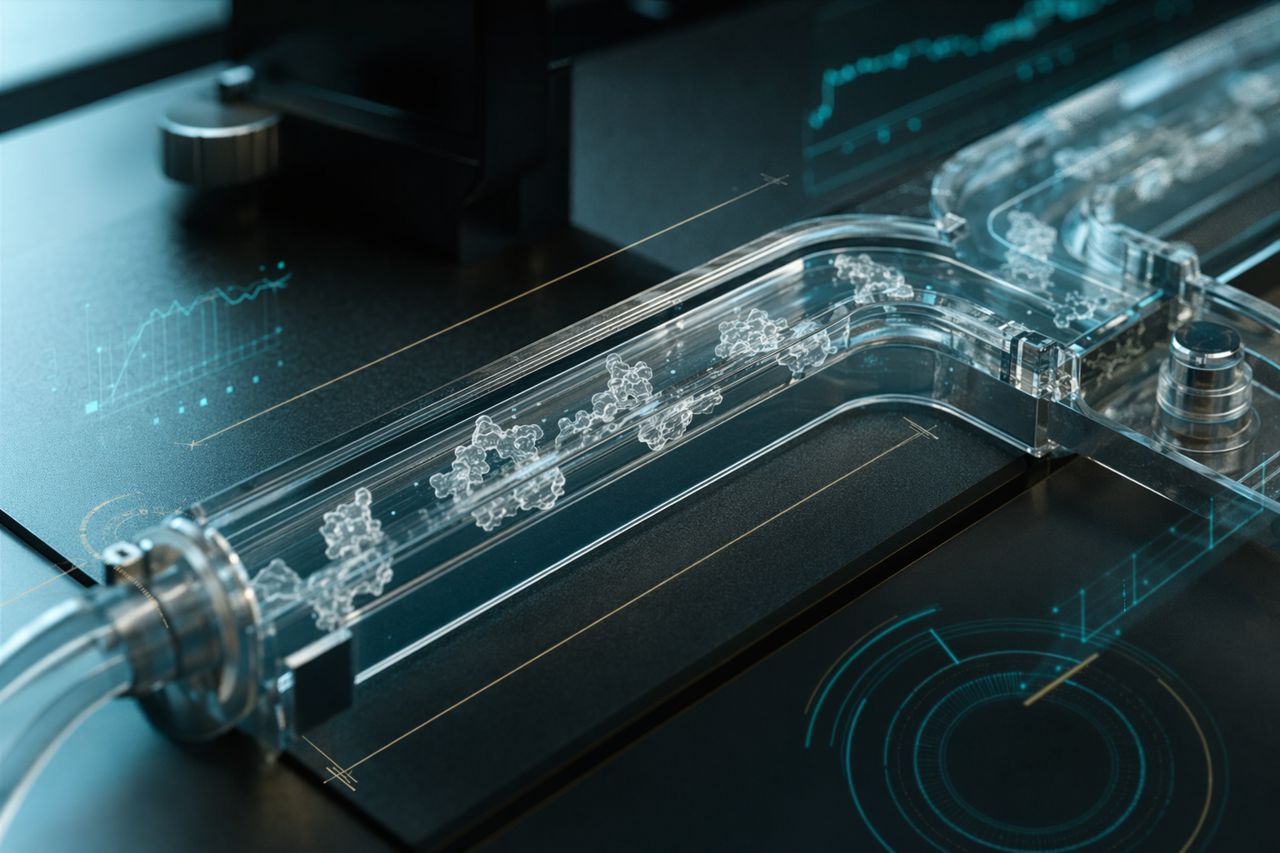
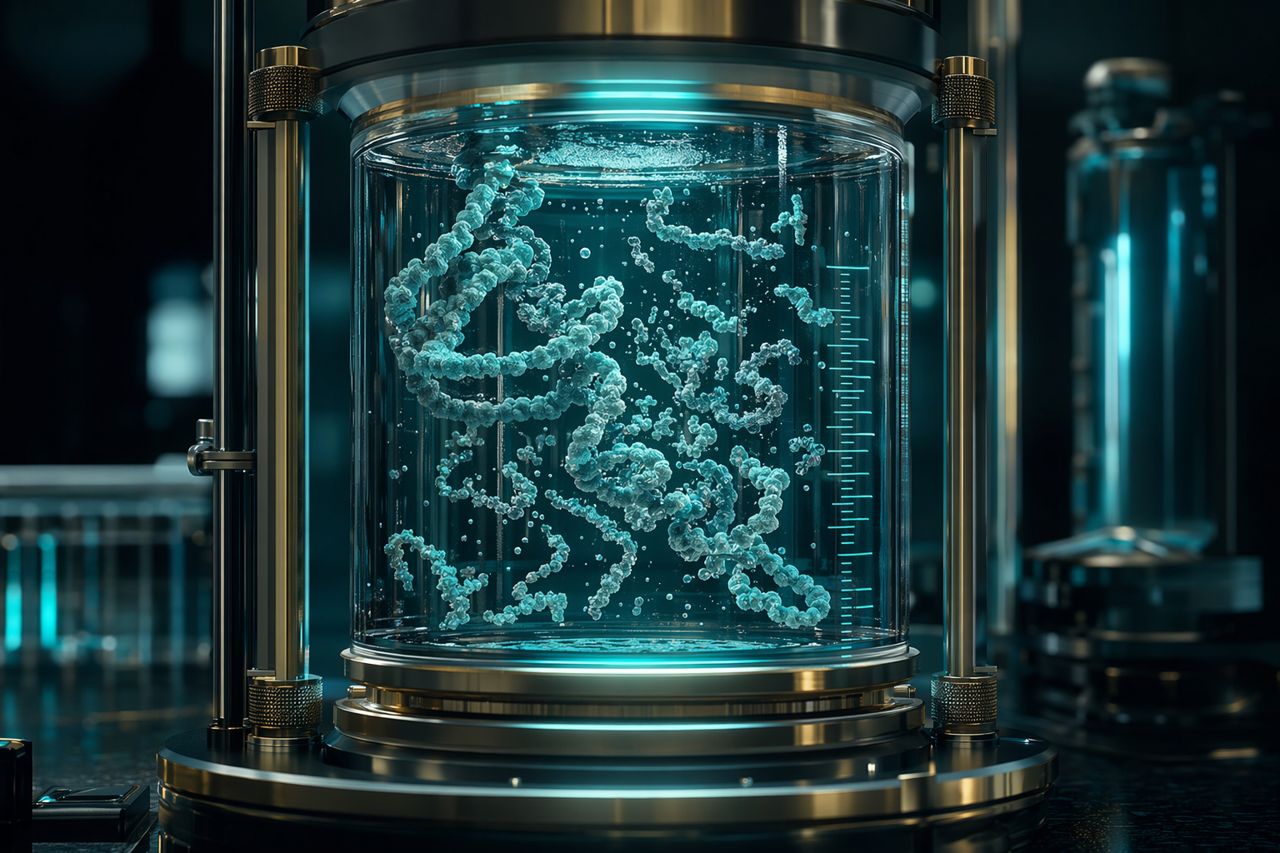
Proteins are folded chains of amino acids held together by peptide bonds and structural interactions. Neutral Protease acts on accessible peptide bonds, converting large protein structures into smaller peptide fragments.
In practice, hydrolysis behavior depends on four main variables:
The buyer’s question is not “Does it hydrolyze protein?” The better question is: Can the grade deliver the peptide profile, process speed, and stability your line requires?
Neutral Protease is widely used to convert animal, marine, dairy, microbial, and plant proteins into soluble peptide fractions. It is selected when processors need efficient hydrolysis while maintaining a moderate pH environment.
Common objectives include:
In food-related processes, Neutral Protease may be used to modify texture, reduce protein haze, improve extraction yield, or create savory peptide fractions. Its near-neutral profile can be useful where aggressive pH swings would damage flavor, color, or product functionality.
Examples include:
Final suitability depends on the selected grade, regulatory target market, carrier system, and process validation.
Neutral Protease can help reduce protein-related instability in certain liquid systems. When applied correctly, it may reduce haze-forming protein fractions and support clarification. It should be evaluated carefully because excessive hydrolysis can affect mouthfeel, foam, or sensory profile.
For feed and pet nutrition applications, Neutral Protease is used to support protein digestibility and improve the functional value of protein-containing raw materials. Selection criteria usually include thermal exposure, compatibility with other additives, substrate range, and stability during premix or processing.
Neutral Protease can be applied in selected technical processes where protein removal or surface modification is required under moderate pH conditions. It is often considered when processors want controlled action with less harsh chemistry.
Neutral Protease is process-sensitive. A grade that performs well in one substrate may be inefficient in another. Before procurement, review the process window against your actual line conditions.
Neutral Protease is generally selected for systems operating around neutral conditions. If your process runs consistently outside that range, confirm whether the grade can tolerate short exposure or whether pH correction is needed before dosing.
Temperature affects both reaction speed and enzyme life. Moderate heat often improves hydrolysis rate, while excessive heat causes performance loss. Buyers should validate the grade at the real process temperature, not only under ideal laboratory conditions.
Short residence processes require faster hydrolysis and stronger mixing. Batch processes allow more flexibility, because dosage and hold time can be adjusted together. Define the required hydrolysis endpoint before choosing a grade.
Protease performance depends on contact. Dense slurries, high-fat matrices, insoluble proteins, and uneven hydration can reduce apparent efficiency. Pre-hydration, particle size reduction, or staged addition may improve consistency.
Exact dosage depends on substrate concentration, protein structure, target hydrolysis depth, processing time, temperature, and grade format. For first screening, Aequion recommends a small trial matrix rather than a single-point test.
A practical evaluation design:
For production scale-up, the selected dosage should be based on the lowest addition level that reliably reaches the required endpoint inside the available process time.
Neutral Protease does not know when your product is finished. Endpoint control is a process design responsibility.
Common control options include:
The correct strategy depends on whether continued hydrolysis would damage texture, flavor, viscosity, or protein functionality.
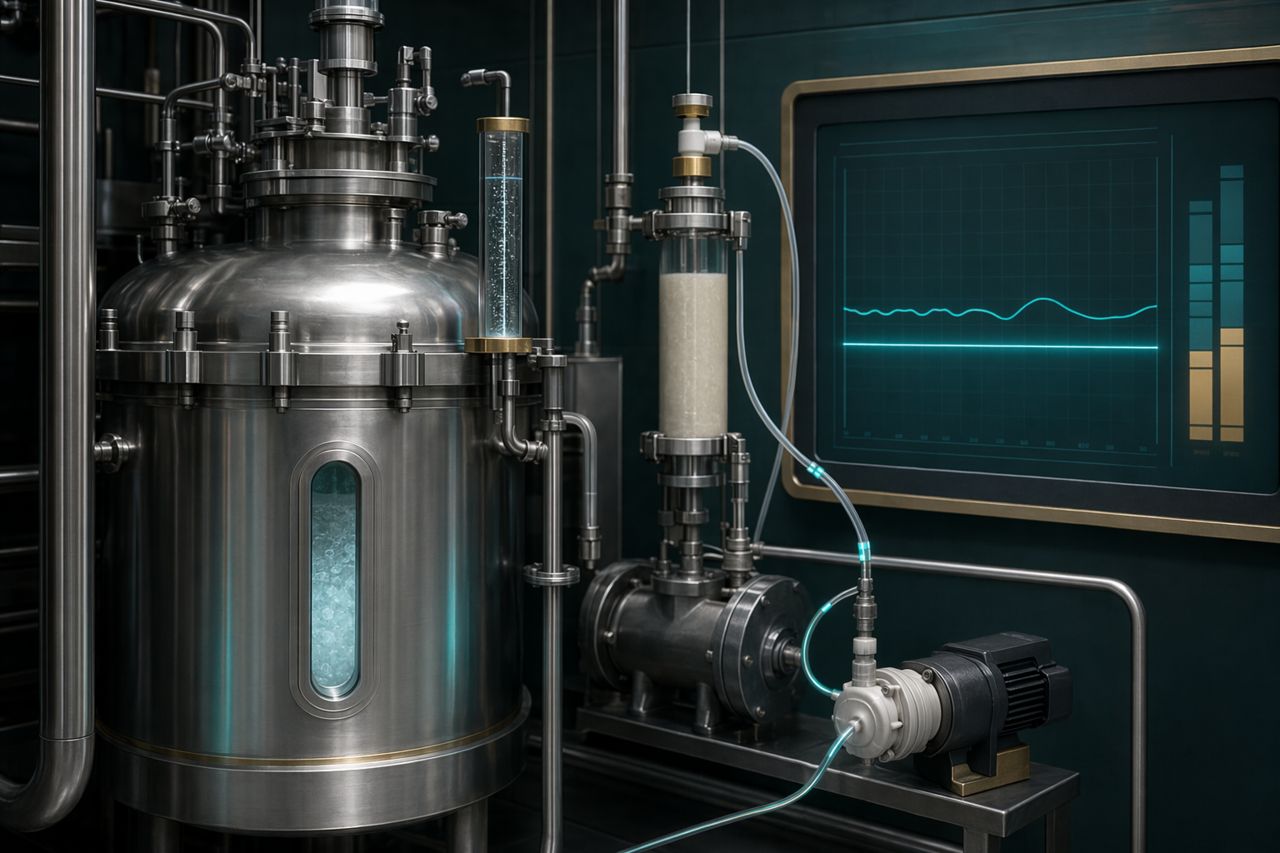
Neutral Protease may be supplied as a liquid or powder depending on application and handling requirements.
Liquid grades are often preferred when fast dispersion, automated dosing, and closed handling are priorities. They are useful for wet processes and continuous addition systems.
Powder grades can be useful where storage density, dry premix compatibility, or controlled addition into dry blends is required. Dust control, humidity exposure, and blend uniformity should be considered during handling.
Enzyme stability is affected by heat, moisture, oxidants, incompatible preservatives, extreme pH, and long exposure to reactive ingredients. Procurement teams should request storage guidance for the selected grade and confirm whether the format fits the site’s receiving, warehousing, and dosing infrastructure.
Practical checks include:
For B2B purchasing, Neutral Protease should be evaluated as a controlled industrial input, not a generic commodity. Useful documentation may include:
For regulated or food-adjacent applications, confirm documentation before sampling so technical success does not outpace compliance review.
Before requesting a sample or quotation, define the following:
A clear brief makes grade selection faster and reduces unnecessary trial cycles.
Too much proteolysis can create bitterness, loss of structure, excessive thinning, or poor texture. Use staged trials to identify the minimum effective dose.
Insufficient reaction can leave insoluble protein, high viscosity, filtration problems, or inconsistent functionality. Confirm mixing and substrate preparation before increasing dosage.
Strong oxidants, extreme pH, high heat, and certain preservatives can reduce enzyme performance. Add Neutral Protease at the step where it has the best contact and least chemical stress.
Lab beakers mix differently from industrial tanks. During scale-up, monitor agitation, addition point, heat-up time, hold time, and sampling method.
Neutral Protease is selected when protein modification must be effective but controlled. Its near-neutral operating profile can reduce pH correction, protect sensitive product attributes, and simplify integration into existing process lines.
For procurement teams, the decision should be based on application fit, documentation, handling format, supply reliability, and technical support. For formulation teams, the priority is reaction control: reaching the target endpoint without overshooting.
Share your substrate, process conditions, intended market, and preferred format. Aequion will respond with grade guidance, documentation availability, packaging options, and pricing aligned to your application.
Tell us your application and target volume — our team replies with pricing, lead time, and the current specification sheet.