Industrial-grade supplyMulti-application formulationBatch documentation on requestGlobal logistics, 180+ countries
01
Technical Overview
Neutral Protease Troubleshooting Guide
Neutral Protease, also called Neutral Proteinase, is selected when a process needs controlled protein hydrolysis near neutral pH without the sharper process impact of strongly acidic or alkaline proteases. When results drift, the cause is rarely one variable. Weak hydrolysis, bitterness, slow filtration, and inconsistent batches usually come from a stack of small deviations in substrate preparation, pH control, temperature profile, contact time, mixing, and enzyme stop conditions.
This guide is written for production, formulation, procurement, and quality teams using neutral protease in food processing, protein modification, brewing adjunct treatment, fermentation support, feed preparation, plant protein processing, and related industrial applications.
Embedded explainer video: Neutral protease troubleshooting in about one minute — weak hydrolysis, bitterness, filtration behavior, and batch consistency.
Fast diagnosis table
Symptom
Most likely causes
First corrective checks
Weak or slow hydrolysis
pH outside the effective neutral window, low contact time, cold substrate, poor dispersion, insufficient enzyme addition, high salt or inhibitor load
Confirm real in-tank pH and temperature, verify addition point, extend hold time, improve mixing, run a bench comparison with fresh retained enzyme
Excessive bitterness
Over-hydrolysis, excessive contact time, hot hold too long before deactivation, substrate prone to bitter peptide formation
Shorten reaction time, reduce addition level, stop earlier, blend with a different hydrolysis profile, validate sensory at multiple hydrolysis endpoints
Poor filtration or haze
Partial hydrolysis creating fine peptide-protein complexes, denatured protein load, fats or gums present, incomplete thermal stop, unsuitable solids removal sequence
Check pre-treatment, control heat history, add clarification step, adjust reaction endpoint, evaluate centrifugation or coarse removal before polishing filtration
Batch-to-batch variation
Variable substrate protein quality, inconsistent hydration, pH drift, dosing by volume instead of mass, mixing dead zones, lot transition without side-by-side check
Standardize substrate solids, dose by mass, record pH and temperature curves, qualify new enzyme lots against retained material
Process runs too aggressively
Enzyme added too early, residence time longer than planned, temperature above target, delayed deactivation
Add later, reduce hold time, tighten thermal stop, review transfer and waiting time between unit operations
Start with the process window, not the enzyme alone
Neutral protease performs best when the surrounding process is controlled. A good troubleshooting sequence is:
Confirm the real process pH in the vessel, not only the setpoint.
Confirm actual product temperature at the reaction zone.
Check when the enzyme is added relative to substrate hydration and mixing.
Verify contact time from enzyme addition to effective stop, including transfer delays.
Review substrate variability: protein source, prior heat treatment, moisture, salt, fat, and insoluble load.
Compare the current enzyme lot with a retained lot under the same bench conditions.
If those basics are not locked, increasing dosage may hide the issue temporarily while increasing cost, bitterness risk, and batch variation.
Symptom 1: weak hydrolysis or slow reaction
Weak hydrolysis usually means the enzyme is active but the process is not allowing enough productive contact with accessible protein.
Check pH drift under load
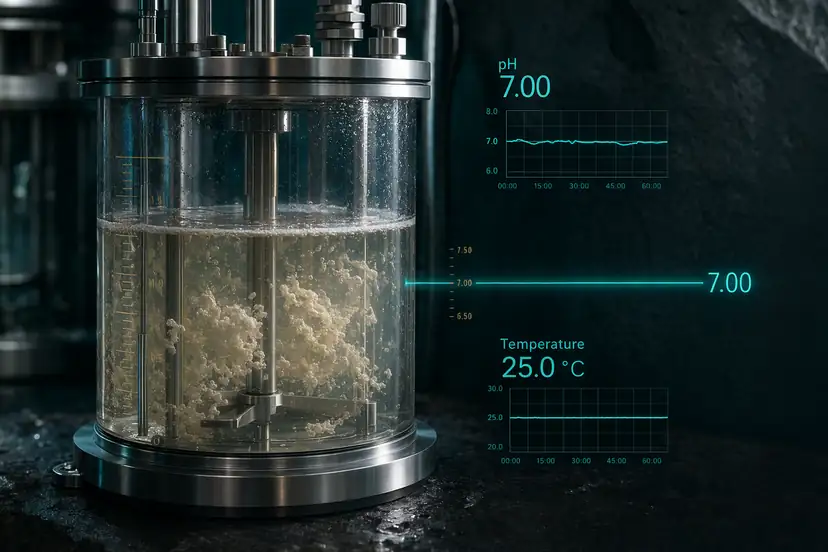
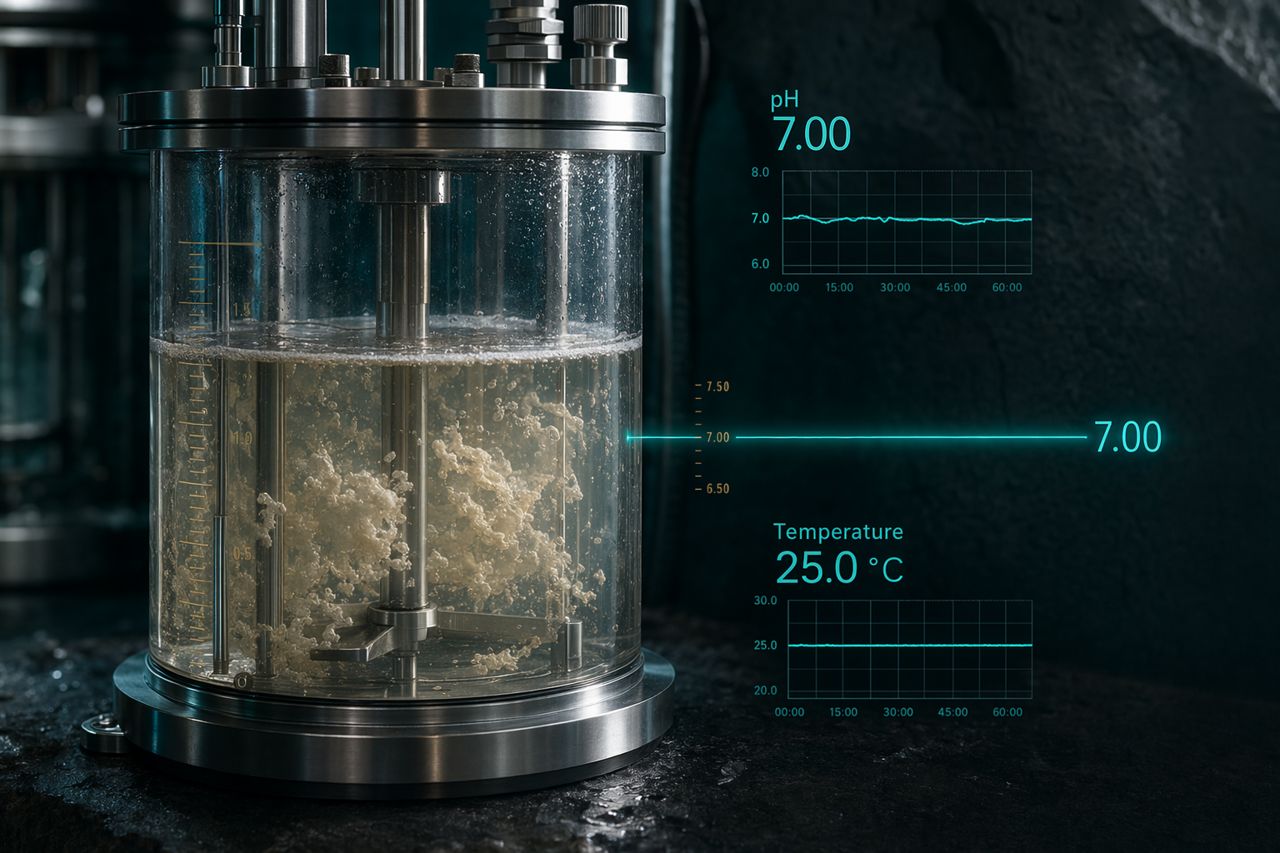
Neutral protease is designed for near-neutral operation, but protein slurries, buffers, salts, acids, alkaline residues, and fermentation components can shift pH after the batch is charged. Measure pH after the substrate is fully hydrated and again during the hold. A pH reading taken in water or before all ingredients are added can be misleading.
Check substrate accessibility
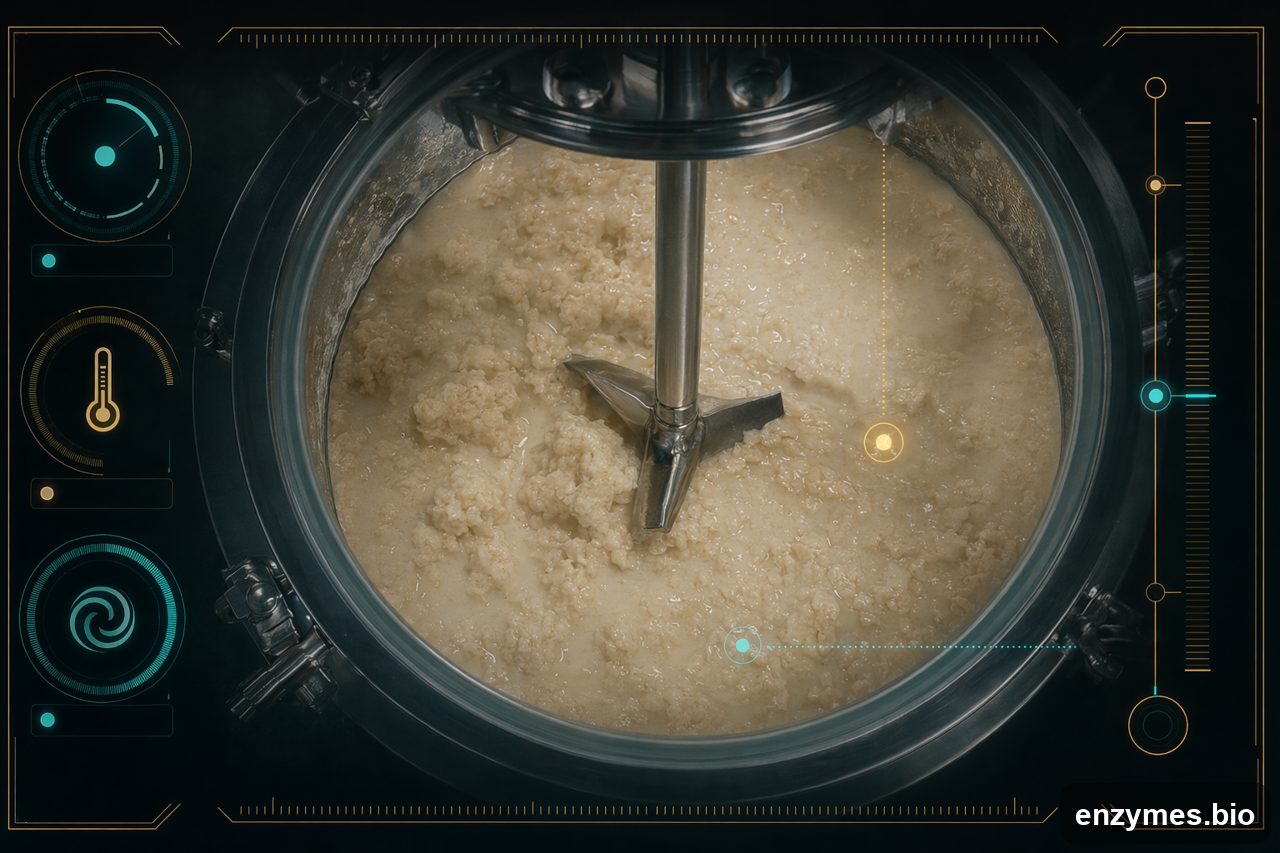
Neutral protease acts on accessible peptide bonds. Poor hydration, heavy denaturation, high insoluble solids, surface coatings, fats, gums, or compact plant protein particles can slow the apparent reaction. Improve hydration before enzyme addition and avoid adding the enzyme into dry pockets or unmixed concentrate.
Check temperature at the reaction zone
A vessel jacket setpoint does not guarantee substrate temperature. Cold feed, high solids, and slow agitation can create zones where reaction speed is lower. Verify temperature in the product mass and during ramp-up, not only at the jacket or outlet.
Check addition method
Add neutral protease only after the substrate is dispersed enough for uniform contact. For viscous systems, pre-dilution with process water can improve distribution. Avoid adding enzyme into a strong chemical concentrate, directly onto hot surfaces, or before pH adjustment is complete.
Practical dosage reset
For troubleshooting trials, run a small matrix rather than a single increased dose. A typical screen compares current addition, a reduced addition, and a higher addition while holding pH, temperature, solids, and time constant. Many formulation teams start bench work around 0.1–0.5% enzyme preparation by substrate mass, then refine around the target endpoint. Final dosage depends on substrate, contact time, and required hydrolysis profile.
Symptom 2: bitter notes after hydrolysis
Bitterness is usually linked to peptide profile, not simply to total protein breakdown. Neutral protease can generate clean, functional peptide segments, but over-processing or an unsuitable endpoint can expose hydrophobic peptides that read as bitter.
Reduce exposure before changing suppliers
First check whether the reaction is being stopped when the batch record says it is stopped. Heat-up lag, transfer time, waiting in a balance tank, or slow cooling can add meaningful enzyme exposure. If bitterness increased after a capacity change, larger tanks and slower transfers may be the cause.
Use endpoint control
Track sensory, solubility, viscosity, and filtration response across a time-course. The best endpoint is often before maximum hydrolysis. For beverage, seasoning, protein ingredient, and fermentation nutrient applications, the optimal endpoint is the one that balances solubility, mouthfeel, clarity, and taste.
Consider substrate contribution
Some substrates are more prone to bitter peptide release because of protein sequence, prior heat history, and co-extracted non-protein components. If bitterness appears only with one raw material source, test enzyme performance against multiple substrate lots before changing the process standard.
Symptom 3: filtration drag, haze, or sediment
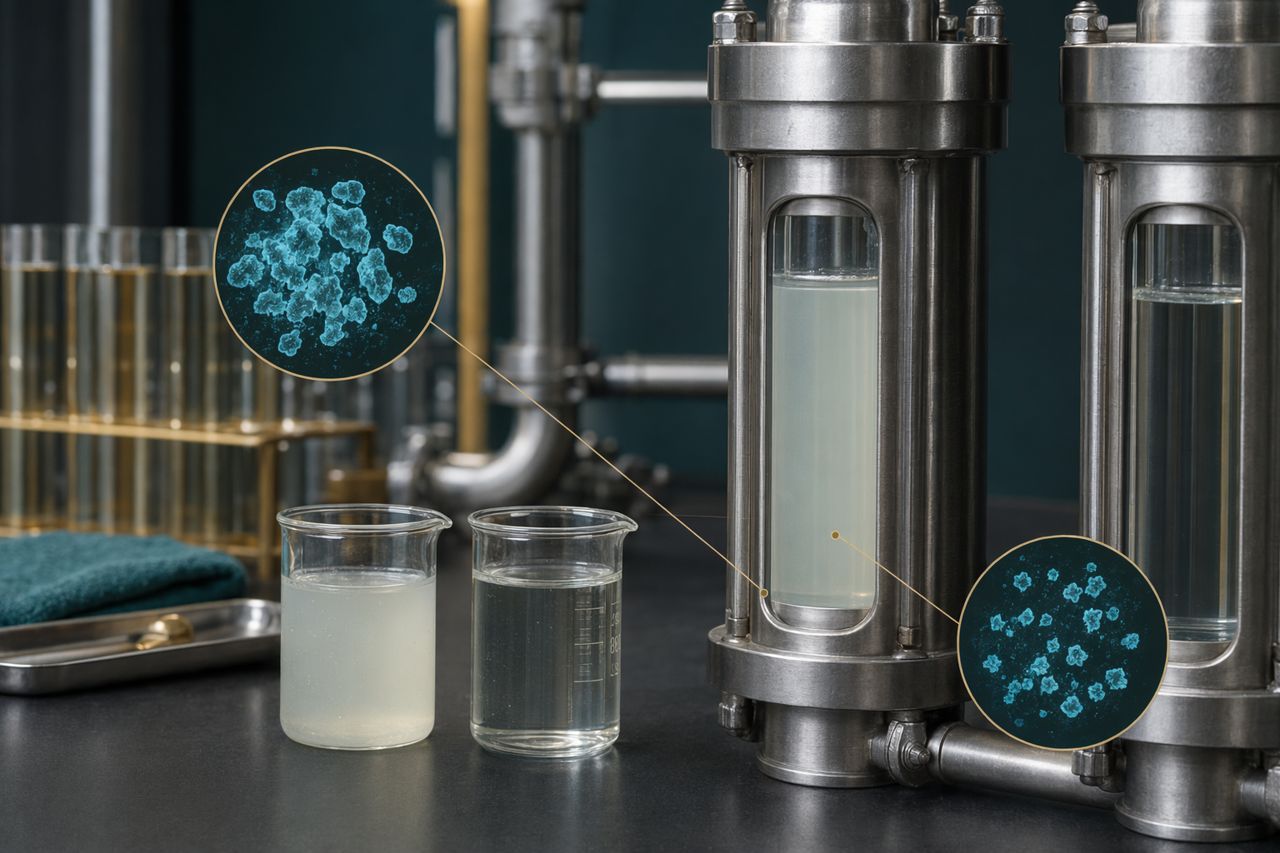
Hydrolysis can improve filtration by reducing large proteins, but partial hydrolysis can also create fines, complexes, or unstable colloids. Troubleshoot the whole clarification sequence.
Look upstream of the filter
Filter loading may be driven by insoluble substrate, denatured aggregates, fat, gum, starch, or mineral interactions rather than the protease itself. Check feed solids, particle size, and heat history before assuming the enzyme is the issue.
Avoid unstable partial endpoints
Some systems pass through a difficult middle zone: proteins are cut enough to disperse but not enough to stay soluble or pass cleanly. A time-course filtration test can show whether the process needs a shorter endpoint, longer endpoint, or a different clarification order.
Confirm the stop step
If the enzyme remains active during filtration or storage, peptide profile can continue changing. Validate that the selected heat or process stop is effective in the real matrix, including the coldest point and the shortest residence path.
Symptom 4: inconsistent batches
Batch inconsistency is often a control problem rather than an enzyme quality problem. Neutral protease is sensitive to how the process is staged.
Standardize what can be standardized
Dose by mass instead of volume where possible.
Record actual addition time, not just planned addition time.
Record pH and temperature curves through the full reaction.
Hydrate substrate consistently before enzyme addition.
Use the same mixing speed and fill level during validation and production.
Treat lot changes as technical events, not just inventory events.
Qualify enzyme lots with a retained reference
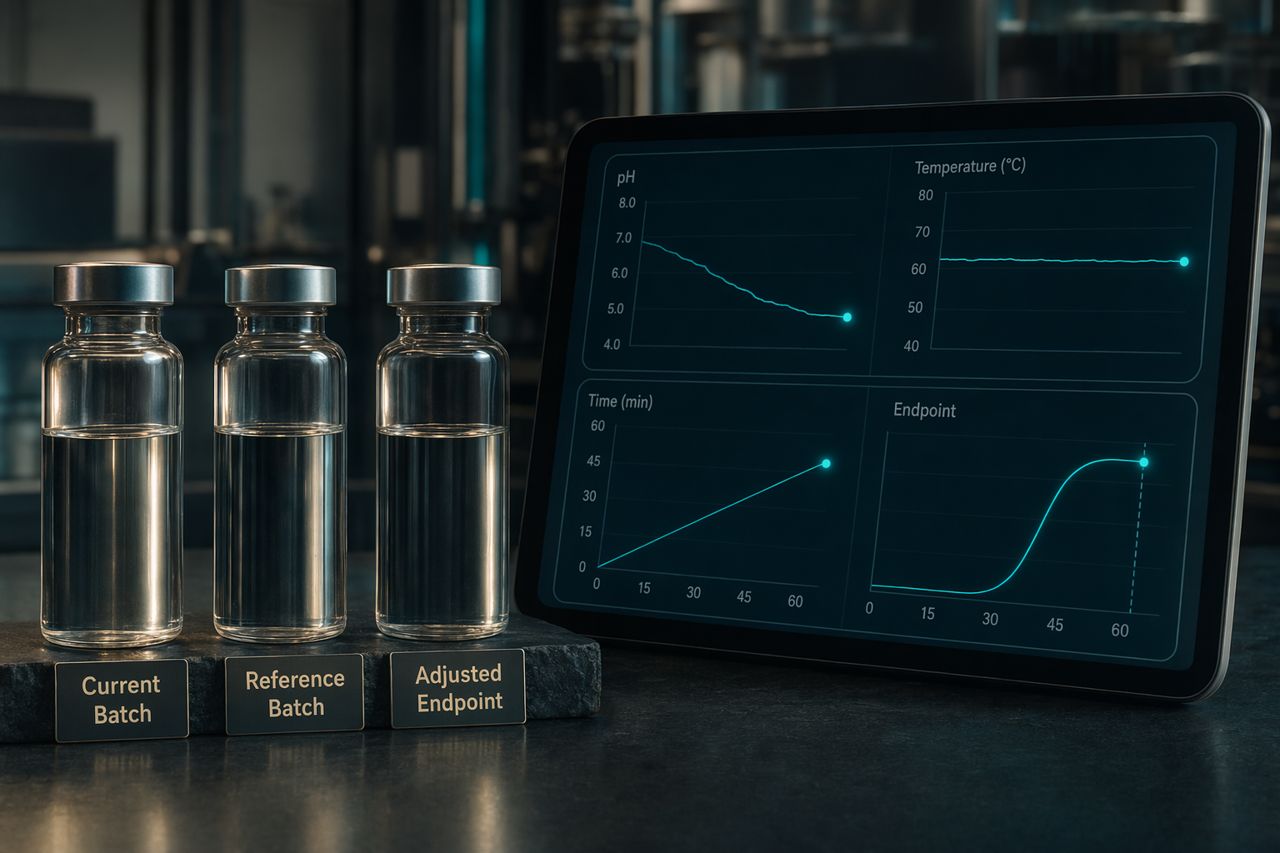
When changing enzyme lots, run a side-by-side bench comparison against retained material using the same substrate lot and process conditions. Focus on the practical endpoint: viscosity, solubility, filtration, sensory, nitrogen release trend, or your defined in-house release criteria. This protects production continuity without requiring disclosure of proprietary assay detail.
Symptom 5: enzyme appears unstable in storage or handling
If performance declines before use, review handling from receipt to addition.
Common handling risks
Storage above recommended conditions for extended periods.
Repeated warming and cooling cycles.
Prolonged exposure to open air or high humidity.
Cross-contact with sanitizers, oxidizers, strong acids, or strong alkalis.
Pre-dilution held too long before use.
Use of unclean or incompatible dosing equipment.
Keep containers sealed when not in use. Use clean dosing tools. If pre-dilution is required, prepare only what the batch needs and add it promptly.
Corrective action workflow
Use this sequence before making a permanent formulation change:
Define the failure mode clearly: weak hydrolysis, bitterness, filtration drag, haze, viscosity, yield, or sensory drift.
Pull the last acceptable batch record and compare pH, temperature, time, solids, addition point, and raw material lot.
Run a controlled bench time-course using current substrate and retained enzyme.
Run the same bench study with current enzyme lot and retained enzyme lot.
Adjust one lever at a time: pH, temperature, time, dosage, mixing, or stop condition.
Confirm the preferred correction at pilot or production scale before updating the batch record.
Procurement notes for troubleshooting supply
When requesting neutral protease for an industrial process, provide practical process context so the material can be matched correctly:
Substrate type and solids range.
Target product: soluble hydrolysate, flavor base, process aid, clarification support, fermentation nutrient, or functional protein modification.
Operating pH and temperature range.
Contact time and stop method.
Main issue to solve: speed, bitterness, filtration, consistency, cost-in-use, or handling.
Packaging and storage requirements.
Any materials that may inhibit or destabilize enzymes in your process.
A technical quote should not be based on enzyme name alone. The same neutral protease category can behave differently depending on substrate and process design.
Request pricing or technical support
Use the form below to request a quote, get pricing, or ask for neutral protease troubleshooting support. Include your substrate, process window, and the symptom you are trying to correct.
Technical takeaway
Neutral protease troubleshooting is about controlling the reaction environment. Before increasing dosage or changing materials, confirm the real pH, temperature, substrate state, mixing pattern, reaction time, and stop point. A controlled bench comparison usually identifies whether the problem is process drift, substrate variability, handling, or enzyme fit.