Reference
How Neutral Protease Hydrolyzes Proteins
A technical guide to how Neutral Protease converts proteins into peptides, including mechanism, process variables, stop-point control, stability considerations, and specification planning.
Reference
A technical guide to how Neutral Protease converts proteins into peptides, including mechanism, process variables, stop-point control, stability considerations, and specification planning.
Neutral Protease, also called Neutral Proteinase, is used when a manufacturer needs controlled protein breakdown without pushing the process into strongly acidic or alkaline conditions. It acts near the neutral point, converting larger proteins into shorter peptides and more soluble fractions that can change viscosity, filtration behavior, digestibility, flavor release, and downstream processability.
For procurement and formulation teams, the important question is not simply whether the enzyme can cut protein. The commercial question is whether it can do so predictably, in your substrate, under your plant conditions, to the stop-point your product requires.
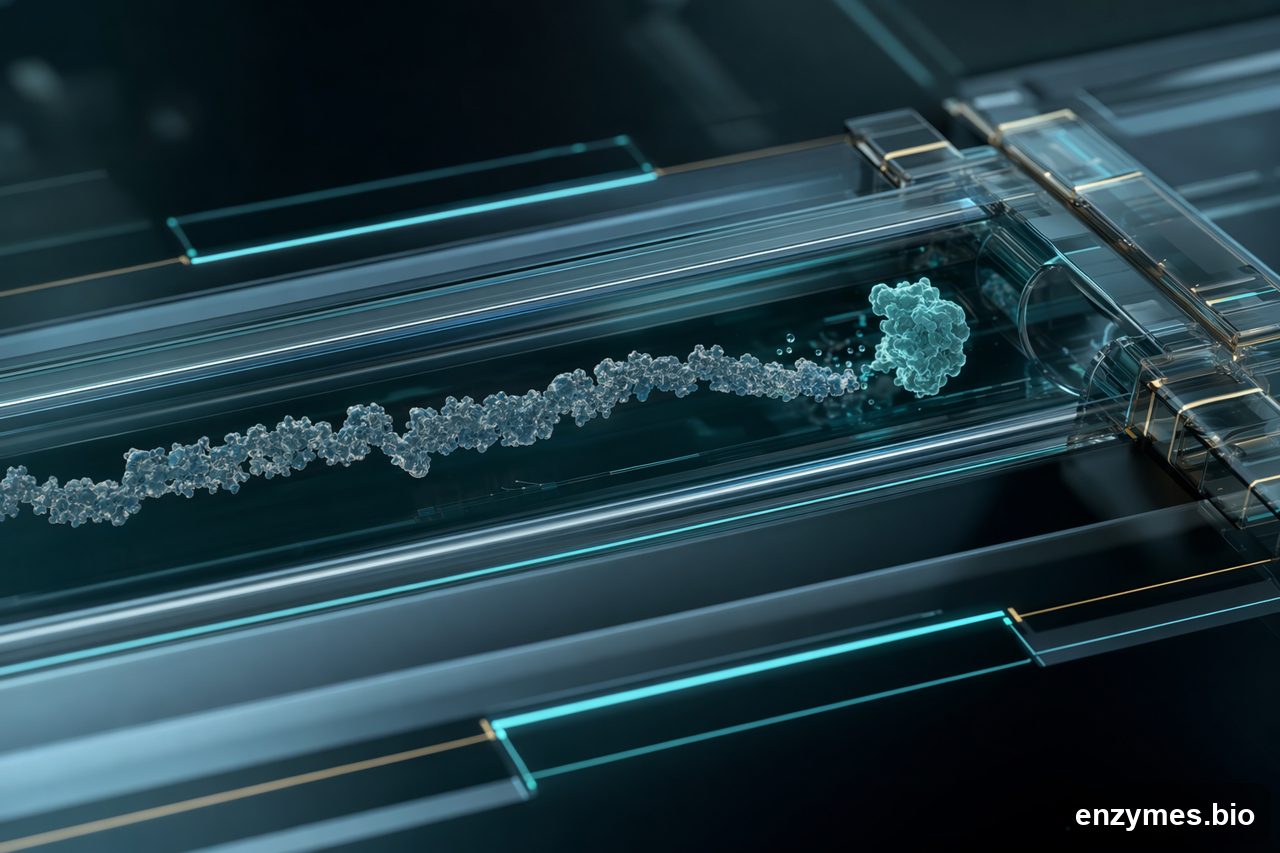
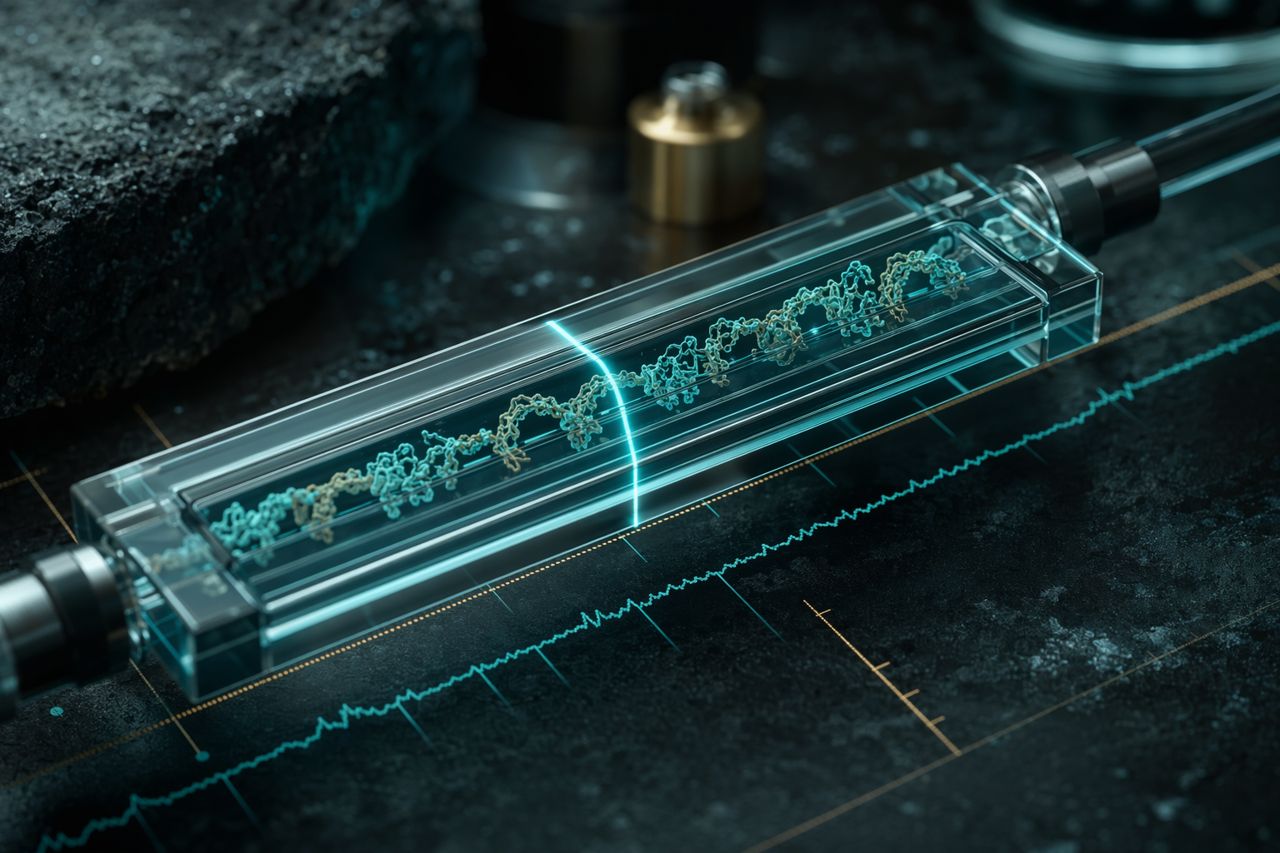
Neutral Protease is typically an endo-protease: it cleaves peptide bonds inside a protein chain rather than only trimming amino acids from the ends. Under suitable pH, temperature, hydration, and mixing conditions, the enzyme binds accessible regions of the protein, positions a peptide bond in its active site, activates water or a catalytic residue system, and breaks the amide bond. The result is a distribution of peptides rather than one single product.
That distribution is controlled by:
The word neutral refers to the working pH zone, not to a passive or weak enzyme. Neutral Protease is selected when the process should remain close to pH 7 to protect flavor, reduce harsh chemical adjustment, maintain compatibility with other ingredients, or preserve sensitive downstream components.
In industrial hydrolysis, that neutral operating window can be useful for proteins that become unstable, bitter, overly soluble, or difficult to filter under more aggressive pH conditions. It can also simplify integration into existing blending, extraction, fermentation, or nutritional processing lines.
Aequion positions Neutral Protease selection around the process target first: soluble peptide yield, viscosity reduction, functional modification, digestibility improvement, or preparation for a second enzymatic step.
Proteins are folded structures. Neutral Protease can only cleave peptide bonds it can physically reach. Heat treatment, hydration, particle size reduction, mechanical dispersion, or mild denaturation may expose more cleavage sites.
Poor substrate access is a common reason a formulation trial appears underpowered even when the enzyme itself is suitable. If protein particles are dry-cored, agglomerated, or shielded by fat, fiber, starch, minerals, or gums, hydrolysis may be slow or uneven.
The enzyme recognizes local regions of the protein chain and binds them temporarily. This binding is selective but not usually limited to one exact sequence. Neutral Protease generally works across many accessible peptide bonds, which is why it produces a peptide profile rather than a single defined molecule.
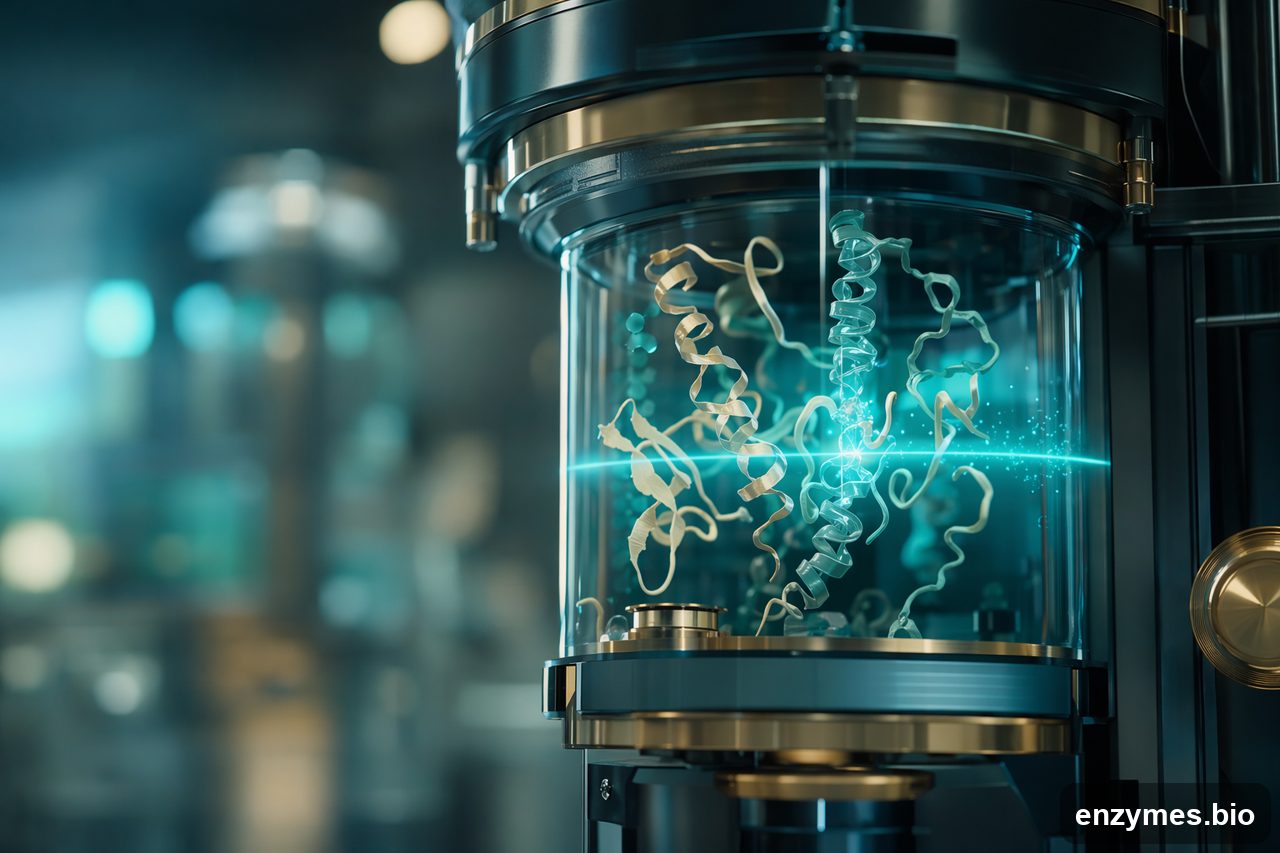
Binding efficiency depends on protein structure, water availability, pH, ionic strength, and the presence of competing ingredients.
Once the target bond is positioned in the active site, the enzyme promotes hydrolysis: water participates in breaking the peptide bond. Depending on the specific Neutral Protease grade, the catalytic system may rely on a metal center or catalytic amino-acid residues. In either case, the practical outcome is the same: a large protein chain is split into shorter peptide segments.
This step repeats as newly exposed sites become available.
Hydrolysis does not stop after one cut. As time continues, the mixture shifts from intact proteins toward large peptides, then smaller peptides, and sometimes more extensive breakdown products. The stop-point determines whether the result behaves like a viscosity-reduced protein slurry, a soluble hydrolysate, a functional ingredient base, or a more extensively digested peptide material.
For B2B production, the stop-point should be defined by application outcome, not by enzyme addition alone. Useful control markers may include viscosity trend, soluble solids, peptide profile target, filtration rate, sensory boundary, or downstream yield.
Neutral Protease affects more than molecular size. The cleavage pattern can influence practical product attributes:
The same enzyme can create different outcomes in soy, pea, wheat, dairy, fish, collagen, yeast, or animal-derived protein systems because substrate structure controls access and cleavage progression.
Neutral Protease performs best when pH remains within its qualified working range. Protein hydrolysis can shift pH as peptides are generated, so the initial pH is not always the final pH. A process that starts correctly can drift out of range during hold time.
Recommended development practice:
Temperature influences both reaction speed and enzyme stability. Warmer conditions generally accelerate hydrolysis up to the grade’s tolerance limit. Above that limit, the enzyme may lose performance or inactivate prematurely.
Production trials should separate two questions:
Neutral Protease hydrolysis is kinetic. Holding longer does not simply mean more of the same result; it changes the peptide distribution. A good process defines a stop-point and then builds repeatable control around it.
Common stop strategies include heat treatment, pH shift, rapid cooling, separation, or moving the stream into a downstream step where protease activity is no longer favorable.
Addition level should be developed against protein solids, substrate accessibility, and the target processing time. Aequion does not recommend treating dosage as a fixed universal number. The correct addition rate for a low-viscosity soluble protein may not translate to a dense plant-protein slurry or a collagen-rich material.
A practical screening design usually compares low, medium, and high enzyme additions at the intended pH and temperature, then selects the lowest addition level that reaches the required stop-point with acceptable consistency.
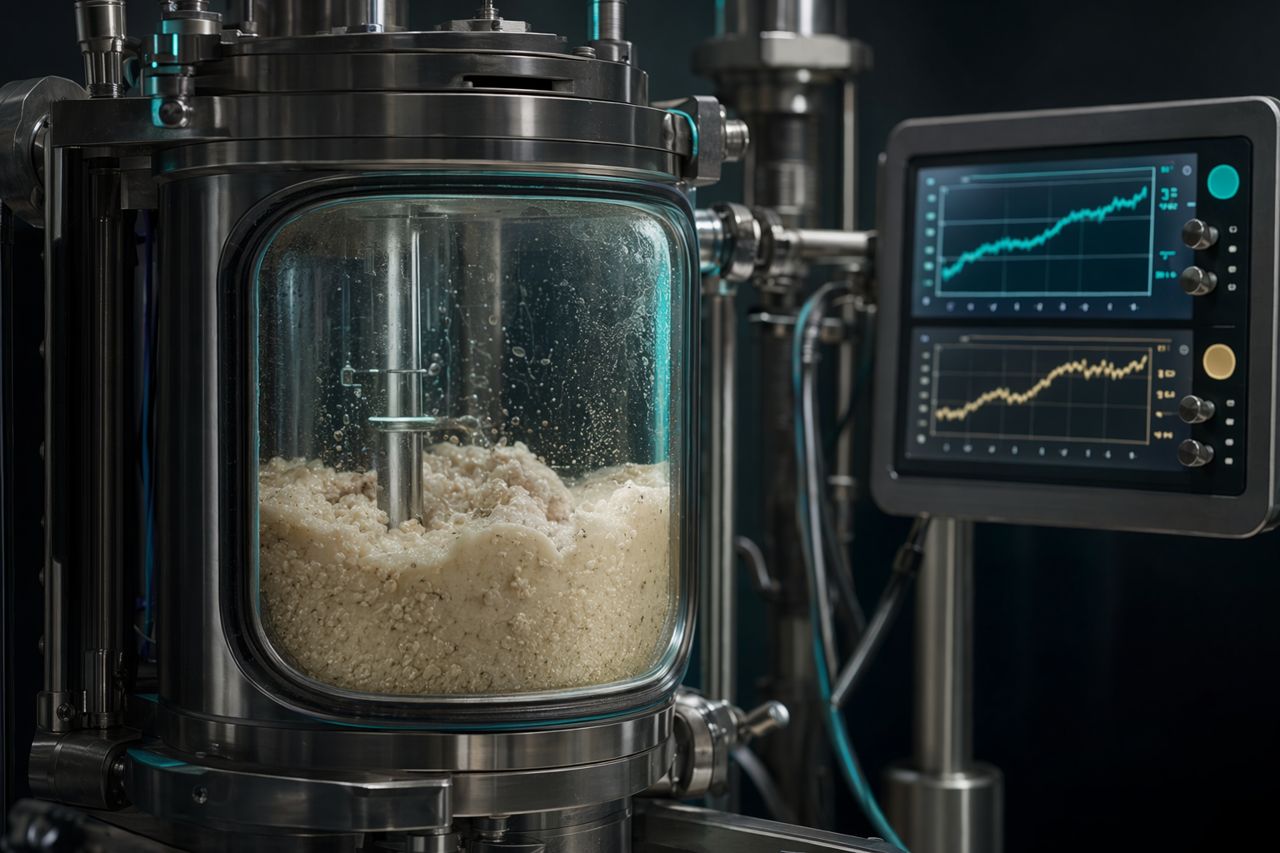
Protease performance is often limited by contact, not chemistry. Uniform hydration and mixing help the enzyme reach protein surfaces and prevent local over-treatment. In high-solids systems, poor mixing can create a product that appears inconsistent even when the enzyme lot is within specification.
Neutral Protease should be reviewed against the full formulation, not only the protein. Potential concerns include:
Aequion can review your processing aid list and identify compatibility risks before plant trial.
A suitable Neutral Protease grade is defined by the application environment, not by the enzyme name alone. When comparing options, specify:
Aequion supports grade selection with technical matching, documentation alignment, and trial planning for industrial buyers.
For production use, Neutral Protease should arrive with documentation that supports repeatable manufacturing and quality release. Typical buyer requirements include:
A technical enzyme purchase is not only a raw-material transaction. It is a process-risk decision. Reliable documentation reduces reformulation surprises, plant-trial waste, and release delays.
A controlled hydrolysis program can be built in five stages:
This approach keeps the mechanism connected to manufacturing reality.
Share the substrate, target outcome, estimated annual demand, process pH, temperature profile, and packaging preference. The Aequion team will review fit and respond with pricing guidance or next-step technical questions.

Tell us your application and target volume — our team replies with pricing, lead time, and the current specification sheet.