Reference
Choosing Neutral Protease for Protein Hydrolysates
A practical B2B guide to using Neutral Protease for protein hydrolysates, soluble peptide streams, bitterness control, process design, stability, dosing strategy, and QA.
Reference
A practical B2B guide to using Neutral Protease for protein hydrolysates, soluble peptide streams, bitterness control, process design, stability, dosing strategy, and QA.
Neutral Protease is a practical enzyme choice when a hydrolysate process needs controlled peptide release without pushing the system into harsh acidic or alkaline conditions. For manufacturers developing hydrolyzed protein ingredients, peptide blends, soluble protein streams, or fermentation nutrients, it offers a balanced route: effective protein cleavage near neutral pH, good compatibility with many food and feed substrates, and a process window that is easier to integrate into existing tanks, heat exchangers, and downstream separation steps.
Aequion positions Neutral Protease as a process-control enzyme, not a generic cutting tool. The commercial value comes from matching the enzyme to the substrate, target degree of hydrolysis, sensory profile, solubility requirement, and inactivation plan.
Neutral Protease is commonly evaluated for:
The main reason to choose a neutral protease is operational balance. Many protein systems are already handled near neutral pH for flavor, mineral stability, equipment compatibility, and microbial control. Running hydrolysis in that zone can reduce correction steps, salt formation, and stress on sensitive co-ingredients.
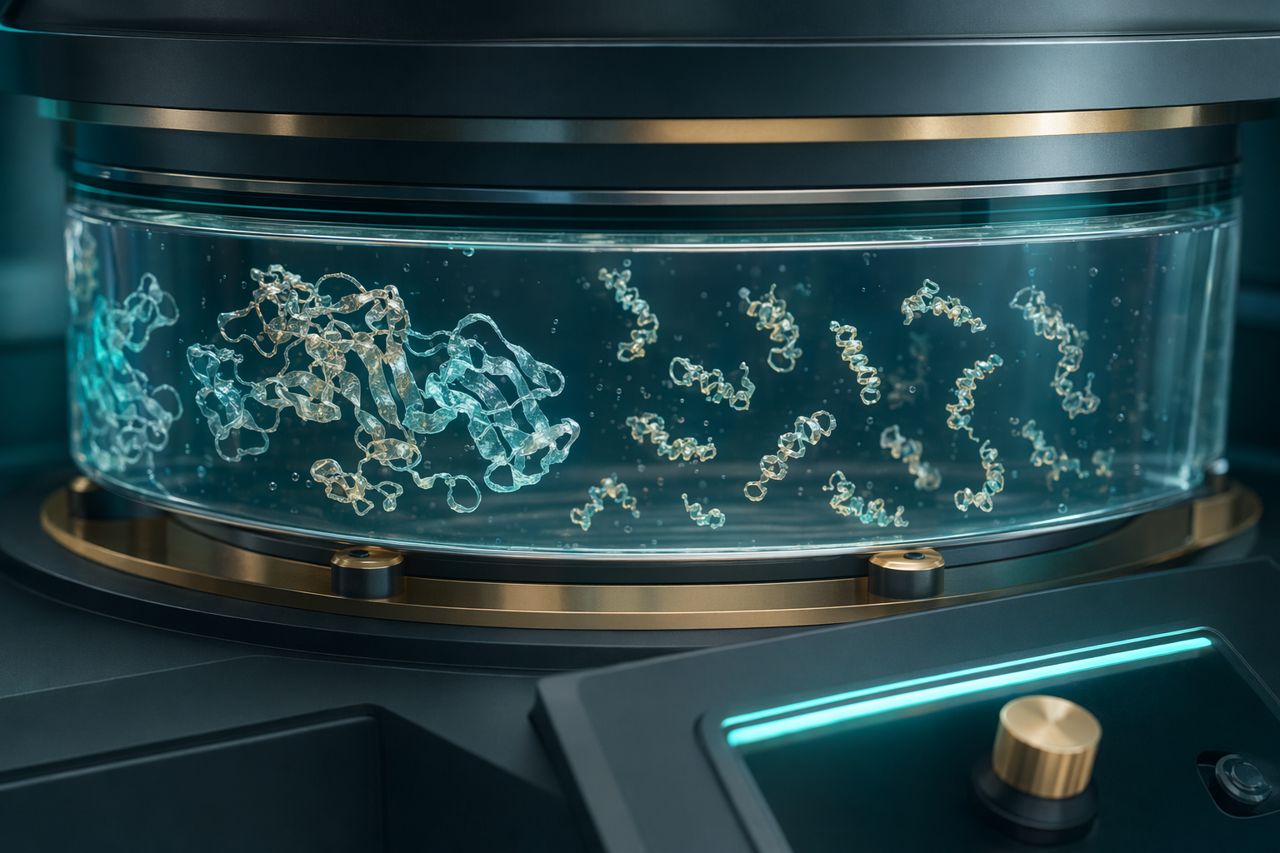
Neutral Protease cleaves internal peptide bonds in protein chains, creating smaller peptides and improving the functional behavior of the stream. The exact outcome depends on substrate structure, pretreatment, solids level, pH, temperature, residence time, and enzyme addition strategy.
In a hydrolysate program, the usual performance targets are:
The enzyme should be selected and dosed against the desired endpoint, not simply added until hydrolysis stops. Over-processing can create excessive small peptides, alter flavor, increase bitterness, or reduce the functional properties that the ingredient was meant to retain.
A neutral-pH process can simplify formulation and plant operation. For many B2B buyers, this is the key advantage over proteases that require more aggressive pH adjustment.
Neutral processing may help with:
This does not mean the process is automatically simple. Neutral Protease still needs defined control points. The best results come from treating pH, temperature, substrate preparation, and residence time as a connected process package.
Hydrolysis efficiency is often limited by substrate accessibility rather than enzyme quality. Before increasing enzyme addition, check whether the protein has been properly prepared.
Key preparation factors include:
For plant proteins, heat treatment can expose cleavage sites but may also create aggregates if pushed too far. For animal or microbial proteins, prior thermal history and matrix composition can strongly affect hydrolysis rate. A well-designed trial separates enzyme behavior from substrate-handling limitations.
Neutral Protease is generally used under mild-to-moderate processing conditions near neutral pH. The exact operating window should be confirmed with the selected product grade and substrate.
A typical development sequence is:
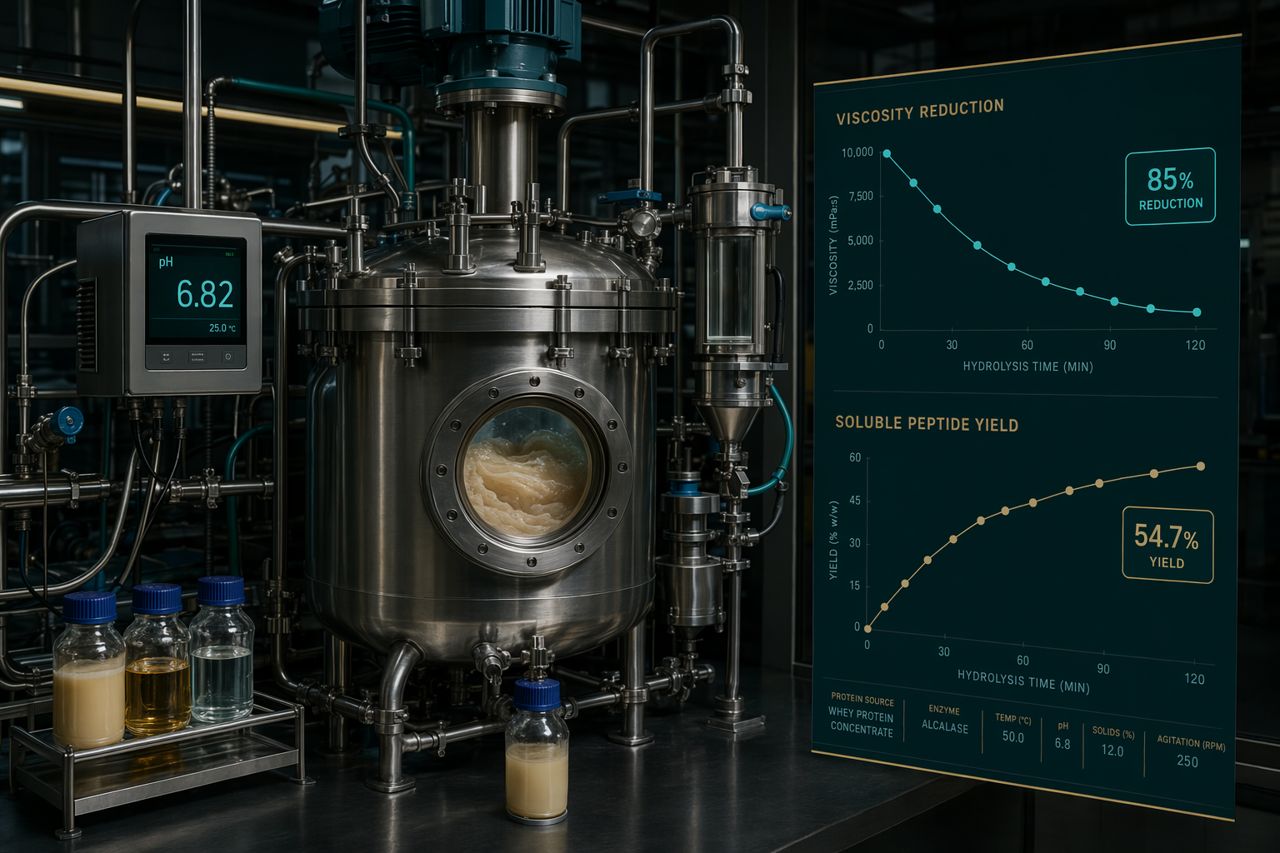
The most reliable production systems do not depend on a single final test. They use in-process indicators such as viscosity drop, soluble fraction increase, pH drift, and time-temperature history to keep the batch on target.
Neutral Protease dosage should be built from the target hydrolysate specification backward. A soluble peptide stream for fermentation nutrition may need a different hydrolysis profile than a consumer-facing protein ingredient where taste and mouthfeel are critical.
During bench screening, evaluate enzyme addition across a low, medium, and high range on a protein basis. Hold pH, temperature, solids, and mixing constant. Sample at several time points and compare:
The recommended production addition rate should include a safety margin for raw material variability, but not so much margin that the process drifts into over-hydrolysis. For procurement teams, the buying question is not only price per kilogram. It is cost per finished batch that meets specification with minimal rework.
Bitterness is one of the most common risks in protein hydrolysates. It is not controlled by enzyme choice alone, but Neutral Protease can help create a more manageable peptide profile when the process is designed correctly.
To reduce bitterness risk:
Some hydrolysates are intended for technical, feed, or fermentation use where bitterness is less important. Others must remain suitable for beverages, nutrition powders, sauces, or consumer-facing formats. The same enzyme may be appropriate in both cases, but the process target will be different.

Neutral Protease is often selected because it can improve processability before separation or drying. A controlled reduction in molecular size can lower viscosity and help release soluble material from the protein matrix.
This can support:
Downstream benefits should be measured directly. A hydrolysate that looks successful in a beaker can still behave poorly in a separator, evaporator, or dryer if insoluble fines, fat, or mineral interactions are not controlled.
Every hydrolysis process needs a defined stop step. If Neutral Protease remains active beyond the target point, peptide distribution can continue to shift during holding, transfer, concentration, or blending.
Common inactivation strategies use validated heat treatment, sometimes combined with pH adjustment depending on the process. The right approach depends on the substrate, final application, equipment, microbial requirements, and whether the downstream process already includes a sufficient thermal step.
A strong endpoint plan should define:
Do not treat inactivation as an afterthought. It is part of the enzyme specification and part of the final ingredient quality plan.
Neutral Protease may be used alone or as part of a broader enzyme system. It can be combined with other proteases, carbohydrases, or process aids when the substrate contains complex matrices such as starch, fiber, cell wall material, or mixed proteins.
Compatibility should be assessed for:
Sequential addition is often more predictable than adding everything at once. If the goal is a specific peptide profile, controlled staging gives the formulation team more levers to adjust the process.
For industrial hydrolysate production, enzyme quality is about consistency and documentation. Buyers should ask for information that supports qualification, scale-up, and audit readiness.
Typical review items include:
The right Neutral Protease supplier should be able to support both the purchasing file and the process development conversation.
Before moving from bench to pilot or production, confirm the following:
Scale-up problems usually come from mass transfer, heat transfer, raw material variation, or delayed inactivation. Build the trial plan around those risks.
Neutral Protease is especially worth evaluating when the project requires:
It may be less suitable as a single-enzyme solution when the substrate is highly resistant, when an extremely specific peptide profile is required, or when the process must operate far outside the neutral range. In those cases, a staged enzyme strategy or pretreatment change may be needed.
If you are qualifying Neutral Protease for a hydrolysate program, share the substrate, target application, process pH, process temperature, solids level, desired endpoint, and annual volume range. Aequion can help align the enzyme grade and addition strategy with your production target.
Tell us your application and target volume — our team replies with pricing, lead time, and the current specification sheet.