Neutral Protease for Peptide, Amino Nitrogen, and Solubility Targets
Technical guidance for using Neutral Protease to control peptide release, amino nitrogen development, protein solubility, flavor base yield, fermentation nutrition, and feed hydrolysate functionality.
Industrial-grade supplyMulti-application formulationBatch documentation on requestGlobal logistics, 180+ countries
01
Technical Overview
Neutral Protease for Peptide, Amino Nitrogen, and Solubility Targets
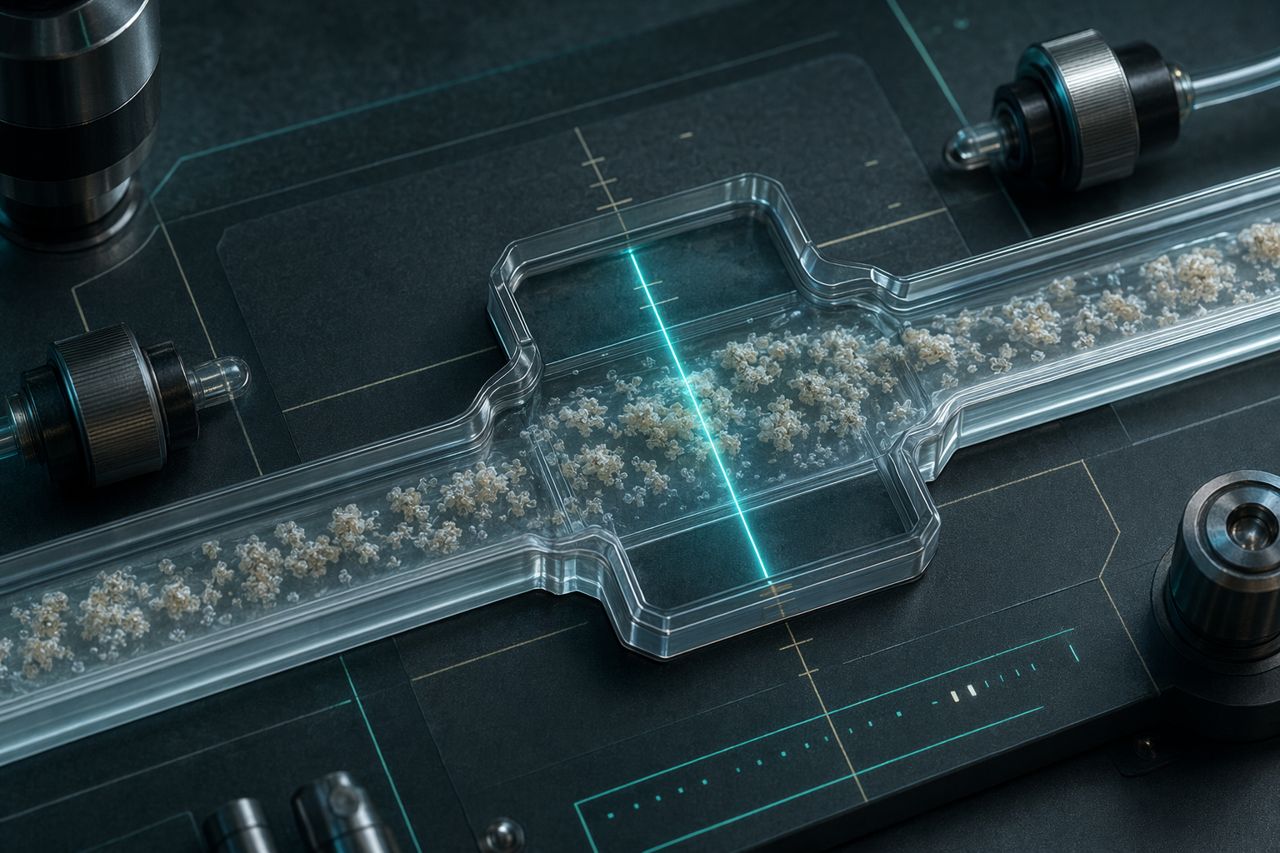
Neutral Protease, also called Neutral Proteinase, is used when processors need controlled protein hydrolysis without pushing the system into harsh acid or alkaline conditions. It cleaves proteins into smaller peptide fractions, raising soluble nitrogen and amino nitrogen while helping improve dispersibility, extraction yield, flavor-base development, and fermentation nutrition.
For procurement and formulation teams, the value is not simply “more hydrolysis.” The value is repeatable hydrolysis inside a practical process window: moderate pH, manageable temperature, predictable viscosity change, clean separation behavior, and a peptide profile that fits the finished application.
Why neutral-point proteolysis matters
Many protein substrates are sensitive to pH. Dairy proteins, plant proteins, fish proteins, meat by-products, yeast materials, and fermentation residues can all change texture, solubility, color, or flavor if the hydrolysis environment is too aggressive.
Neutral Protease is selected when the process needs:
Controlled peptide generation without excessive breakdown into very bitter low-molecular fragments.
Higher soluble nitrogen for sauces, seasonings, fermentation media, and nutritional ingredients.
Improved amino nitrogen availability for microbial growth, savory flavor development, and downstream blending.
Moderate processing conditions that reduce chemical adjustment and protect heat- or pH-sensitive components.
Better suspension and filtration behavior when protein structure is partially opened but not destroyed.
Functional targets Neutral Protease can support
1. Peptide release
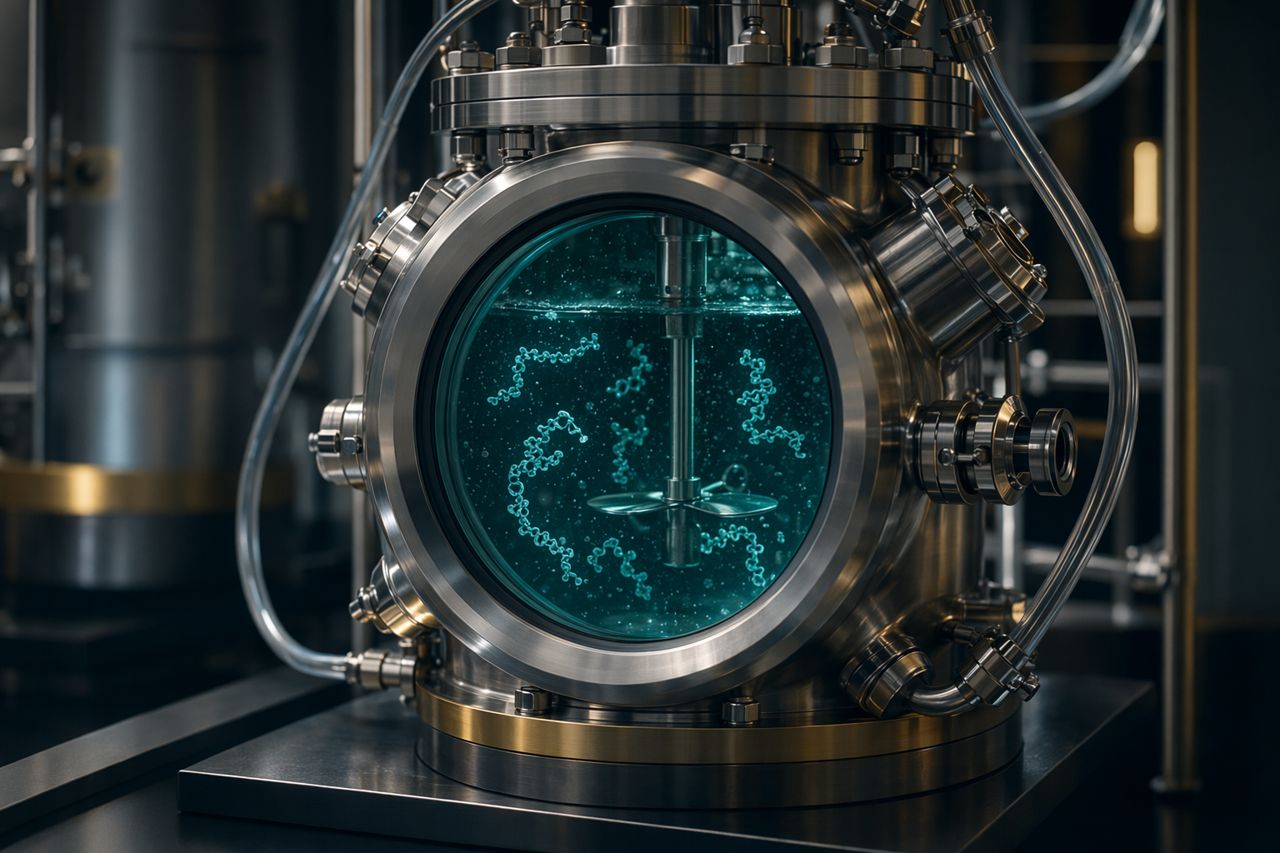
Neutral Protease cleaves internal peptide bonds, reducing large proteins into smaller soluble fractions. This can improve digestibility, reduce viscosity, support protein extraction, and create controlled hydrolysates for food, feed, and fermentation use.
Useful targets include:
Increasing soluble peptide fraction.
Lowering average protein size.
Improving digestibility and bioavailability in feed or nutrition systems.
Producing mild hydrolysates with less harsh sensory impact than aggressive protease systems.
2. Amino nitrogen development
Amino nitrogen is a practical marker for available nitrogen in many industrial processes. Neutral Protease can help release free amino groups and small peptides that are accessible to microbes or contribute to flavor chemistry.
This is relevant for:
Fermentation nutrient preparation.
Soy sauce, fish sauce, and savory base processing.
Yeast extract and protein extract modification.
Feed hydrolysates where available nitrogen is part of performance positioning.
3. Solubility improvement
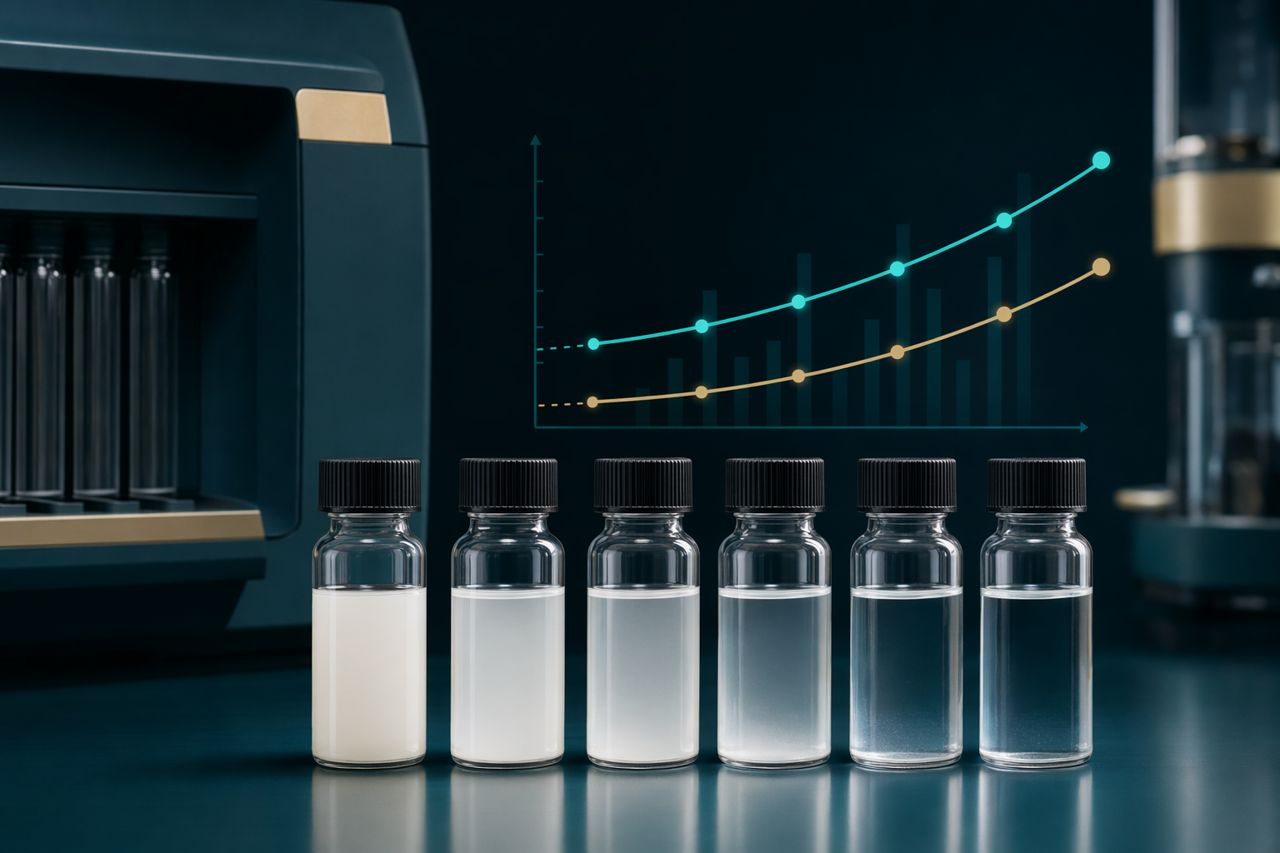
Protein insolubility is often caused by compact structure, aggregation, heat history, or unfavorable pH. Partial hydrolysis can expose hydrophilic groups and reduce molecular size, allowing more protein material to remain dispersed or soluble.
Neutral Protease is commonly evaluated when the product goal is:
Improved cold or warm water dispersibility.
Lower sediment formation.
Higher soluble solids recovery.
Smoother slurry handling.
Better compatibility in liquid blends.
Typical application areas
Food protein hydrolysates
Neutral Protease can be used with soy, pea, wheat, rice, dairy, collagen-containing materials, meat proteins, seafood proteins, and mixed protein streams. It is especially useful where a mild-to-moderate hydrolysis profile is required rather than complete protein breakdown.
Typical objectives include better solubility, reduced viscosity, improved emulsification support, faster extraction, and a defined savory or nutritional profile.
Fermentation nutrients
Microorganisms require accessible nitrogen. Neutral Protease can convert complex proteins into peptide-rich nutrient sources that are easier to metabolize. This supports fermentation media design where consistency, nitrogen availability, and batch reproducibility are important.
Savory bases and seasoning systems
For sauces, hydrolyzed vegetable protein systems, yeast-derived bases, meat extracts, and seafood extracts, Neutral Protease helps develop soluble peptides and amino nitrogen that contribute to body, umami, and process yield. Formulators should monitor bitterness and end-point carefully; more hydrolysis is not always better.
Feed and pet nutrition
In feed hydrolysates, Neutral Protease can improve protein accessibility and create peptide fractions that support palatability, digestibility positioning, and liquid or powder handling. The neutral operating range is useful for mixed animal or marine raw materials where severe pH correction is undesirable.
Process window and control points
Neutral Protease is usually evaluated near neutral pH, with the exact operating point depending on the substrate, desired hydrolysis depth, process time, and final sensory or nutritional target.
Key control variables:
pH: Keep the process near the enzyme’s neutral operating zone. Avoid drift caused by protein buffering, salts, acid generation, or alkaline pretreatment residues.
Temperature: Select a temperature that balances reaction speed with protein stability and enzyme lifetime.
Time: Use timed sampling to identify the plateau before over-hydrolysis creates bitterness or excessive low-molecular fractions.
Substrate concentration: High-solids slurries may need stronger mixing and staged enzyme addition.
Agitation: Maintain uniform contact between enzyme and protein without creating avoidable foam or shear damage.
Inactivation: Define a validated heat or process stop so the peptide profile does not continue shifting downstream.
Dosage guidance for trials
Because commercial enzyme preparations differ in concentration and formulation, dosage should be confirmed by application testing rather than copied from another plant.
A practical screening design is:
Run a control with no enzyme.
Test a low, medium, and high inclusion of the enzyme preparation as supplied.
Hold pH, temperature, solids, mixing, and time constant.
Select the lowest inclusion that reaches the functional target with acceptable sensory and downstream performance.
For many projects, the best commercial dosage is not the highest-performing lab point. It is the point that reaches specification reliably while preserving flavor, filtration, cost position, and process capacity.
What to measure during development
Recommended development metrics include:
Soluble protein or soluble nitrogen increase.
Amino nitrogen development.
Viscosity reduction or flow improvement.
Filtration or centrifugation rate.
Sediment after holding.
Bitterness and savory impact.
Color shift and aroma stability.
Microbiological suitability after inactivation and drying or packing.
Final performance in the customer’s application, not only in a laboratory slurry.
Compatibility notes
Neutral Protease can be used alone or as part of a broader enzyme system. Pairing decisions should be made carefully because additional proteases may accelerate hydrolysis, shift peptide size distribution, or change flavor.
Watch for:
Salt level and mineral content.
Preservatives or processing aids that may suppress enzyme performance.
Preheated proteins with reduced accessibility.
Extreme pH corrections before or after hydrolysis.
High fat or insoluble loads that affect enzyme contact.
Downstream thermal steps that may continue changing texture or flavor.
Quality and procurement expectations
For B2B supply, buyers should align on more than product name. A robust Neutral Protease specification should cover:
Enzyme identity and intended application fit.
Physical form, appearance, and handling characteristics.
Batch-to-batch functional consistency under agreed commercial specification.
Microbiological and contaminant controls appropriate to the end market.
Allergen, carrier, and regulatory documentation as required.
Packaging format, shelf-life, storage conditions, and shipping stability.
Technical support for process matching and scale-up.
Aequion supports buyers who need a neutral protease input evaluated against real plant targets: peptide profile, amino nitrogen, soluble yield, filtration, sensory balance, and cost-in-use.
Scale-up considerations
Lab success does not automatically transfer to a production vessel. During scale-up, confirm:
Heat-up and cool-down time.
pH control under plant buffering conditions.
Mixer ability at actual solids.
Enzyme addition point and dilution method.
Sampling consistency.
Inactivation time at the coldest point of the batch.
Holding time before drying, concentration, or packaging.
Small changes in time and temperature can shift the final peptide profile. Treat the enzyme step as a controlled unit operation, not an ingredient added casually to a tank.
Request a quote or get pricing
Tell us your substrate, target outcome, processing window, and required documentation. Aequion will help define the right Neutral Protease supply option for your application review.