Reference
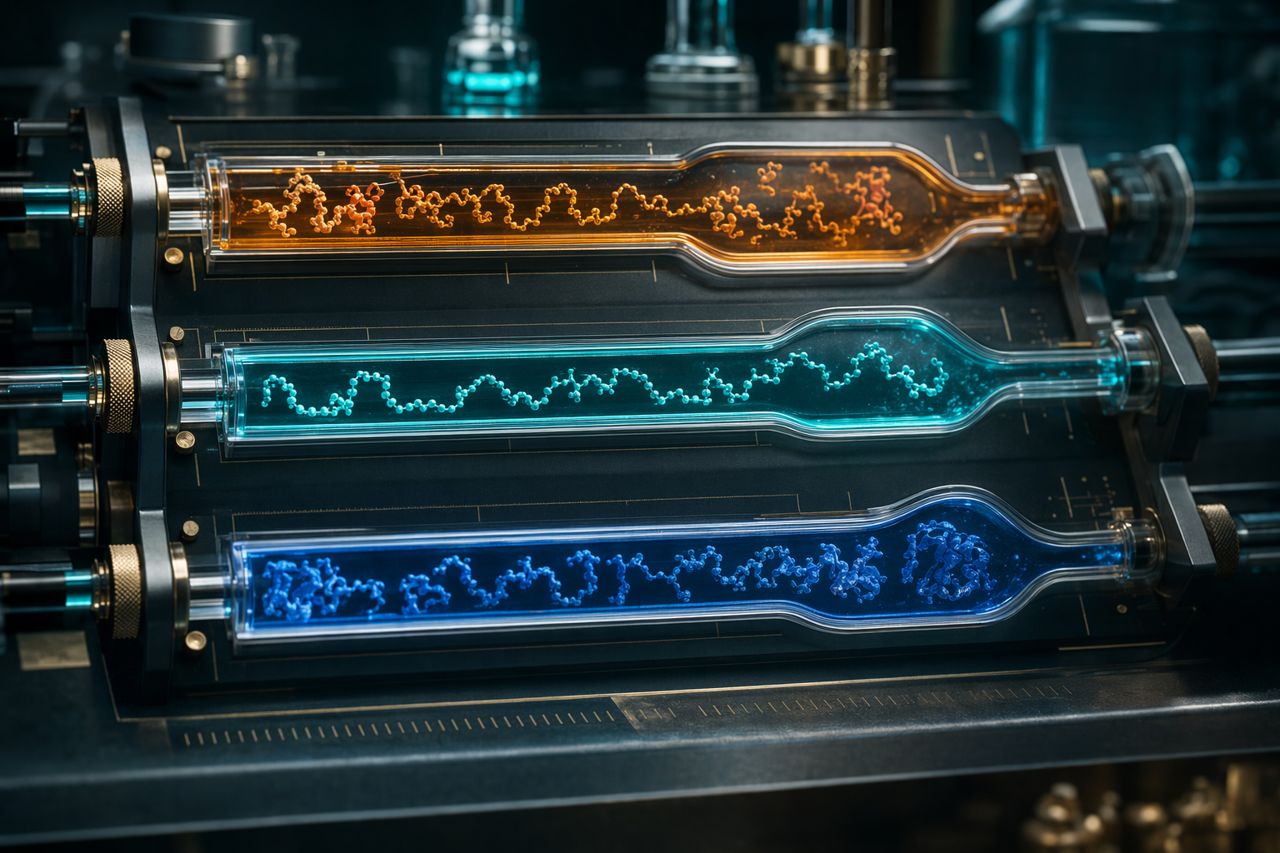
Neutral Protease vs Acid Protease vs Alkaline Protease
Compare neutral, acid, and alkaline proteases by pH fit, substrate conditions, process control, stability, and industrial application fit for B2B formulation decisions.
Reference
Compare neutral, acid, and alkaline proteases by pH fit, substrate conditions, process control, stability, and industrial application fit for B2B formulation decisions.
Choosing a protease is not just a question of “which enzyme breaks protein.” It is a process-fit decision: pH window, raw material type, temperature exposure, residence time, downstream control, and the degree of hydrolysis all shape the best choice.
Neutral Protease (Neutral Proteinase) is often selected when the process sits close to neutral pH and the goal is controlled protein modification without forcing a major pH shift. Acid protease and alkaline protease are better fits when the process is naturally acidic or alkaline, or when the end-use environment demands those conditions.
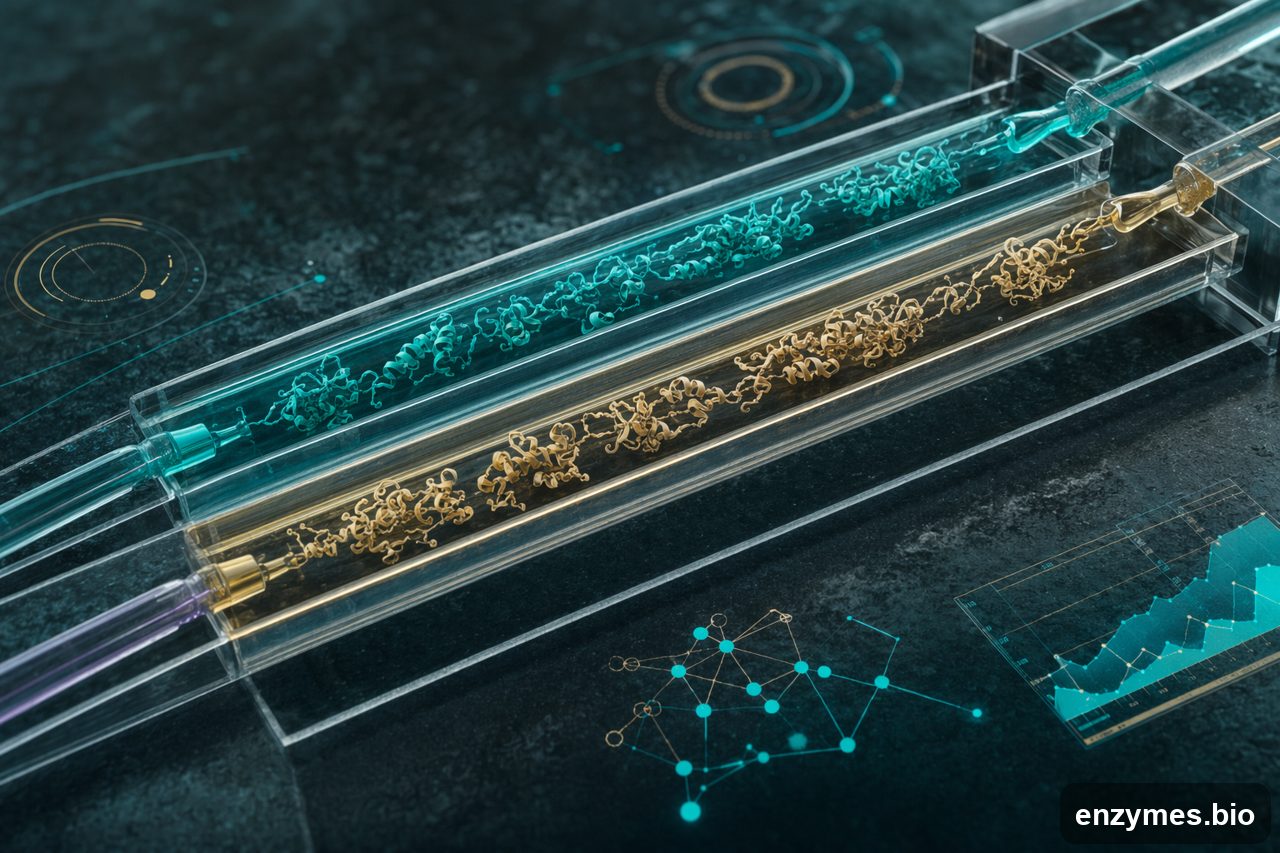
| Protease type | Best process environment | Typical buyer priority | Common application logic |
|---|---|---|---|
| Acid protease | Low pH | Hydrolysis in acidic raw materials or fermentation conditions | Useful when pH reduction is already part of the process and neutralization is undesirable |
| Neutral protease | Near-neutral pH | Controlled peptide generation, moderate process conditions, formulation balance | Useful when teams want proteolysis without aggressive pH adjustment |
| Alkaline protease | High pH | Robust protein breakdown in alkaline systems | Useful in detergents, cleaning, leather, and other high-pH industrial environments |
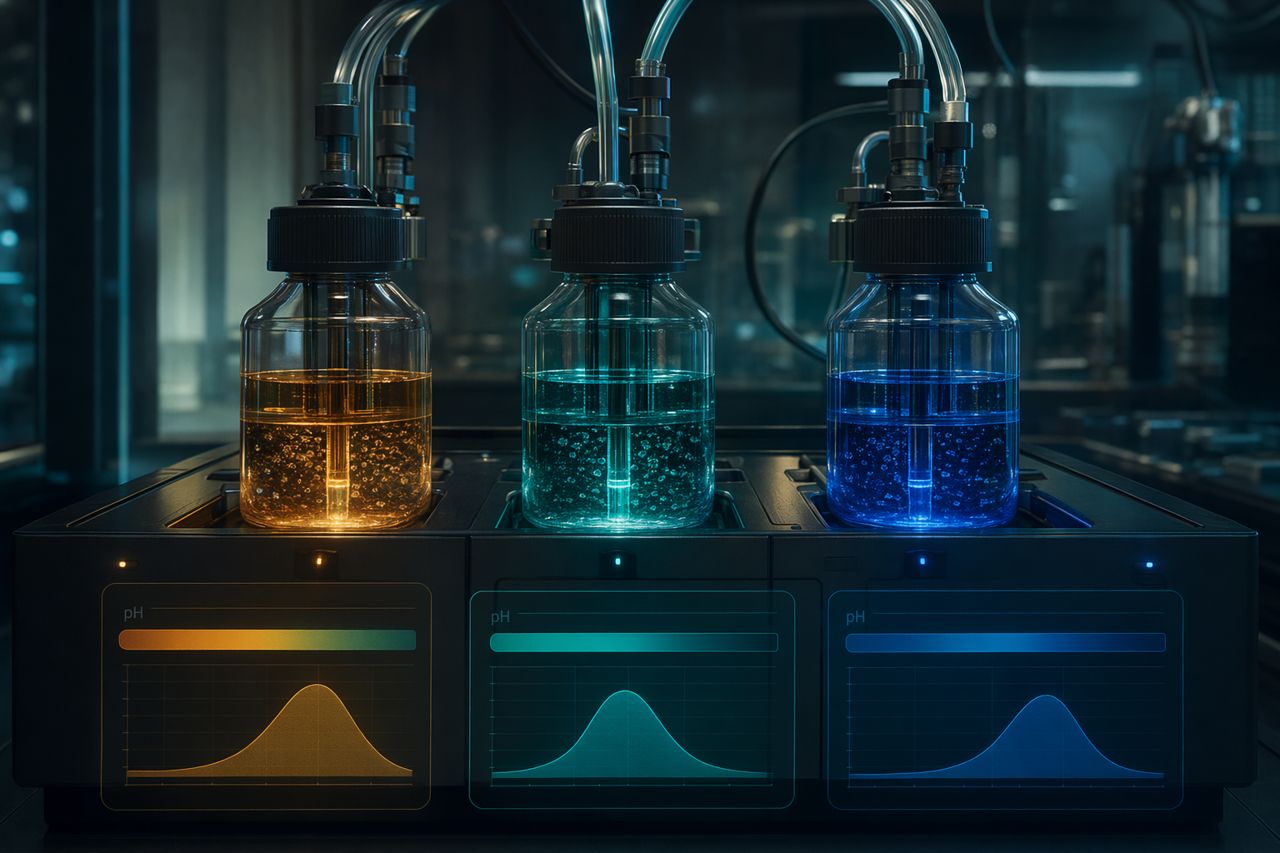
Proteases are optimized for different hydrogen-ion environments. When the pH is outside the enzyme’s preferred range, performance can drop, selectivity can change, and dosage demand may rise.
Acid protease is designed for acidic systems. It is often considered when the raw material, fermentation medium, or processing step already runs at low pH.
Best fit when:
Watch-outs:
Neutral Protease works around the midpoint of the pH scale, making it a practical choice for many protein-processing, fermentation, food, feed, and bioprocessing workflows.
Best fit when:
Why buyers choose it:
Neutral Protease can reduce the need for aggressive process adjustment. For procurement and formulation teams, that can mean simpler integration, easier scale-up trials, and better control over peptide profile, viscosity reduction, solubility, and functional protein modification.
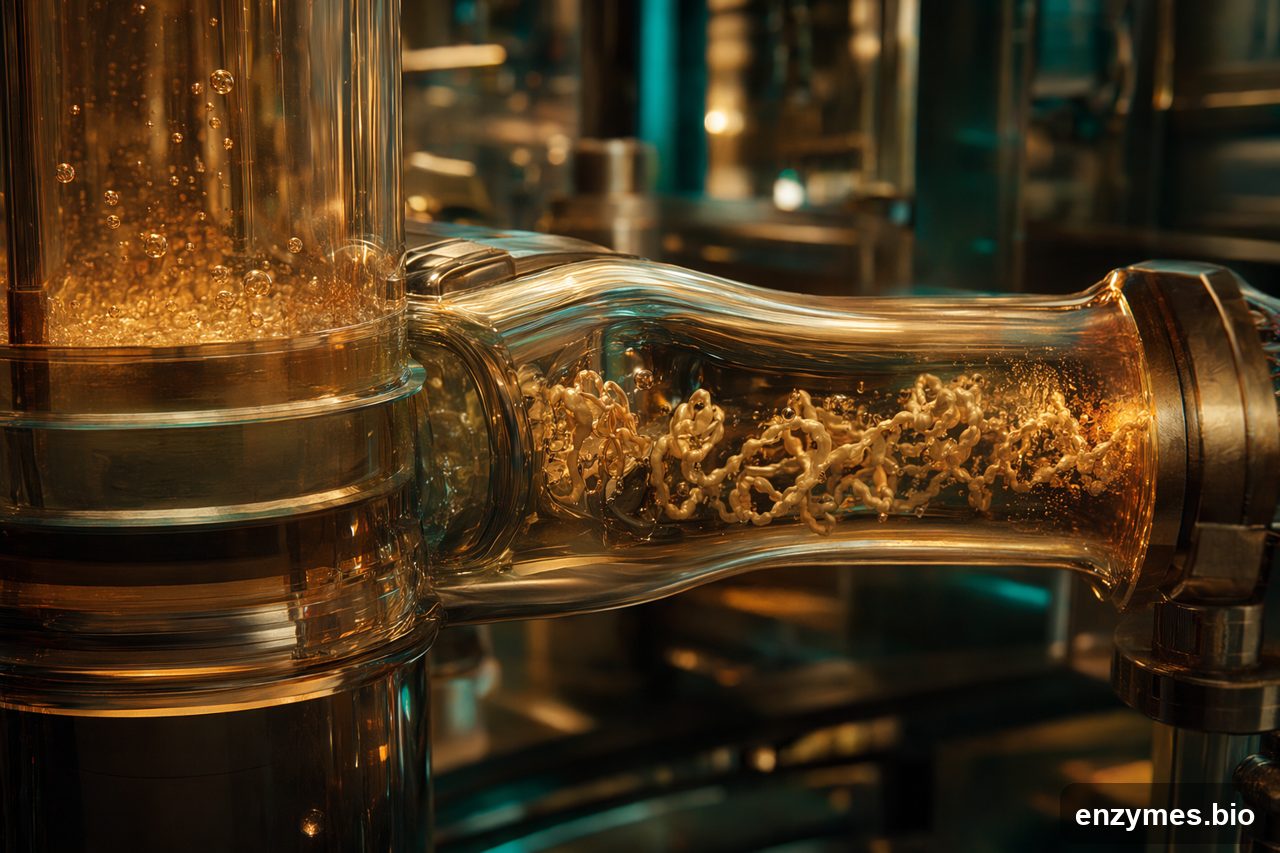
Alkaline protease is selected for high-pH environments where protein soils, fibers, or substrates need robust breakdown under alkaline conditions.
Best fit when:
Watch-outs:
Neutral Protease is commonly evaluated when the target is controlled peptide generation from plant, animal, microbial, or marine proteins. It can support improvements in solubility, viscosity reduction, and digestibility while keeping the process closer to neutral conditions.
Acid protease may be preferred if the raw material is already acidic or if the hydrolysis target is developed under low-pH processing. Alkaline protease is more relevant when high-pH hydrolysis is acceptable and strong breakdown is desired.
For food and fermentation-related workflows, neutral pH compatibility can be valuable because many substrates, cultures, and downstream ingredients are sensitive to large pH shifts. Neutral Protease is often considered when teams want a balanced hydrolysis profile and easier process control.
Acid protease can fit fermented or acidified systems. Alkaline protease is usually evaluated only when the formulation and regulatory context support alkaline processing.
Alkaline protease is usually the starting point for detergent and high-pH cleaning systems. Its role is to attack protein-based soils under alkaline wash conditions.
Neutral Protease can be considered in milder cleaning concepts or specialty formulations where the pH is closer to neutral. Acid protease is more niche in cleaning and depends heavily on the final formulation environment.
Alkaline protease is frequently used where high-pH processing is already established. Neutral Protease may be evaluated for milder technical treatments where substrate control and reduced harshness are priorities.
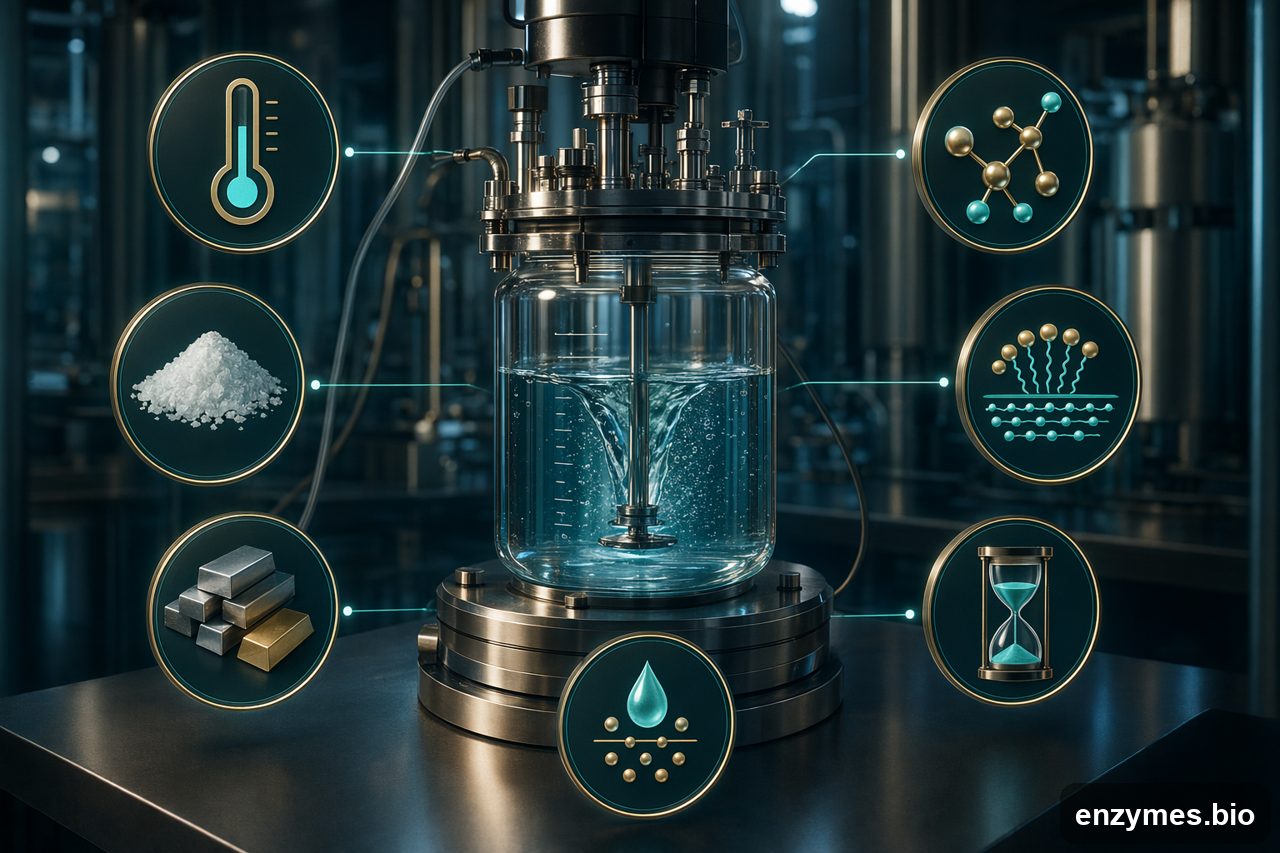
Before choosing a protease type, review the full process environment, not just the label pH.
Key variables include:
Aequion recommends building dosage around the actual substrate and performance target rather than copying a generic addition rate.
For pilot work, define:
For Neutral Protease, the most efficient addition level is typically found by screening reaction time and enzyme loading together. A lower addition with longer residence time may outperform a higher addition used too briefly, depending on substrate accessibility.
Choose Neutral Protease first when the process is close to neutral pH and you need controlled protein modification rather than aggressive degradation.
It is often the better starting point when:
Neutral Protease is not always the right choice.
Choose acid protease when the process already sits at low pH and keeping it acidic is commercially or technically important.
Choose alkaline protease when the process is high-pH by design, especially in detergent, cleaning, leather, and robust technical applications.
For B2B purchasing, the right protease must be technically suitable and commercially reliable. Aequion supports selection with buyer-relevant documentation and batch consistency controls.
Review the following before ordering:
Use this simplified selection path:
Need help choosing between Neutral Protease, acid protease, and alkaline protease for a real process?
Use the site form to request a quote or get pricing. Include your substrate, process pH, temperature range, contact time, target outcome, product format preference, and expected purchase volume. Aequion will respond with application-focused guidance and commercial next steps.
Tell us your application and target volume — our team replies with pricing, lead time, and the current specification sheet.