Reference
Neutral Protease for Mild pH Manufacturing Workflows
Technical guide to using Neutral Protease in near-neutral manufacturing processes where controlled protein hydrolysis is needed without strong acid or alkali conditions.
Reference
Technical guide to using Neutral Protease in near-neutral manufacturing processes where controlled protein hydrolysis is needed without strong acid or alkali conditions.
Neutral Protease, also known as Neutral Proteinase, is selected when a process needs controlled proteolysis without pushing the batch into strong acid or strong alkali territory. For manufacturers working with protein-containing substrates, that near-neutral operating window can simplify formulation, reduce harsh pH correction steps, and protect pH-sensitive ingredients, color, flavor, viscosity, or downstream biological functionality.
Aequion positions neutral protease as a practical processing tool: specific enough to improve protein modification, mild enough for balanced workflows, and controllable enough for procurement, R&D, and plant teams that need repeatable batch outcomes.
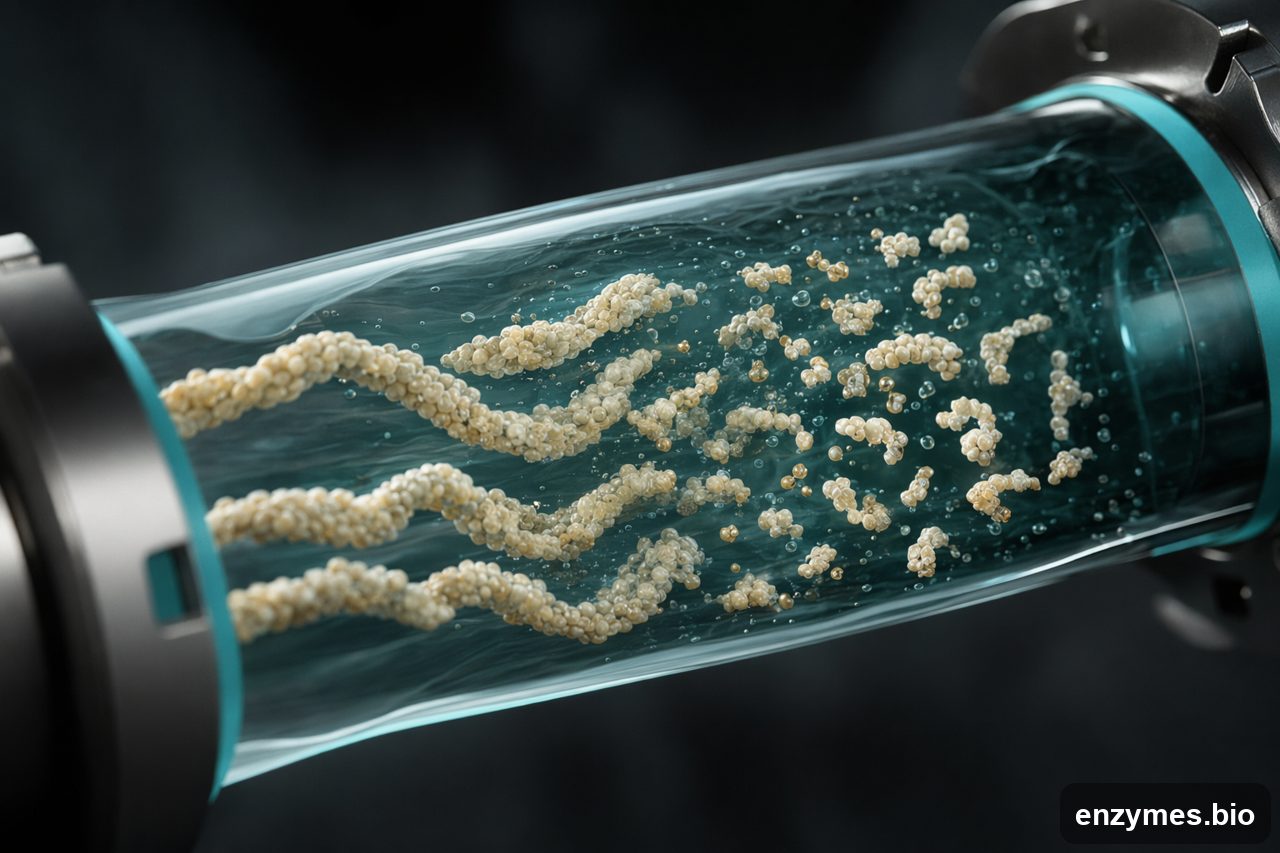
Many protein hydrolysis workflows are not limited by the enzyme alone. They are limited by what the rest of the formulation can tolerate.
Strong acid or strong alkali conditions may accelerate certain reactions, but they can also introduce operational penalties:
Neutral Protease is useful where the target is not aggressive digestion, but measured protein conversion under moderate process conditions.
Neutral Protease cleaves peptide bonds in proteins, reducing large protein structures into smaller peptides. In manufacturing terms, this can support:
The value is not only that hydrolysis occurs. The value is that it can be tuned through pH, temperature, contact time, enzyme inclusion, solids loading, mixing intensity, and endpoint control.
Neutral Protease is typically considered for workflows built around a mild to near-neutral pH profile. The exact setpoint should be validated against the substrate and required endpoint, but the practical design goal is clear: maintain proteolytic performance while avoiding severe pH excursions.
Common process variables to define during development include:
| Variable | Why it matters |
|---|---|
| Substrate protein type | Globular, fibrous, denatured, and insoluble proteins hydrolyze differently. |
| Solids level | Higher solids can slow diffusion and create mixing gradients. |
| Particle size | Smaller particles usually improve enzyme access. |
| pH control | Drift can change hydrolysis rate and batch reproducibility. |
| Temperature profile | Heat improves kinetics up to the point where stability becomes limiting. |
| Contact time | Longer exposure may increase conversion but can also alter taste, viscosity, or functionality. |
| Inactivation step | Defines endpoint and prevents continued proteolysis downstream. |
For plant transfer, the most important question is not “What is the maximum reaction rate?” It is “What condition gives the required conversion repeatedly, with the least rework?”
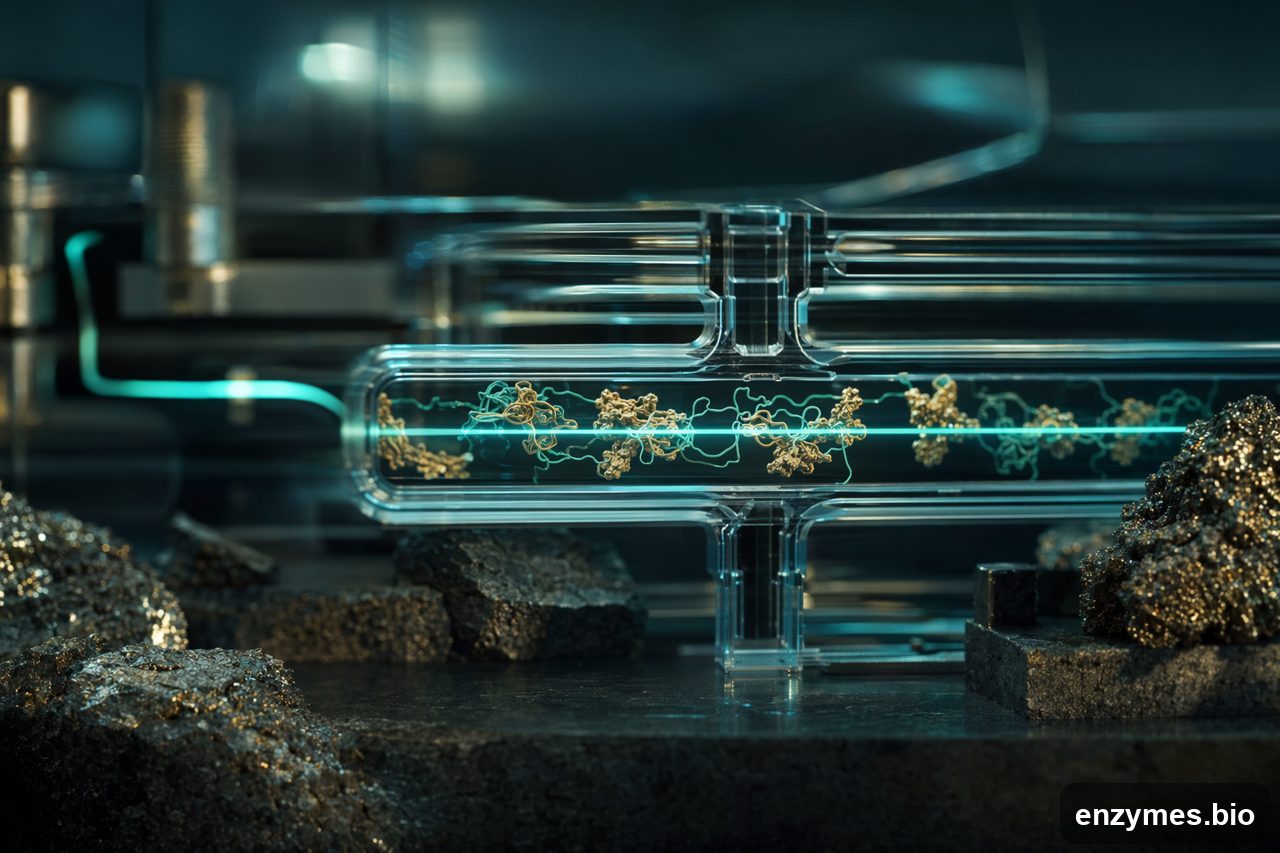
Neutral Protease can be used to modify proteins in plant protein extracts, yeast-derived ingredients, animal protein streams, dairy-adjacent protein systems, and savory or peptide-rich intermediates. Mild pH processing can help preserve sensory balance and reduce the amount of correction chemistry needed after hydrolysis.
Typical objectives include:
For feed and pet nutrition processors, Neutral Protease can support pre-hydrolysis or protein conditioning where digestibility, palatability, or process handling is important. Mild pH operation is often useful when working with mixed raw materials that contain minerals, fats, carbohydrates, or heat-sensitive compounds.
In fermentation-related workflows, Neutral Protease may be used for protein breakdown, nutrient preparation, clarification support, or biomass treatment. Near-neutral operation can be advantageous when the hydrolysate must remain compatible with downstream biological systems.
Neutral proteolysis can be selected where protein modification is needed without the aggressiveness of alkaline protease systems. It may support controlled softening, cleaning, or conditioning steps where substrate integrity matters.
Define what success means before adding enzyme:
Neutral Protease should be dosed against an endpoint, not simply added at a fixed habit rate.
A practical screening design usually compares enzyme inclusion, temperature, pH, contact time, and substrate solids. For initial trials, many teams begin with low product-based inclusion rates and increase stepwise until the process endpoint is reached within the planned hold time. The optimal range depends heavily on substrate accessibility and the required conversion level.
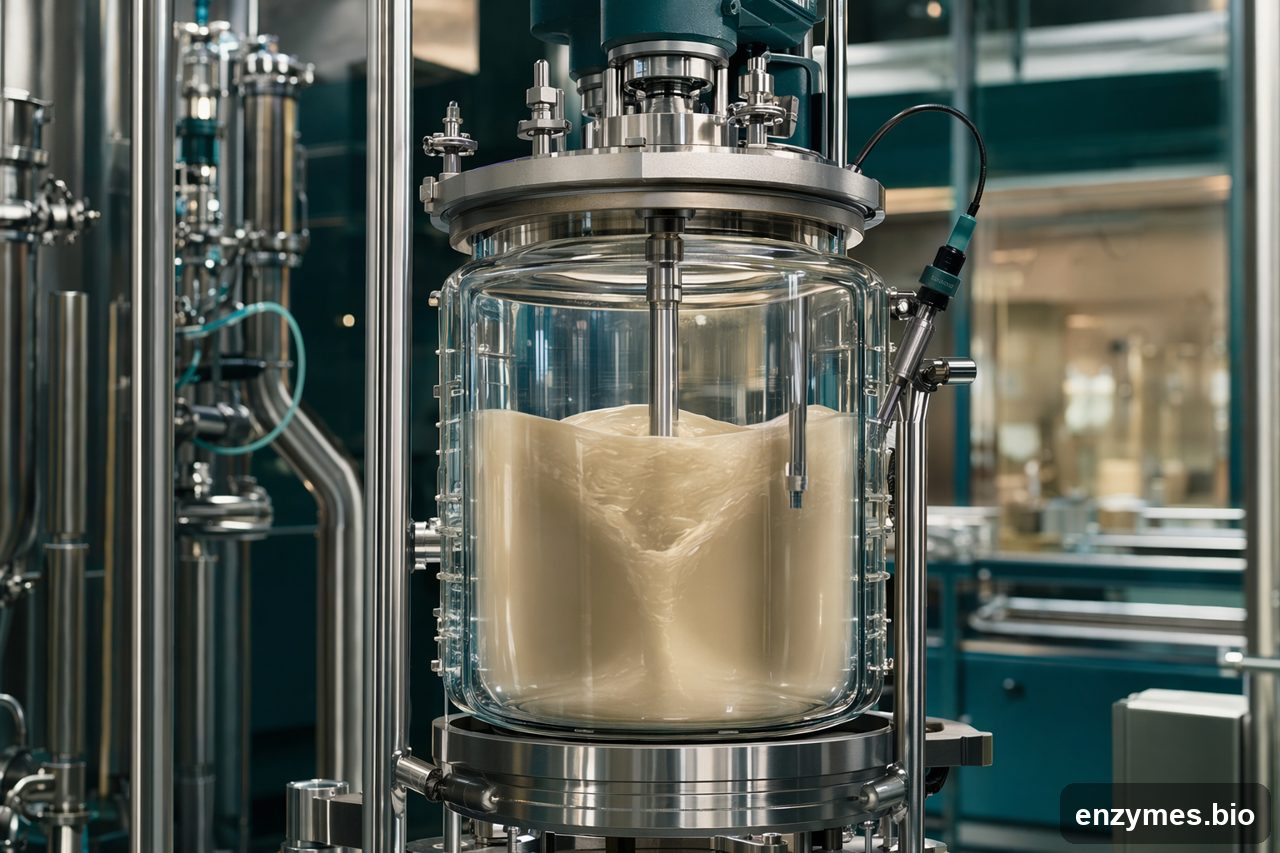
A typical development sequence:
If hydrolysis is uneven, adding more enzyme may not solve the problem. High-solids slurries can create local concentration gradients, poor heat distribution, and substrate zones that the enzyme cannot access. Before increasing inclusion, check:
Consistent hydrolysis usually starts with consistent contact.
Neutral Protease remains a processing aid only if its action is controlled. A validated endpoint step is essential when the hydrolysate moves into storage, blending, fermentation, drying, or final formulation.
Common stop strategies may include heat treatment, pH movement outside the effective range, rapid cooling with short residence time, separation, or a combined approach. The right choice depends on product format, thermal tolerance, and downstream requirements.
Neutral Protease performance can be affected by the surrounding formulation. During development, review:
If the process uses multiple enzymes, sequence matters. In some workflows, neutral protease is added before carbohydrases or lipases to open the matrix. In others, it is added after viscosity reduction so protein sites become more accessible. The correct order should be confirmed empirically.
For B2B sourcing, the best Neutral Protease supply is not only about enzyme concentration. It is about lot consistency, documentation, and operational fit.
Aequion recommends confirming:
Quality documentation should be practical for procurement and QA review: certificate of analysis, specification sheet, safety documentation, and application guidance suitable for internal qualification.
As with most industrial enzymes, Neutral Protease should be handled to minimize dust exposure, moisture uptake, and unnecessary heat exposure. Keep containers closed when not in use, store under recommended conditions, and avoid introducing enzyme powder directly into turbulent air streams.
For production teams, operator safety and batch consistency are linked. Good handling reduces exposure risk and protects enzyme performance during the full use period.
| Observation | Likely area to investigate |
|---|---|
| Hydrolysis is slower than expected | pH drift, temperature loss, substrate accessibility, enzyme age, inhibitors, poor mixing |
| Batch-to-batch variation | raw material protein variability, solids variation, probe calibration, addition timing, incomplete hydration |
| Excess bitterness or over-hydrolysis | contact time too long, inclusion too high, endpoint not stopped quickly enough |
| Viscosity remains high | non-protein viscosity contributors, insufficient particle breakdown, poor enzyme access, high solids |
| Downstream filtration issues | over-fine particles, emulsion formation, incomplete inactivation, insoluble minerals or fibers |
Choose Neutral Protease when the process needs a balanced reaction environment, when the formulation cannot tolerate pH extremes, or when downstream correction costs matter. It is often the more practical choice when hydrolysis is part of a broader manufacturing workflow rather than an isolated lab reaction.
It may not be the right primary enzyme when the process is intentionally acidic or strongly alkaline, when extreme protein breakdown is required, or when the substrate is only accessible after severe denaturation. In those cases, another protease class or a staged enzyme system may be better.
If your team is evaluating Neutral Protease for a mild pH workflow, Aequion can help frame the process variables, documentation needs, and commercial supply path.
Use the form below to request a quote, get pricing, or discuss an application trial.
Tell us your application and target volume — our team replies with pricing, lead time, and the current specification sheet.