Reference
Liquid vs Powder Neutral Protease: Practical Buying Considerations
Compare liquid and powder Neutral Protease formats for storage, dosing, shipping, safety, validation, and procurement planning.
Reference
Compare liquid and powder Neutral Protease formats for storage, dosing, shipping, safety, validation, and procurement planning.
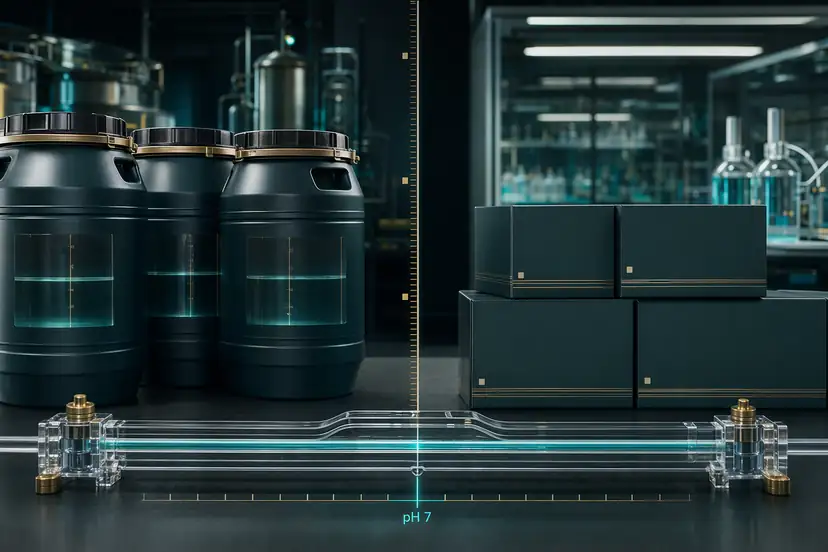
Format is not a cosmetic choice. For Neutral Protease, liquid and powder presentations change how the enzyme is stored, introduced, controlled, shipped, and qualified at production scale.
This guide is written for procurement, operations, and formulation teams comparing formats before quoting, trialing, or standardizing a supply program.
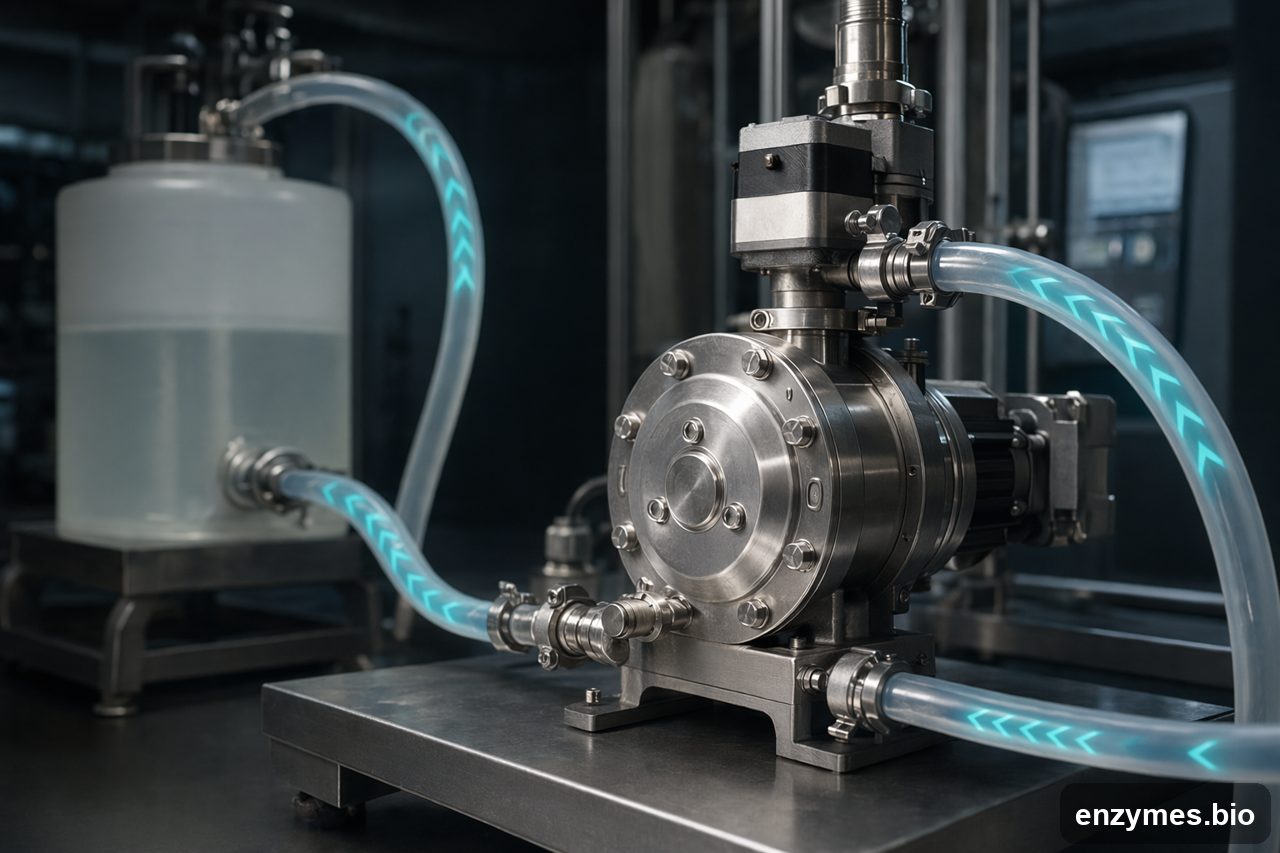
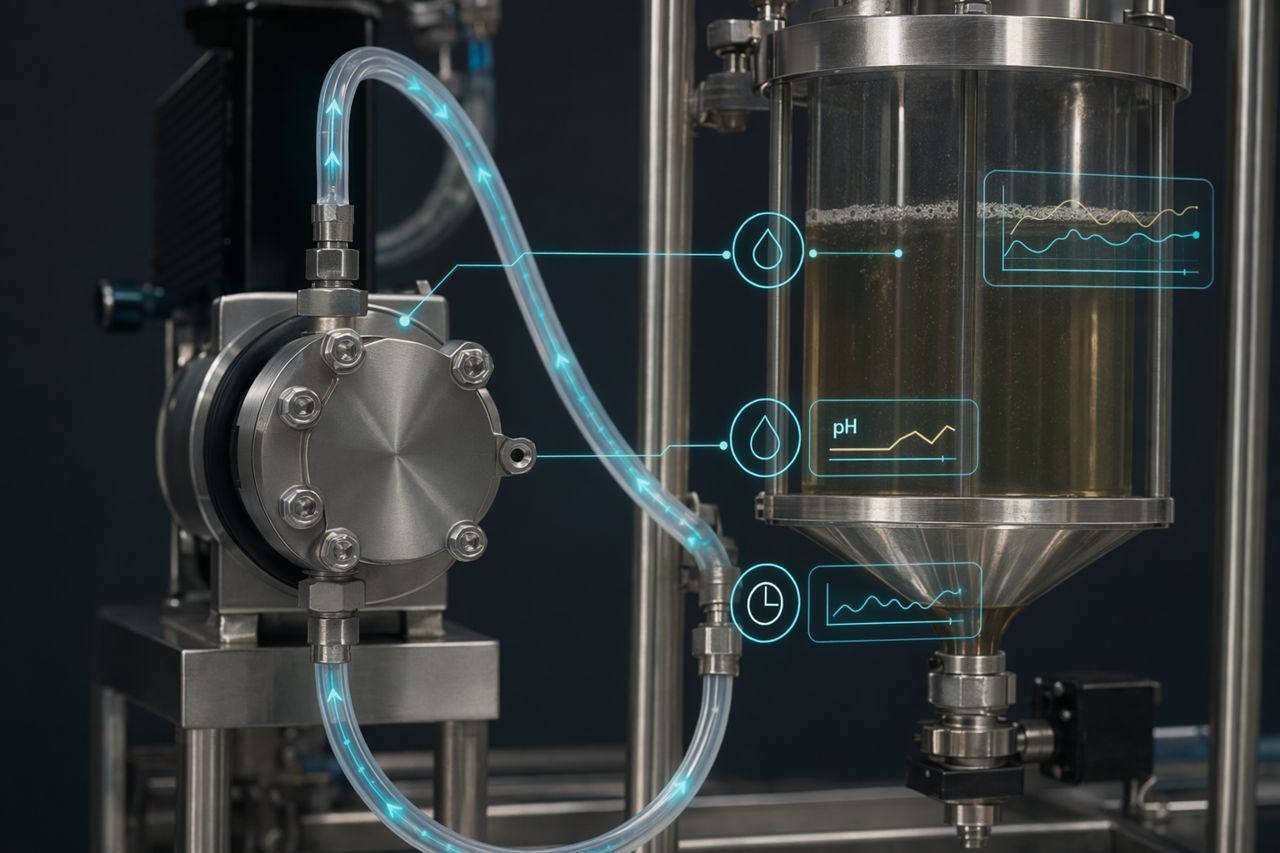
Choose liquid Neutral Protease when your process favors closed transfer, pump dosing, fast dispersion, and reduced airborne enzyme exposure.
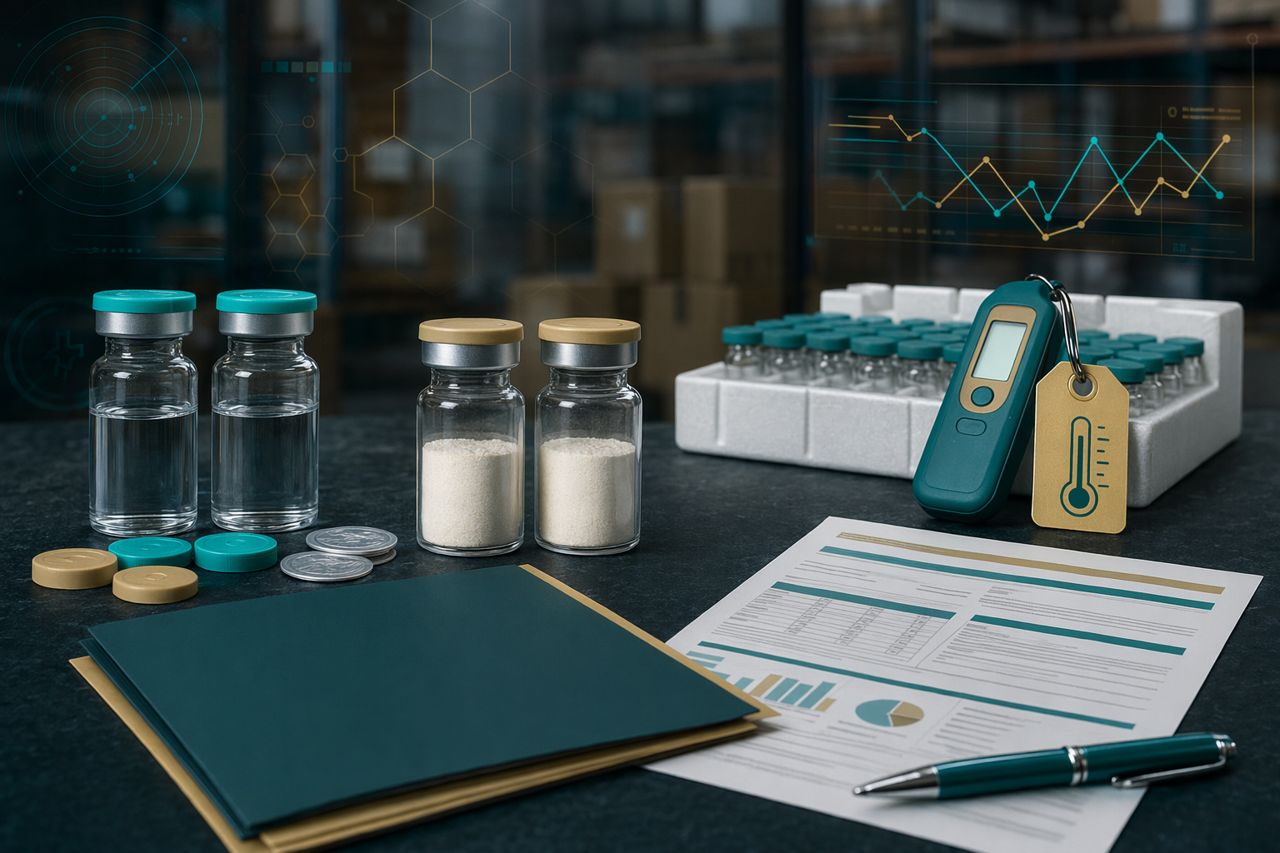
Choose powder Neutral Protease when your priorities are freight efficiency, storage density, flexible dry blending or premix preparation, and reduced water content in the delivered material.
In many B2B programs, the right answer is not universal. The better choice is the one that fits your dosing infrastructure, warehouse conditions, operator controls, regulatory documentation needs, and total landed cost.
Liquid format is typically selected for processes where speed, containment, and dosing repeatability matter.
Common advantages:
Operational considerations:
Powder format is often preferred when storage density, international shipping efficiency, or dry premix flexibility is central to the buying decision.
Common advantages:
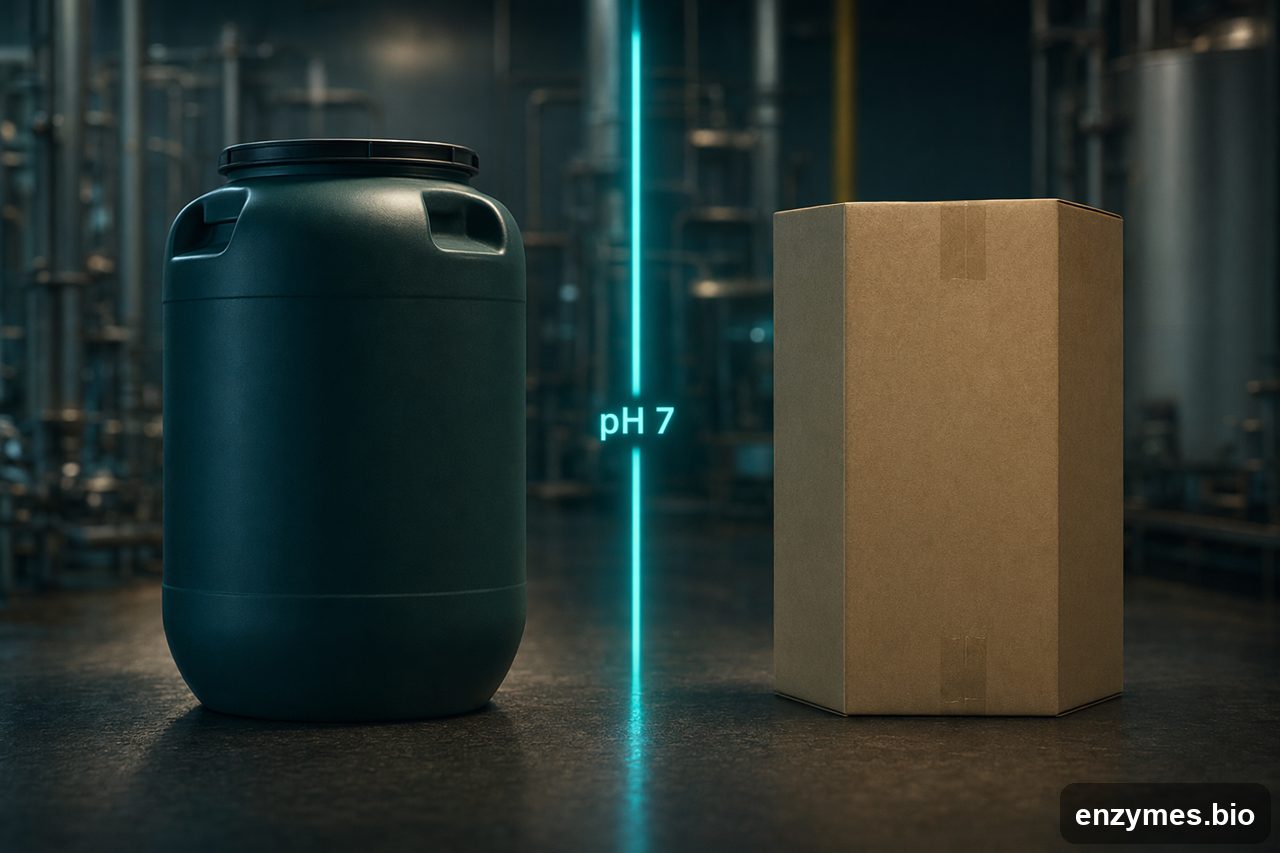
Operational considerations:
For both formats, the goal is controlled storage rather than heroic storage.
Neutral Protease should be protected from avoidable stress: excessive heat, uncontrolled moisture, incompatible chemicals, and repeated opening of primary containers. Liquid material should not be allowed to freeze unless the supplier specifically qualifies that condition. Powder material should remain sealed, dry, and protected from humid air.
Procurement should confirm:
Do not assume liquid and powder versions age the same way. Qualification should be format-specific.
Neutral Protease is selected for proteolysis near neutral process conditions. In practical production, the result is controlled by more than the enzyme itself.
Key control points include:
Liquid format is usually dosed by calibrated pump, weigh addition, or metered transfer. Confirm pump compatibility, line hold-up, container emptying behavior, and whether viscosity changes at storage temperature affect delivery accuracy.

Powder format is usually dosed by pre-weighing, loss-in-weight feeding, or slurry preparation. Confirm dust containment, wet-in behavior, lump prevention, and whether the powder fully disperses before the critical reaction period begins.
A practical rule: do not convert between liquid and powder by label concentration alone. Run a side-by-side performance comparison in the actual substrate and process window.
The invoice price is only one part of the decision. Format affects freight, packaging, documentation, and warehouse handling.
For international buying, request documentation before placing the first production order. At minimum, align on safety data sheet, certificate of analysis, technical data sheet, country of origin, packaging declaration, shelf-life statement, and change notification process.
A clean purchasing file reduces delays when a formulation is ready to scale.
Ask for:
Aequion can support format comparison without disclosing trader-confidential assay methods or activity-unit conversions. Buyer qualification should focus on process performance, consistency, documentation, and handling fit.
| Decision point | Liquid Neutral Protease | Powder Neutral Protease |
|---|---|---|
| Dosing workflow | Best for pump or weigh-tank addition | Best for pre-weighing, dry blending, or slurry preparation |
| Operator exposure | Lower dust burden | Requires dust control and enzyme handling procedures |
| Dispersion | Fast in aqueous systems | Requires validated wet-in or dissolution step |
| Freight efficiency | Lower, because water is shipped | Higher, due to concentrated dry format |
| Warehouse needs | Liquid-compatible storage and spill planning | Dry, sealed, humidity-controlled storage |
| Automation fit | Strong fit for closed liquid dosing | Strong fit where powder feeders or premix stations exist |
| Rework risk | Linked to pump calibration, hold-up, and temperature | Linked to dust loss, caking, and incomplete dispersion |
| Best use case | Continuous or semi-automated aqueous processing | Export-heavy supply chains, dry premixes, and storage-dense programs |
Before requesting pricing, prepare the information that actually affects format selection:
Clear input produces a cleaner quote and a more useful technical recommendation.
For a fair comparison, trial liquid and powder formats under matched production-relevant conditions.
Use the same substrate, solids level, pH target, temperature profile, mixing setup, and contact time. Measure the end-use outcome that matters to your process, such as hydrolysate profile, viscosity change, filtration behavior, yield, texture, or downstream processing performance.
Capture handling data as well:
A technically strong format is one that performs well and is easy for the site to control repeatedly.
Tell us how your site stores, doses, and ships enzyme materials. Aequion will respond with a format recommendation and pricing path for Neutral Protease aligned to your operating conditions.
Tell us your application and target volume — our team replies with pricing, lead time, and the current specification sheet.