Reference

Neutral Protease Powder Handling & Storage Basics

Practical handling, storage, batching, and traceability guidance for neutral protease powder used in industrial production environments.

Industrial-grade supply Multi-application formulation Batch documentation on request Global logistics, 180+ countries
01

Technical Overview

Neutral Protease Powder Handling and Storage Basics

Neutral Protease, also called Neutral Proteinase, is a process enzyme used where controlled protein hydrolysis is needed under near-neutral conditions. In powder form, it is efficient to ship, store, and dose, but it should be treated as a functional production input rather than a general commodity powder.

This guide is written for procurement, warehouse, QA, formulation, and production teams planning incoming inspection, storage, internal transfer, and batch use.
Neutralprotease — handling storage

What matters most in storage

Neutral Protease powder is affected primarily by moisture, heat exposure, and repeated opening. Good storage practice protects the enzyme’s physical flow, dispersion behavior, and in-process consistency.

Recommended storage principles

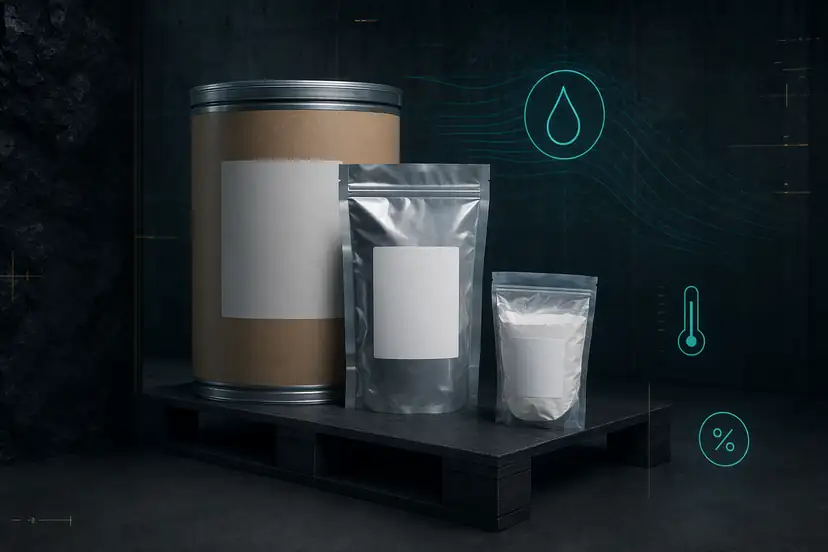
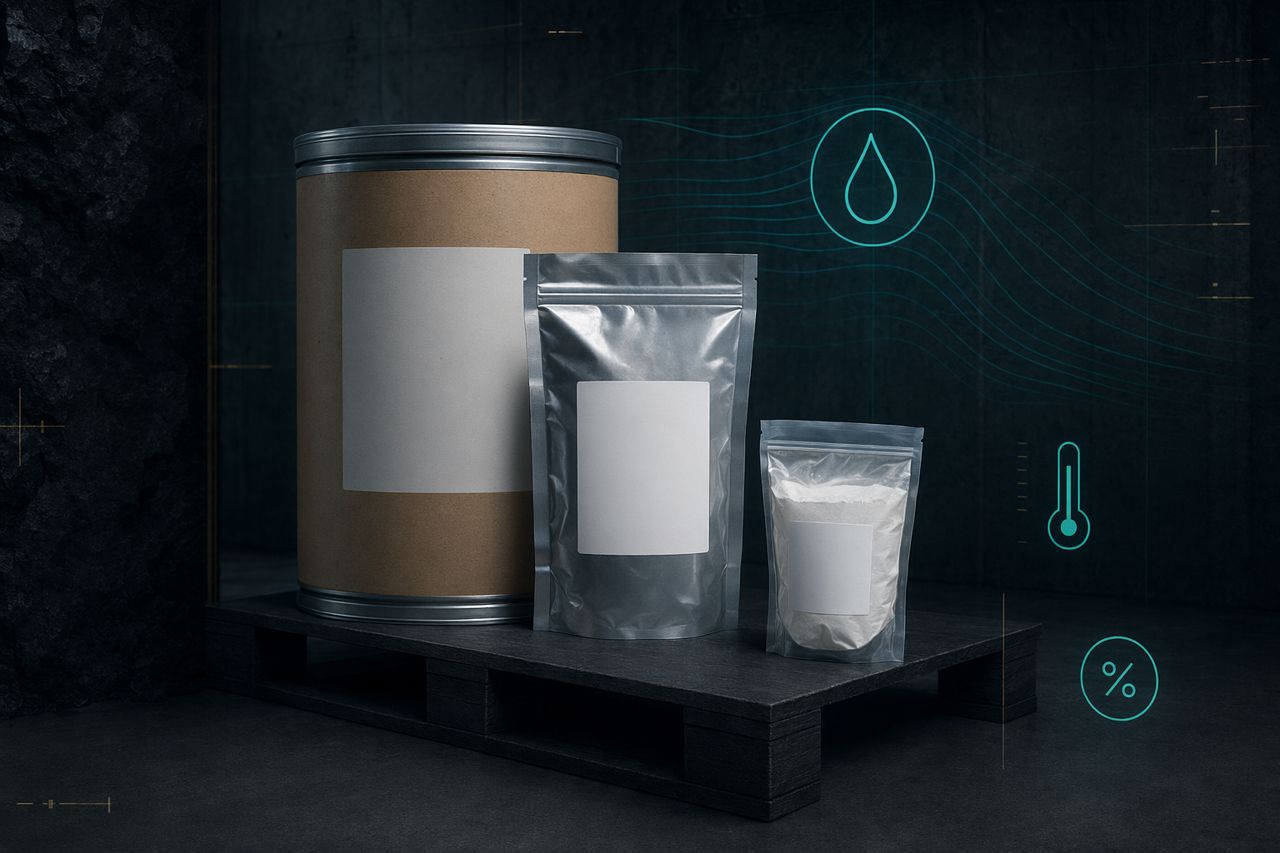
  • Store in the original sealed packaging until required for production.
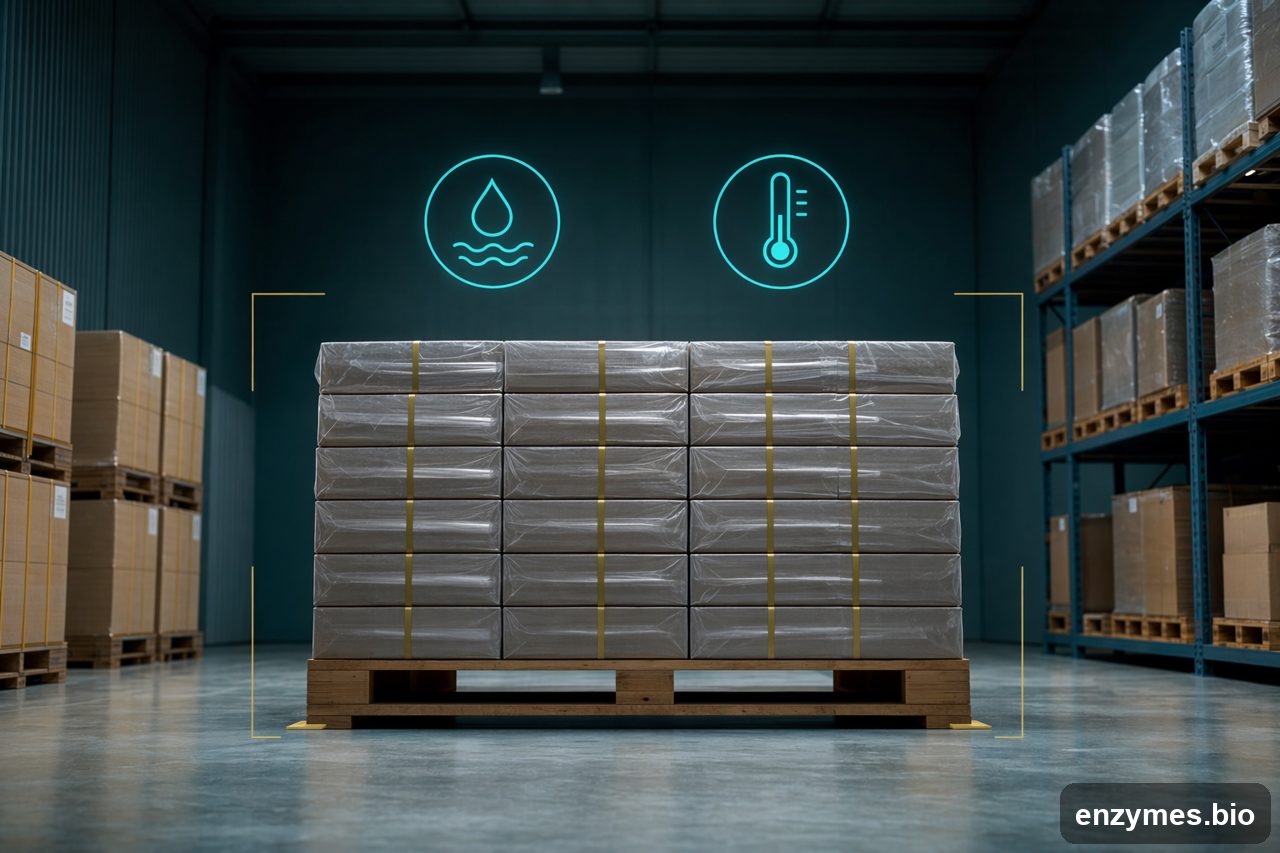
  • Keep in a cool, dry, well-ventilated warehouse area.
  • Protect from direct sunlight, radiant heat, steam lines, and condensation points.
  • Avoid storage beside strong acids, strong alkalis, oxidizing agents, or high-odor materials.
  • Keep packaging off the floor and away from walls where temperature swings or dampness are more likely.
  • Apply first-in, first-out rotation by lot.
  • Keep lot identification, certificate, and receiving records accessible for traceability.

Moisture control is critical

Moisture exposure can cause caking, uneven feeding, difficult dispersion, and gradual performance loss. Once a pack is opened, the material should be closed promptly after use with a clean, dry closure system.

For frequent production use, consider controlled dispensing into smaller internal containers that are clean, dry, clearly labeled, and used within a defined plant procedure.

Receiving and warehouse checks

At incoming inspection, confirm the shipment against purchase documents before release to production.

Recommended checks include:

  • Product name and grade
  • Lot or batch number
  • Net weight and package count
  • Packaging integrity
  • Certificate of analysis availability
  • Safety data sheet availability
  • Any visible signs of moisture, leakage, tearing, or compression damage

If packaging is damaged or powder appearance is abnormal, quarantine the lot and contact Aequion before use.

Handling during weighing and batching

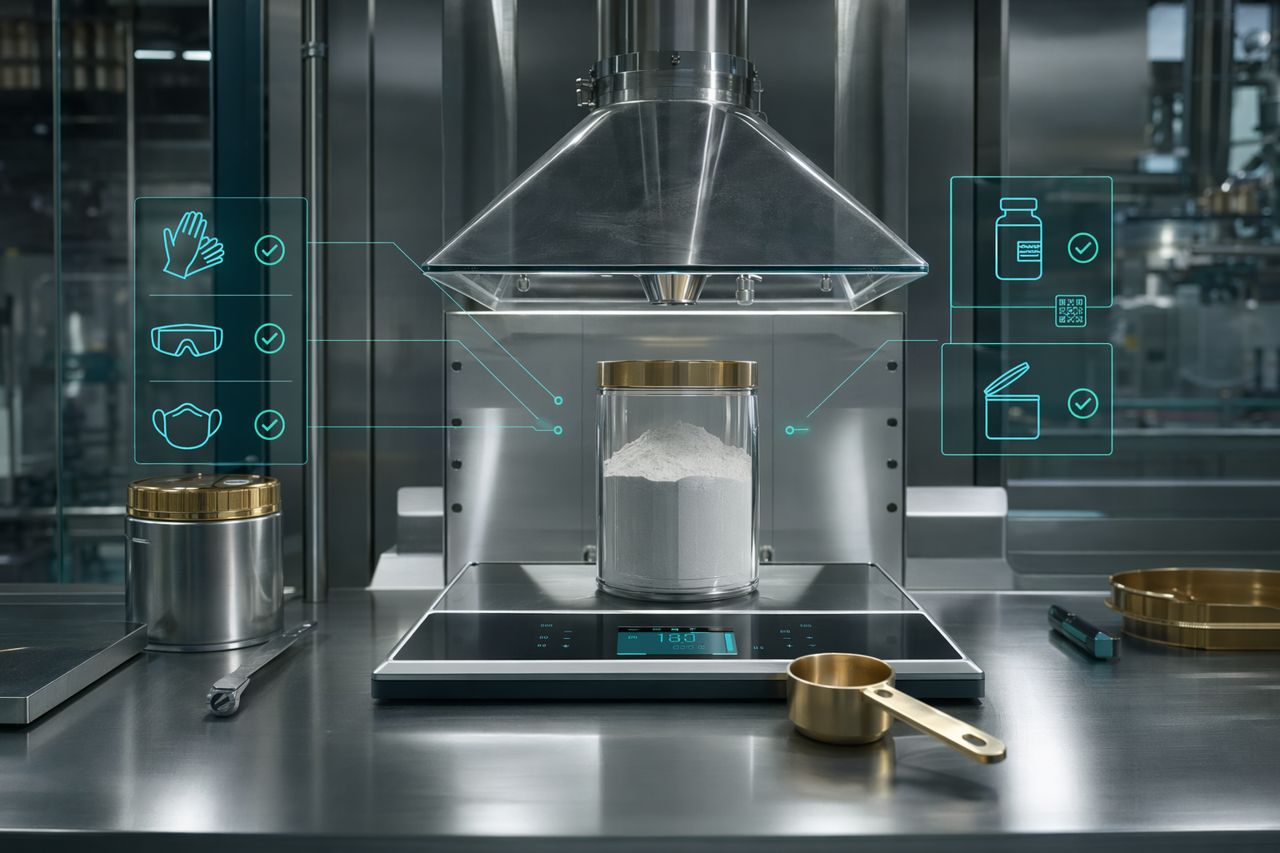
Neutral Protease powder should be handled in a way that limits dust release, avoids contamination, and supports repeatable dosing.
Neutralprotease — handling storage

Practical handling controls

  • Open containers only in designated weighing or batching areas.
  • Use local extraction or dust control where plant procedures require it.
  • Wear appropriate PPE according to the safety data sheet and site policy.
  • Avoid breathing dust or aerosols during charging, transfer, or cleanup.
  • Use clean, dry scoops, liners, and contact surfaces.
  • Close the primary package immediately after dispensing.
  • Do not return unused exposed material to the original container unless your QA procedure specifically allows it.

Addition to process liquids

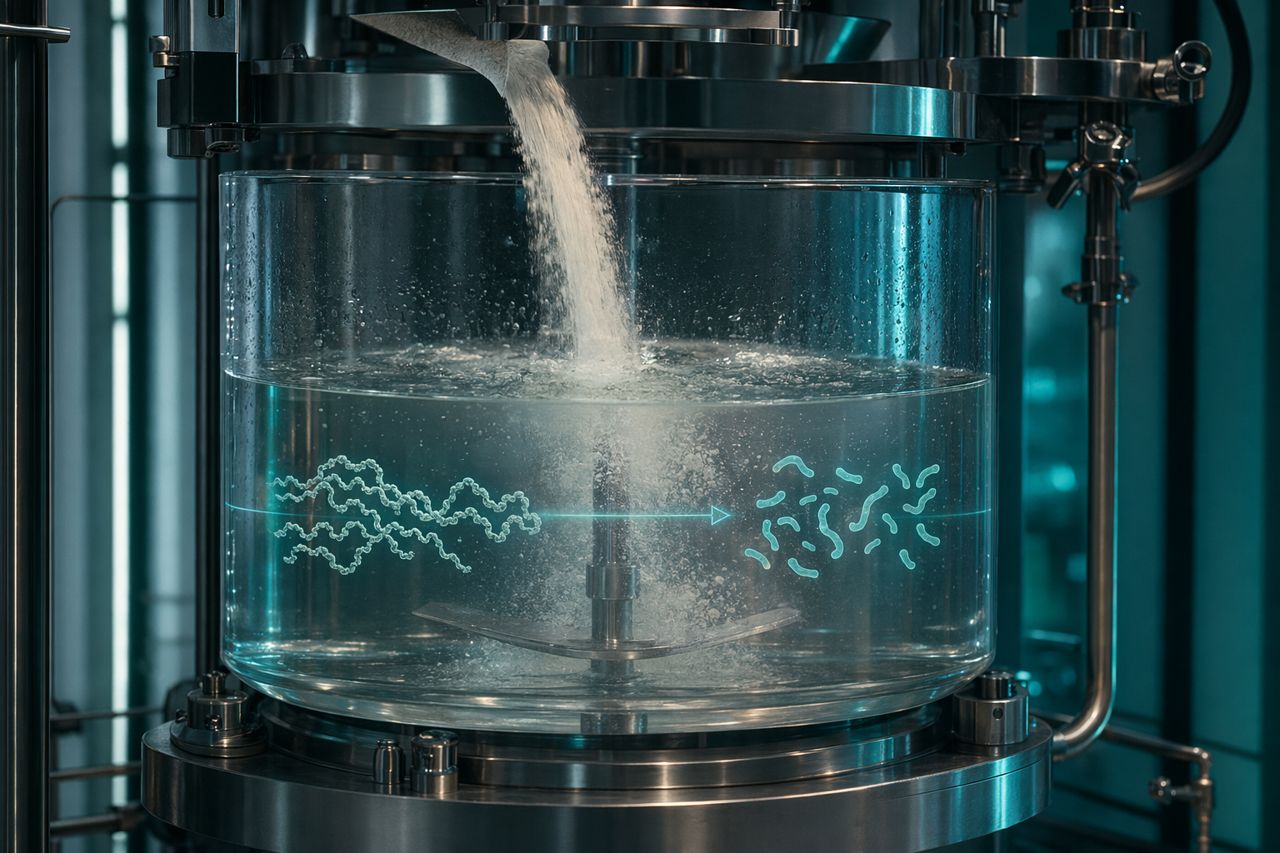
For best incorporation, neutral protease powder is usually introduced under controlled mixing rather than dumped into stagnant liquid. The goal is to wet and disperse the powder evenly before localized clumps form.

General production guidance:

  • Add into an approved liquid phase with adequate agitation.
  • Avoid direct contact with concentrated acid, alkali, oxidizer, or solvent streams.
  • Avoid local hot spots during addition.
  • Add within the process pH and temperature window defined for the formulation.
  • Confirm that downstream hold time, heat treatment, or inactivation steps match the process design.

Dosage guidance for formulation teams

Neutral Protease dosing should be set by application trials, not by a generic label claim. The useful dose depends on substrate protein, solids content, pH, temperature, contact time, salt level, desired peptide profile, and the point at which the enzyme is added.

A practical development sequence is:

  1. Define the target: solubility increase, viscosity reduction, flavor development, clarification, yield improvement, or another measurable process outcome.
  2. Select a starting dose basis tied to your substrate and process mass balance.
  3. Run a small matrix across dose, contact time, and process temperature.
  4. Track the production-relevant result, not only laboratory response.
  5. Confirm scale-up behavior in the actual mixing and heat-transfer environment.
  6. Lock the batch instruction only after QA, production, and formulation teams agree on the operating window.

Aequion can support dose-range discussion based on your substrate and production objective without requiring disclosure of proprietary formulation details.

Compatibility considerations

Neutral Protease is selected for work near neutral pH, but the total process environment still matters.

Review these factors before committing to production:
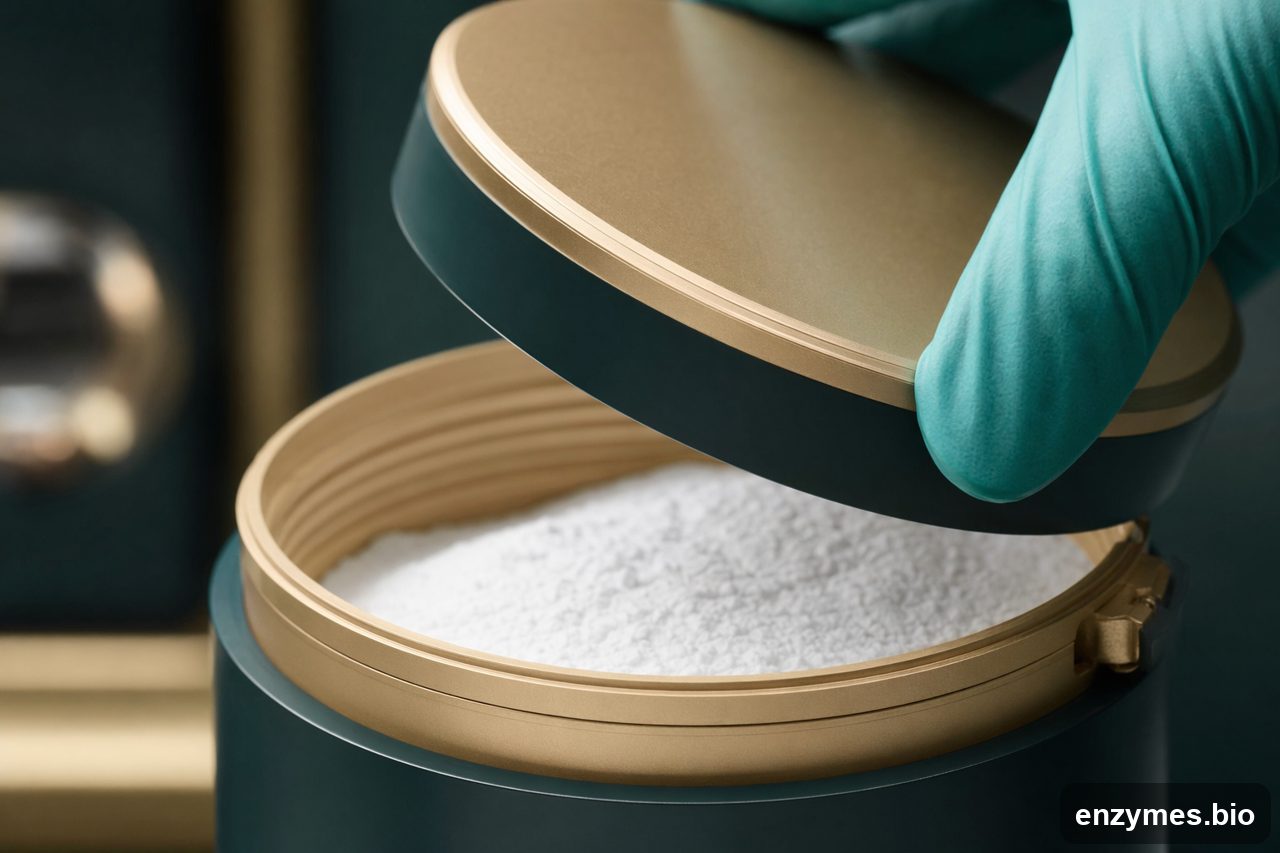
Neutralprotease — handling storage
  • Process pH profile before, during, and after enzyme addition
  • Temperature history, including pre-heating and holding steps
  • Salt and mineral concentration
  • Preservatives or antimicrobial systems
  • Cleaning carryover risk
  • Shear and mixing pattern
  • Enzyme contact time before inactivation or separation
  • Final product specification and regulatory requirements

If a process includes strong pH excursions, aggressive oxidizers, or high-temperature holds before the enzyme has completed its role, performance may be reduced.

Shelf-life management

Shelf life depends on packaging condition, storage environment, and frequency of opening. The best approach is to manage each lot as a traceable production input.

Recommended controls:

  • Record the receiving date and first-opened date.
  • Keep opened containers tightly closed between uses.
  • Minimize the number of open containers in circulation.
  • Avoid prolonged exposure in humid weighing rooms.
  • Use opened material within the internal timeframe set by QA.
  • Review older lots before use in sensitive formulations.

Do not blend questionable material into production to avoid waste. If there is uncertainty, hold the lot and request technical review.

Safety and plant hygiene

Enzyme powders can create airborne dust during handling. Exposure controls should be planned before the first production batch.

Typical plant expectations include:

  • Trained operators for enzyme handling tasks
  • PPE aligned with the SDS and site risk assessment
  • Controlled transfer to reduce dust generation
  • Dry cleanup methods that avoid aerosolizing residues
  • Clear segregation from incompatible chemicals
  • Spill procedures that prevent material from entering drains unless approved by site policy

Always follow your local regulations, internal safety procedures, and the current safety data sheet.

Documentation for QA and production repeatability

For every production use, capture the variables that affect hydrolysis performance. This helps reduce troubleshooting time and supports scale-up.

Recommended batch records include:

  • Aequion product name and lot number
  • Quantity used and dose basis
  • Substrate lot or raw material reference
  • Addition point and mixing condition
  • pH and temperature profile
  • Contact time
  • Inactivation, separation, or downstream control step
  • Operator observations such as foaming, clumping, viscosity change, or feed-rate variation

Good records make neutral protease easier to control across different shifts, raw material lots, and production sites.

When to contact Aequion

Contact Aequion before purchase or scale-up if you need to confirm:

  • Packaging format suitability
  • Warehouse storage conditions
  • Handling procedure for frequent opening
  • Powder dispersion approach
  • Process pH and temperature compatibility
  • Dose-development strategy
  • Documentation required for supplier approval

Request a quote or handling guidance

Use the form below to request pricing, documentation, or process-specific handling support from Aequion.
Neutral Protease Powder Handling & Storage Basics | AequionNeutral Protease Powder Handling & Storage Basics | AequionNeutral Protease Powder Handling & Storage Basics | Aequion
02

More from Aequion

03

Request pricing & specification

Tell us your application and target volume — our team replies with pricing, lead time, and the current specification sheet.

  • Response timeWithin 1 business day
  • DocumentationCoA, SDS, spec sheet on request
  • Minimum orderFrom 1 kg trial size