Reference
Bulk Neutral Protease Buying Guide
A buyer-focused guide to specifying, qualifying, and purchasing bulk Neutral Protease for industrial protein hydrolysis and neutral-pH processing.
Reference
A buyer-focused guide to specifying, qualifying, and purchasing bulk Neutral Protease for industrial protein hydrolysis and neutral-pH processing.
Neutral Protease, also called Neutral Proteinase, is specified when a process needs controlled protein hydrolysis near neutral pH without the harsher conditions associated with strongly acidic or alkaline systems. For procurement teams, the buying decision is not simply “which enzyme is strongest.” It is whether the product fits the substrate, process window, documentation expectations, packaging format, and repeat-order reliability required for commercial production.
This guide explains how to evaluate bulk Neutral Protease before requesting pricing, qualifying a supplier, or moving into a pilot purchase.

Neutral Protease catalyzes the hydrolysis of peptide bonds in proteins, converting larger protein structures into smaller peptides and amino acid fractions. In practical terms, it helps reduce viscosity, improve solubility, modify texture, accelerate protein breakdown, or generate controlled hydrolysates.
It is commonly evaluated for:
The key commercial advantage is process balance: effective protein cleavage while operating in a moderate pH zone that may protect sensitive ingredients, equipment compatibility, and downstream product characteristics.
Before comparing offers, define the process conditions where the enzyme must perform. Neutral Protease selection should be based on the real operating environment, not an isolated brochure claim.
A technically aligned quote depends on these inputs. If the process window is unclear, request a sample suitable for bench screening before committing to a larger bulk order.
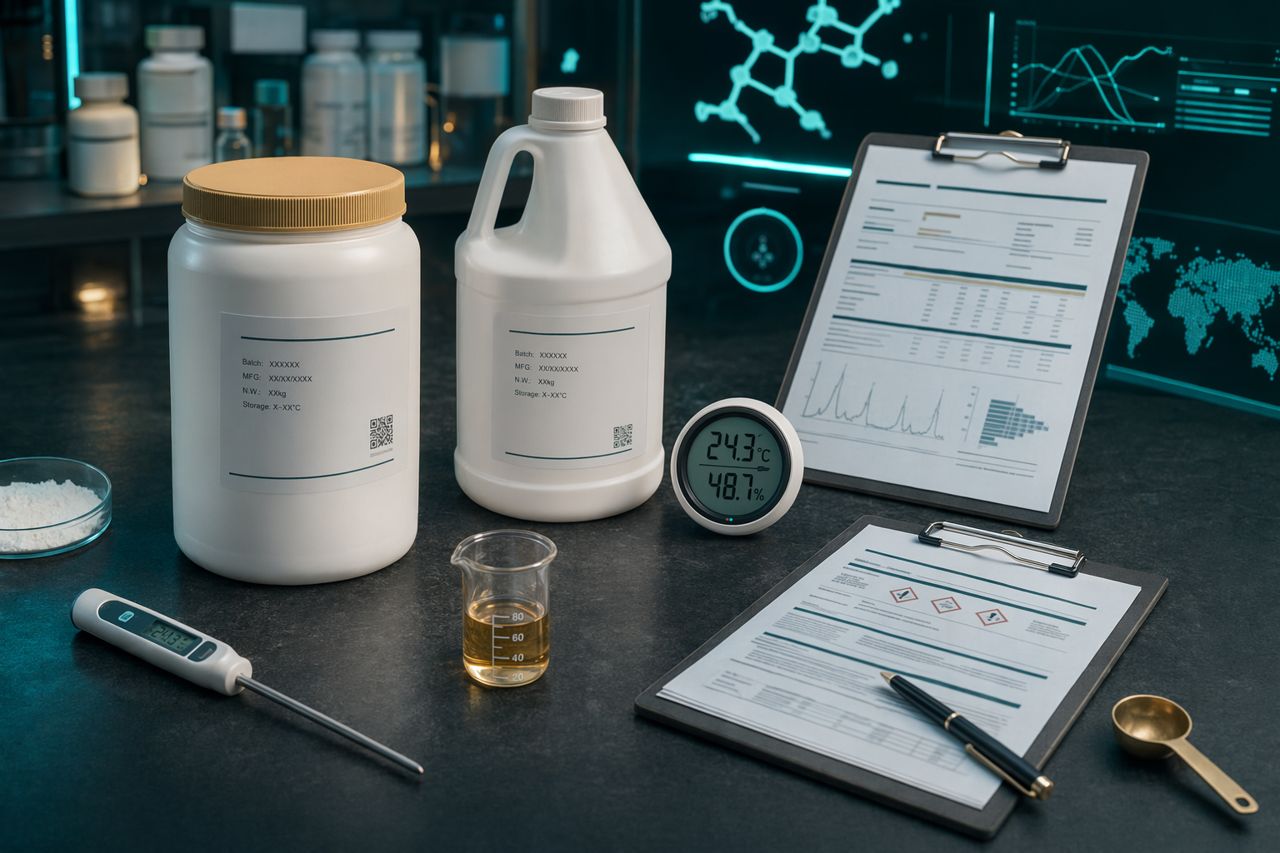
Neutral Protease is commonly supplied as either a powder formulation or a liquid formulation. The right choice depends on handling, storage, mixing, dosing precision, and plant hygiene requirements.
Powder products are often preferred when customers need longer storage convenience, concentrated logistics, or dry-blend compatibility. They may be easier to ship and store, but require good dust-control and controlled addition practices.
Best fit when:
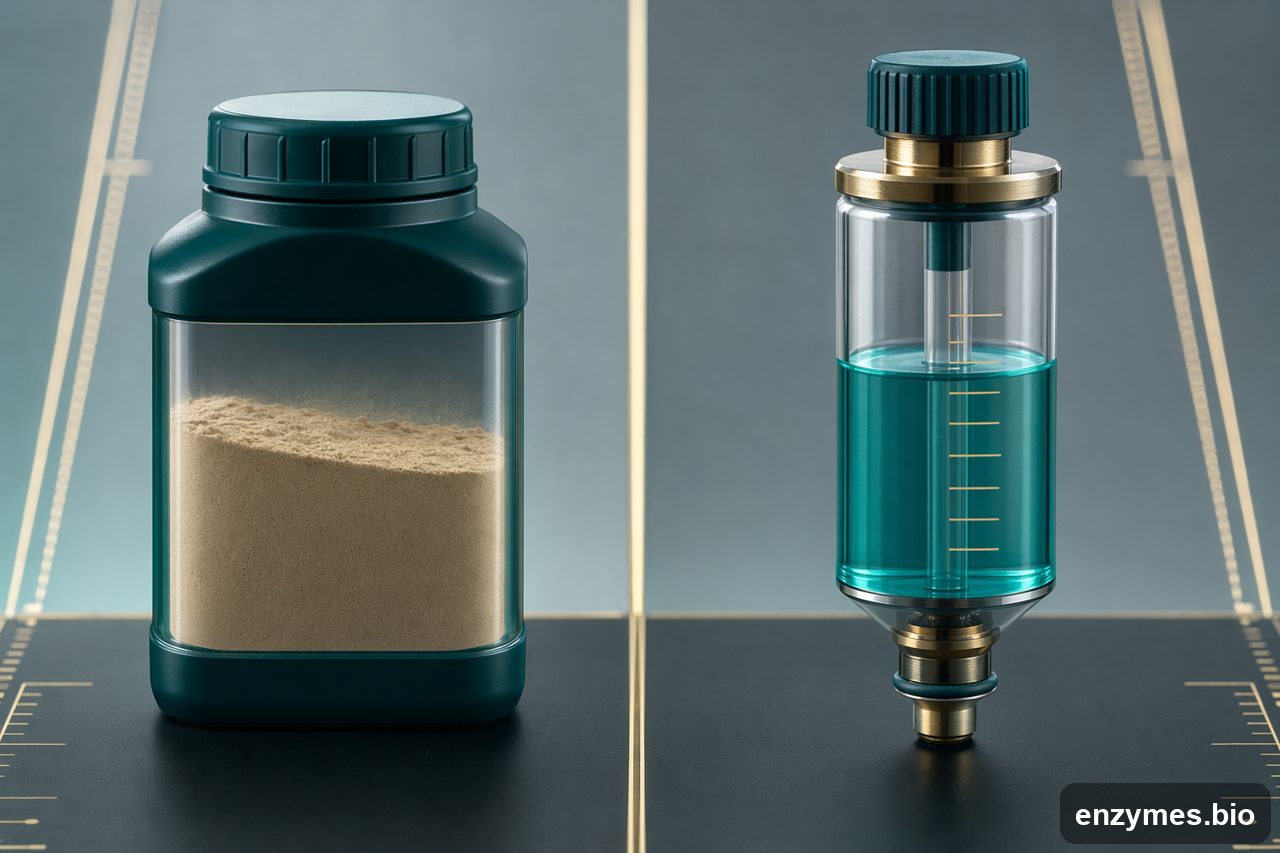
Liquid products are often preferred for metered dosing, rapid dispersion, and closed handling systems. They can simplify automated process integration, but storage conditions and preservative compatibility should be reviewed carefully.
Best fit when:
Neutral Protease dosage should be established by application testing, because performance depends on substrate accessibility, protein concentration, temperature, contact time, and the desired hydrolysis endpoint.
For first evaluation, use a bench ladder rather than a single trial point. A practical screening design normally compares:
Track outcomes that matter commercially, such as viscosity reduction, soluble nitrogen increase, peptide profile, filtration behavior, sensory impact, texture change, yield, or downstream processing time. The best dosage is usually the lowest addition level that delivers the required effect with adequate process margin.
Bulk enzyme purchases are only reliable when storage and transport conditions are realistic for the buyer’s site. Before ordering, confirm the recommended storage range, shelf-life expectation, packaging integrity, reseal requirements, and temperature exposure limits during freight.
Important checks include:
Do not evaluate price without storage economics. A lower-cost enzyme that loses performance during routine handling may create higher batch variability, more rework, and higher effective cost.
For B2B buying, documentation is part of the product. Ask for the technical and compliance package early, especially if the enzyme will be used in regulated, export-sensitive, or customer-audited production.
Typical documents may include:
The exact document set depends on the end use. Aequion’s role is to align the enzyme specification and documentation with the buyer’s intended application before scale-up.
A reliable supplier should be evaluated on more than price per kilogram. Bulk enzyme value depends on lot consistency, communication speed, formulation fit, technical support, and dependable fulfillment.
For industrial enzymes, the buying question is not only “Can we get material?” It is “Can we get the right material repeatedly, with the documentation and process support required to protect production?”
Neutral Protease should be compared by cost-in-use, not headline bulk price. A higher-quality formulation may reduce batch time, lower addition level, improve yield, or deliver more predictable hydrolysis. Conversely, a cheaper product may require higher addition, longer processing, tighter monitoring, or extra correction steps.
When comparing options, calculate:
Procurement, R&D, and production should review these factors together. The lowest purchase price is not always the lowest production cost.
Before moving from sample to bulk purchase, confirm that the enzyme works under plant-relevant conditions.
Use this checklist:
A well-run qualification reduces the risk of changing enzyme lots, formats, or suppliers after the process has already been commercialized.
Bulk buyers should align packaging with batch size and warehouse practice. Common procurement questions include whether the enzyme can be supplied in smaller qualification packs, production-scale packs, or repeat-order quantities matched to monthly consumption.
When requesting pricing, provide:
This helps avoid quoting a product that is technically suitable but commercially inefficient.
If you are qualifying bulk Neutral Protease for a new or existing process, share the application, substrate, target outcome, preferred format, and estimated volume. Aequion will respond with suitable product direction, documentation availability, and commercial pricing guidance.
Choose bulk Neutral Protease by matching the enzyme to the process window, documentation requirements, handling format, and cost-in-use target. For most buyers, the strongest purchasing position comes from a clear application brief, a disciplined bench screen, and early confirmation of quality documents and supply expectations.

Tell us your application and target volume — our team replies with pricing, lead time, and the current specification sheet.