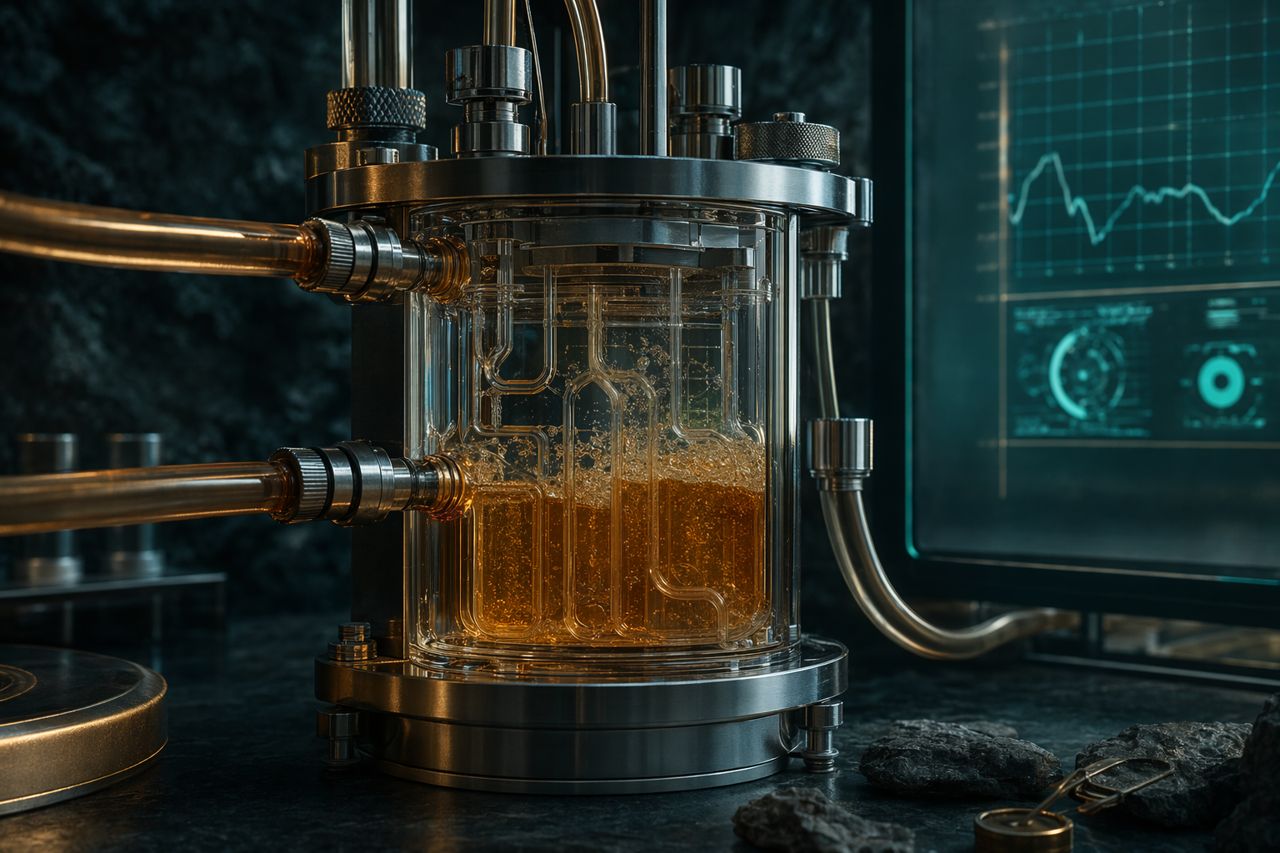
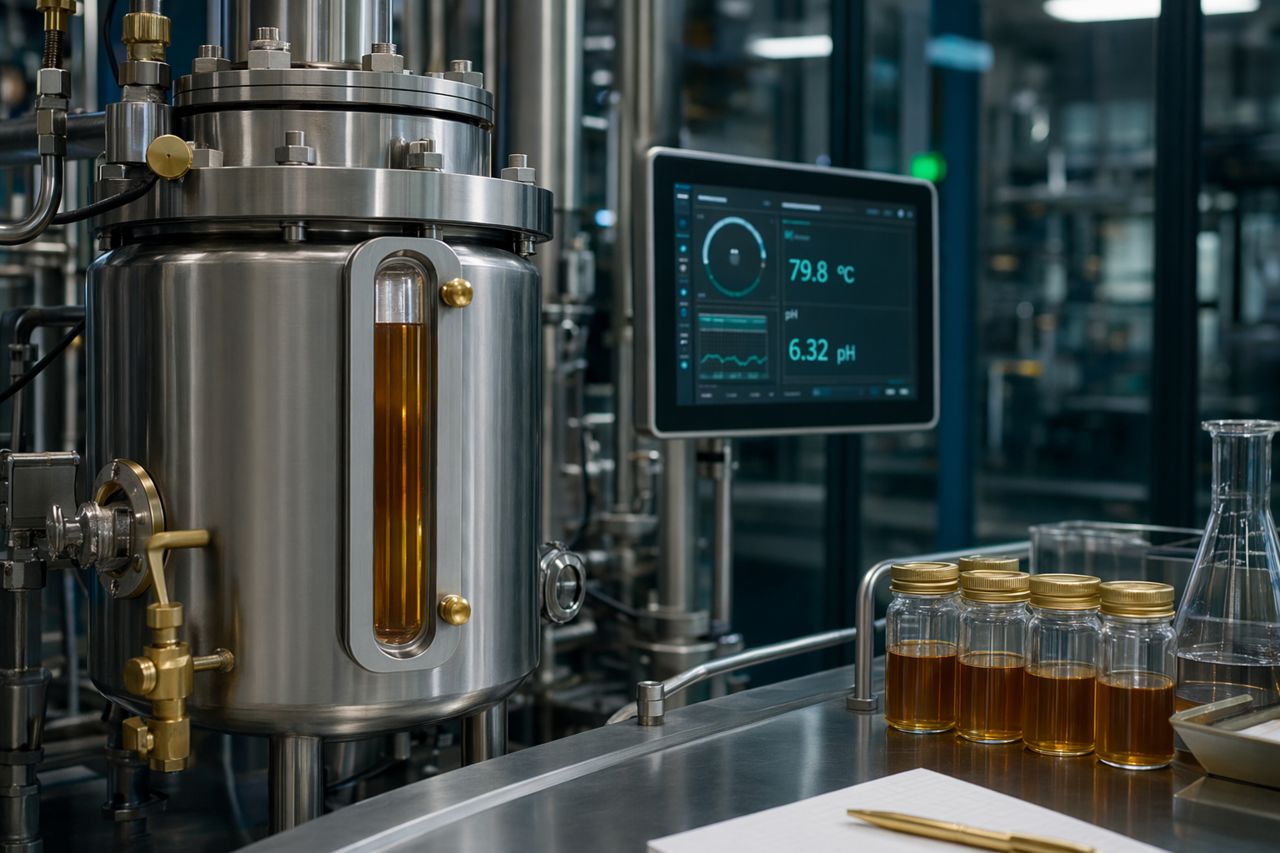
Neutral Protease for controlled protein hydrolysis in broth, meat, yeast, seafood, and umami-style seasoning systems, with process guidance for flavor yield, bitterness control, and batch consistency.
Industrial-grade supplyMulti-application formulationBatch documentation on requestGlobal logistics, 180+ countries
01
Technical Overview
Neutral Protease for Savory Flavor Development
Neutral Protease helps convert protein-rich raw materials into smaller peptides and amino-acid-rich fractions used in savory flavor bases, seasonings, reaction flavors, bouillons, meat notes, yeast extracts, seafood profiles, and umami-style systems.
Aequion positions Neutral Protease for manufacturers that need controlled hydrolysis without pushing the process into harsh alkaline or acidic conditions. It is selected when the target is clean peptide generation, manageable bitterness, stable process handling, and repeatable sensory contribution across industrial batches.
Why neutral protease is used in savory systems
Flavor developers often start with complex proteins: soy, wheat gluten, pea protein, yeast biomass, meat trimmings, fish protein, collagen-containing materials, or mixed fermentation-derived substrates. These proteins can carry high flavor potential, but much of it is locked inside larger structures.
Neutral Protease cleaves selected peptide bonds under near-neutral processing conditions, producing smaller fractions that can support:
Brothy and meaty base notes
Umami depth and kokumi-style mouthfeel contribution
Yeast extract enhancement
Seafood and fish sauce style profiles
Roast, boiled meat, fermented, and stock-like complexity
Improved solubility and dispersion in seasoning blends
More reactive amino-containing fractions for downstream thermal flavor development
The objective is not maximum breakdown at any cost. In savory flavor work, over-hydrolysis can create bitterness, loss of body, excessive free amino intensity, or unstable sensory drift. Neutral Protease is valuable because it gives formulators a controlled middle ground.
Application fit
Broths, bouillons, and soup bases
Neutral Protease can help build a rounded peptide background that supports stock-like depth. It is useful where the finished profile needs savory body without a sharp hydrolysate edge.
Meat and roast flavor systems
For meat-style bases, Neutral Protease can release peptides and amino-containing fractions that participate in later thermal processing or reaction flavor steps. The resulting hydrolysate can contribute depth, body, and characteristic cooked notes when paired with appropriate reducing sugars, fats, yeast fractions, or spice systems.
Yeast extract and fermentation-derived flavors
Near-neutral hydrolysis is compatible with many yeast and microbial-derived substrates. Neutral Protease can support improved extractability, soluble nitrogen release, and broader savory complexity while helping preserve a balanced profile.
Seafood and marine protein hydrolysates
Fish, shellfish, and marine proteins require careful control to avoid bitterness, oxidation-driven off-notes, or excessive intensity. Neutral Protease is used when a cleaner, more controlled hydrolysis path is preferred.
Plant protein savory platforms
Soy, pea, wheat, and other plant proteins can benefit from controlled peptide release for umami, body, and seasoning integration. Neutral Protease can be used alone or paired with other enzymes depending on the desired free amino profile and sensory target.
Process role: controlled hydrolysis near the neutral point
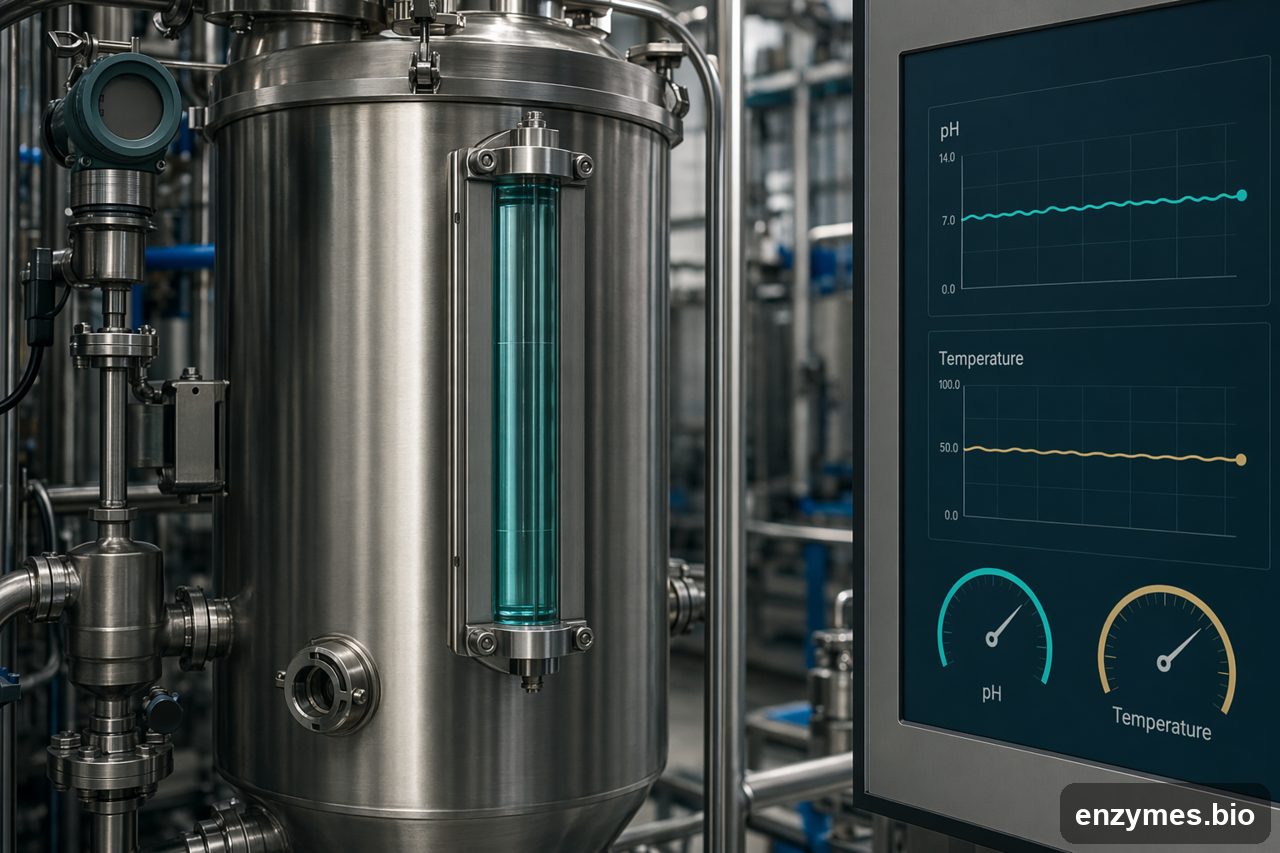
Neutral Protease performs best when the process is designed around balance: substrate dispersion, hydration, pH control, temperature consistency, contact time, and defined enzyme inactivation. Small changes in these variables can materially affect flavor, bitterness, solubility, and yield.
Typical development variables include:
Substrate protein type and pretreatment
Solids level and viscosity
Process pH near the neutral range
Temperature window suitable for controlled enzyme action
Enzyme addition level based on substrate protein and target degree of hydrolysis
Reaction time and sampling schedule
Heat inactivation point
Clarification, concentration, drying, or blending sequence
For lab screening, many teams begin with a low-to-moderate addition level and compare sensory development over several time points. The preferred endpoint is usually set by sensory balance, soluble fraction, bitterness threshold, and downstream processing behavior rather than hydrolysis alone.
Starting formulation guidance
Exact use level depends on substrate quality, protein accessibility, process time, solids content, and the required flavor direction. For initial screening, Aequion recommends designing a small matrix rather than relying on a single trial.
A practical bench approach:
Prepare the protein substrate with consistent hydration and mixing.
Adjust the process to a near-neutral pH target suitable for the substrate.
Run three enzyme addition levels, for example low, medium, and high relative to substrate protein.
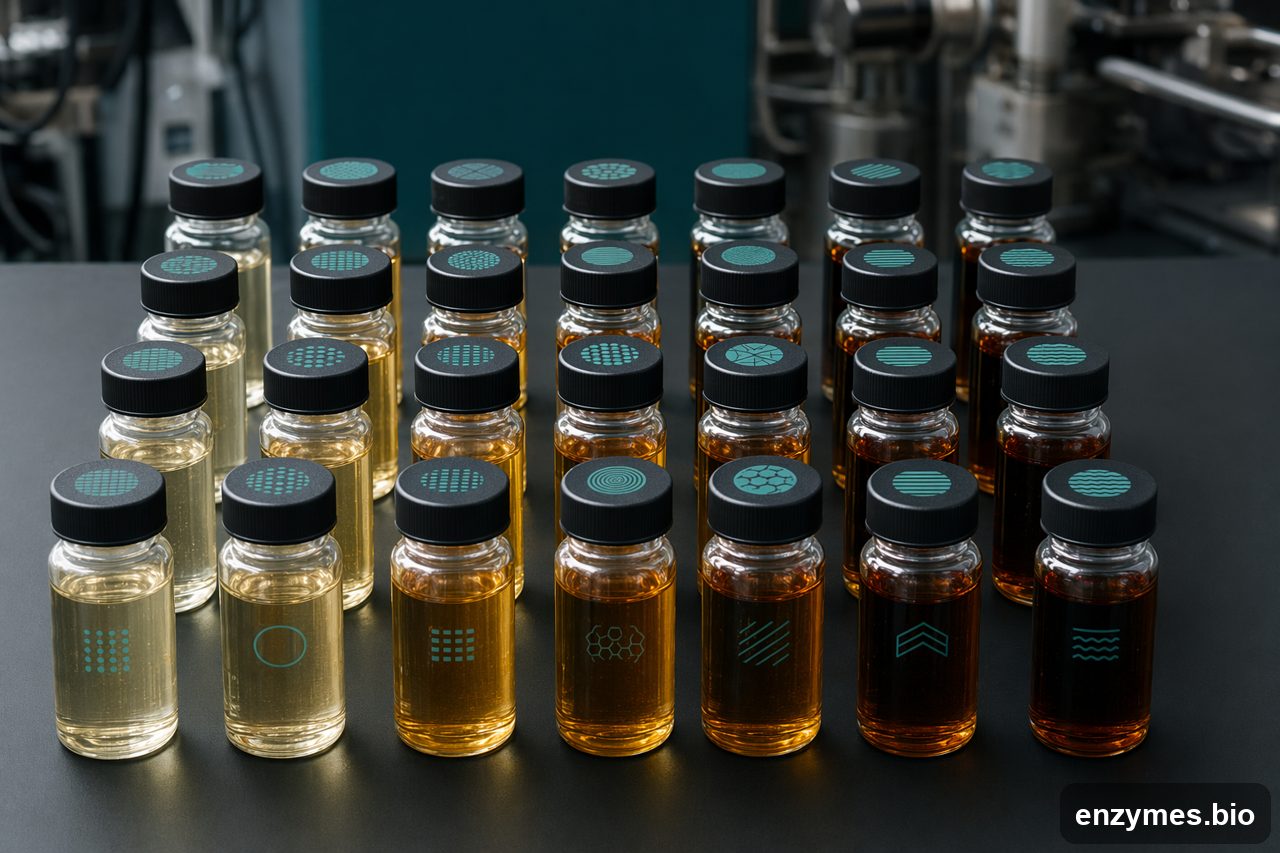
Pull time-point samples to evaluate aroma, taste, bitterness, body, and solubility.
Stop the reaction by heat inactivation when the desired profile is reached.
Compare the hydrolysate in the final seasoning system, not only as a standalone liquid.
For many savory applications, a starting screen in the approximate range of 0.05–0.30% enzyme preparation relative to substrate protein can be useful. This is a development starting point, not a universal prescription. High-reactivity substrates or long hold times may require lower addition; dense, less accessible proteins may require more aggressive pretreatment or longer contact.
Sensory control: depth without harshness
The value of Neutral Protease is not only yield. It is control.
In savory flavor development, the target fraction often sits between intact protein and fully aggressive hydrolysis. Properly managed, Neutral Protease can help deliver:
More rounded broth and stock character
Improved mouthfeel and savory persistence
Better integration into dry seasoning systems
Reduced raw protein notes
Cleaner peptide development with less harshness
A more consistent base for reaction flavor processing
Bitterness management should be part of the development protocol. If bitterness appears early, review enzyme dose, contact time, substrate pretreatment, temperature, and whether a complementary enzyme strategy is needed.
Processing considerations
Substrate preparation
Protein accessibility determines how efficiently Neutral Protease can work. Milling, cooking, denaturation, hydration, or mechanical dispersion may improve access, depending on the raw material. Poor dispersion can lead to uneven hydrolysis and inconsistent sensory results.
pH and temperature stability
Neutral Protease is selected for processes that operate around neutral pH conditions. Maintaining a stable pH and temperature profile improves repeatability and reduces batch-to-batch variation. Avoid uncontrolled drift during long hydrolysis steps, especially with mixed substrates or fermentation-derived materials.
Endpoint control
Hydrolysis should be stopped when the sensory and functional target is reached. Heat inactivation is commonly used before downstream concentration, drying, or blending. Confirm that the inactivation step is compatible with the flavor system and does not create unwanted cooked or sulfur notes.
Downstream compatibility
Neutral Protease-derived hydrolysates may be used in liquid bases, pastes, spray-dried powders, reaction flavor intermediates, or dry seasoning blends. Evaluate salt level, reducing sugar addition, fat phase, carrier selection, and drying conditions as part of the total formulation.
Quality and supply expectations
Aequion Neutral Protease is supplied for industrial processing teams that require consistent handling, technical documentation, and batch-to-batch reliability. Available documentation can support qualification, incoming inspection, formulation trials, and internal quality review.
Procurement and technical teams can request:
Product specification sheet
Safety documentation
Allergen and dietary status information where applicable
Country-of-origin and manufacturing information where available
Recommended storage and handling guidance
Sample availability for application screening
Batch documentation for qualified supply programs
What to evaluate in your trial
Before moving from bench to pilot scale, confirm the following:
Does the hydrolysate deliver the intended savory direction in the final seasoning?
Is bitterness acceptable at the selected endpoint?
Does the process fit existing temperature, pH, and hold-time limits?
Is enzyme inactivation complete enough for downstream stability?
Does the liquid or powder form integrate cleanly into the final product?
Are viscosity, filtration, drying, or concentration steps affected?
Is the result repeatable across at least two substrate lots?
Request pricing or a technical sample
Use the form below to request pricing, availability, documentation, or a trial quantity for savory flavor development. Include your substrate type, process pH, temperature target, solids level, and desired flavor direction so the response can be technically useful.