Application
Neutral Protease for Protein Hydrolysates
Controlled neutral protease for soluble protein hydrolysates, peptide-rich ingredients, and functional fractions from animal, marine, dairy, and plant proteins.
Application
Controlled neutral protease for soluble protein hydrolysates, peptide-rich ingredients, and functional fractions from animal, marine, dairy, and plant proteins.
Neutral Protease, also known as Neutral Proteinase, is used to convert intact proteins into controlled peptide fractions without pushing the process into harsh acidic or alkaline conditions. For hydrolysate producers, that neutral operating window can simplify pH management, protect sensitive substrates, and support cleaner flavor, solubility, and downstream handling.
Aequion supplies Neutral Protease for B2B processors formulating animal, marine, dairy, and plant protein hydrolysates where repeatable degree of hydrolysis, batch-to-batch consistency, and controlled peptide profile matter.
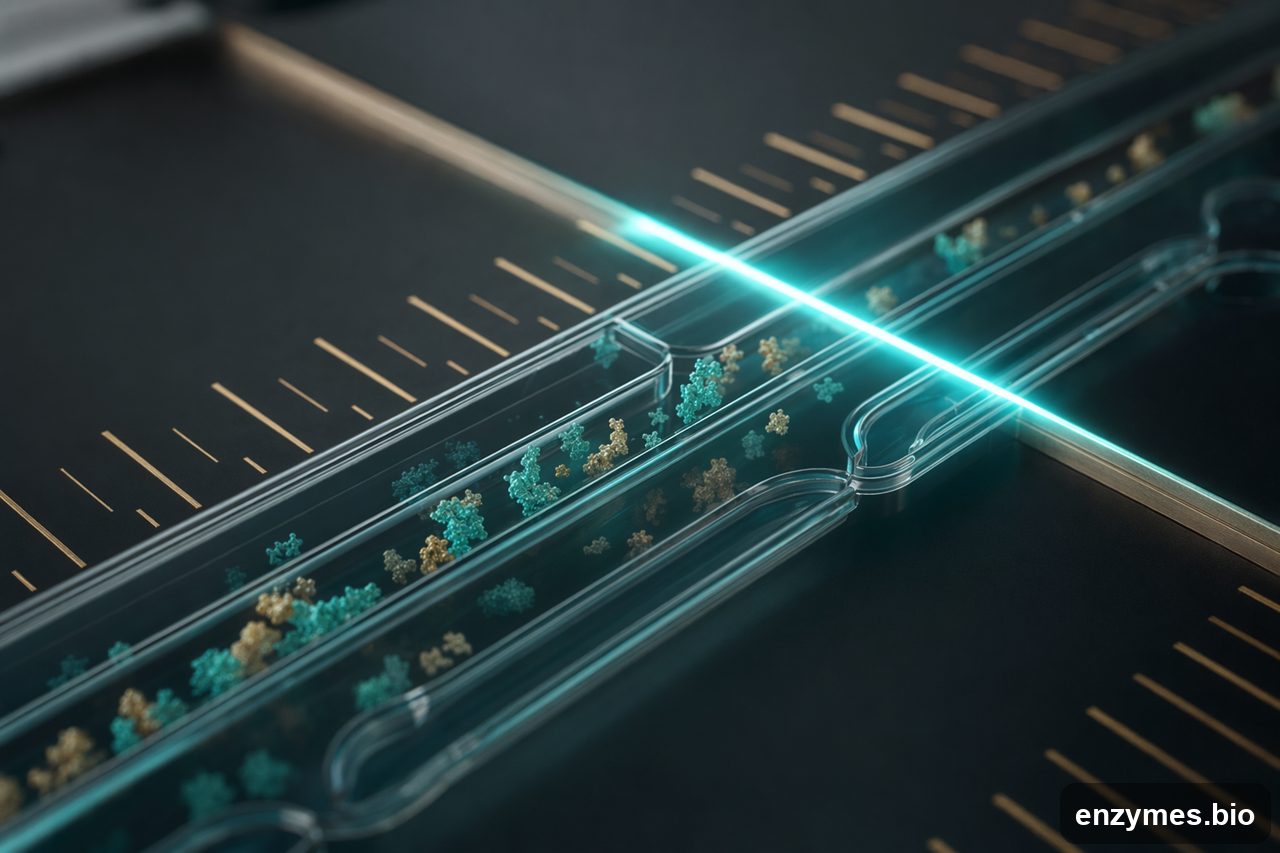
Neutral Protease is selected when the goal is selective protein breakdown at near-neutral pH, especially where substrate quality, flavor control, and downstream compatibility are priorities.
Typical use cases include:
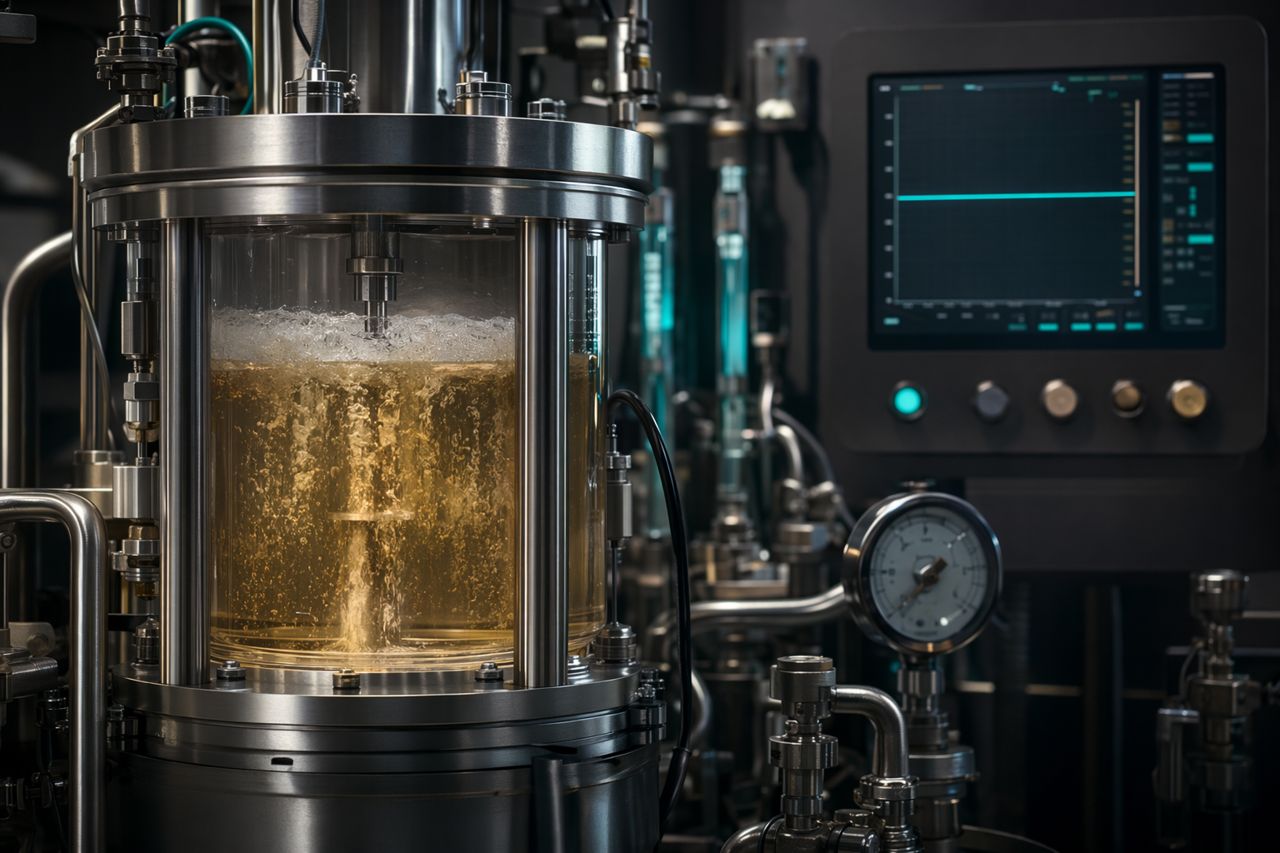
Neutral Protease supports predictable hydrolysis under moderate conditions, helping processors move from intact protein to soluble peptides without excessive over-digestion. This is useful when a specification requires a defined solubility range, sensory target, or functional peptide distribution.
Operating near neutral pH can reduce the need for aggressive acid or alkali correction, depending on the substrate. That can lower salt formation, simplify neutralization, and make the enzyme step easier to integrate with existing extraction, concentration, and drying operations.
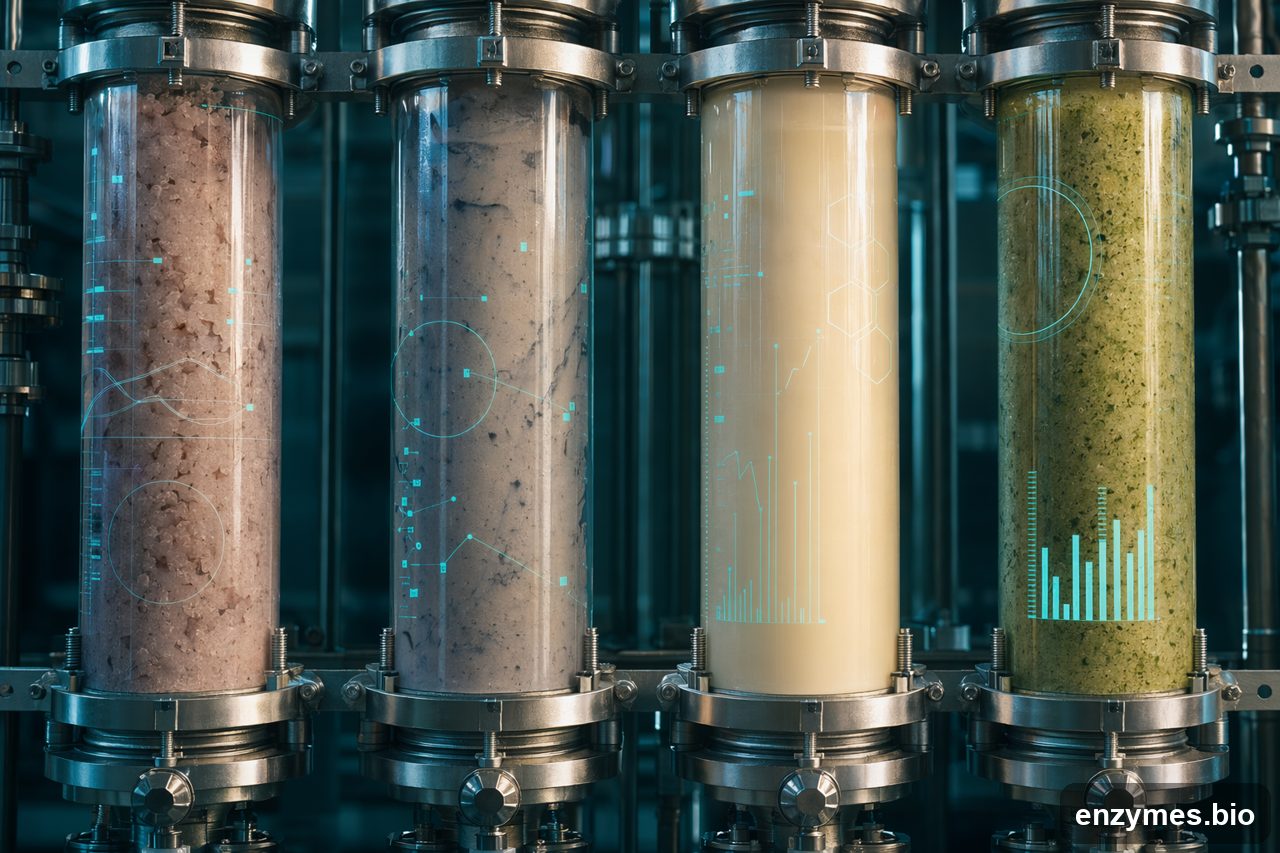
As protein chains are cleaved into shorter peptide segments, slurry viscosity often decreases and soluble nitrogen increases. For high-solids systems, this can improve pumping, filtration, evaporation, and spray-drying behavior.
Neutral Protease is commonly used across animal, marine, dairy, and plant proteins. Substrate pretreatment, particle size, heat history, and protein accessibility will strongly influence performance, so trial design should reflect the actual production matrix rather than a purified laboratory protein.
Actual conditions should be validated against the target substrate and product specification, but Neutral Protease is generally used in moderate process windows.
| Parameter | Practical guidance |
|---|---|
| pH | Typically near neutral, often around pH 6.0–8.0 |
| Temperature | Commonly evaluated in the mid-temperature range, often around 45–55 °C |
| Substrate solids | Optimize for mixing, heat transfer, and downstream concentration requirements |
| Enzyme addition | Start with small bench trials before scaling; typical screening may evaluate approximately 0.1–0.8% enzyme preparation on protein solids |
| Reaction time | Often developed around a target degree of hydrolysis, solubility, viscosity, or peptide profile |
| Termination | Heat inactivation is commonly used once the desired hydrolysis endpoint is reached |
Aequion can help procurement, R&D, and plant teams define a screening plan based on substrate, solids level, target peptide range, and finished ingredient format.
Neutral Protease can help reduce viscosity, improve soluble peptide yield, and convert lower-value protein streams into more functional hydrolysates. For collagen-heavy materials, it may be used alone or as part of a staged enzyme strategy depending on the desired peptide profile.
Fish and shellfish substrates can be sensitive to bitterness, oxidation, and heat history. Neutral processing conditions can support controlled hydrolysis while allowing manufacturers to manage flavor development, lipid separation, and clarification steps.
For whey, casein, or blended dairy proteins, Neutral Protease may be used to improve solubility, reduce viscosity, and create peptide-rich nutritional fractions. Endpoint control is important because over-hydrolysis can shift flavor and functionality.
Plant matrices often contain structural carbohydrates, antinutritional factors, and heat-denatured protein regions that affect enzyme access. Neutral Protease can support solubility improvement and peptide generation in soy, pea, wheat, rice, and mixed plant protein systems, particularly when paired with appropriate hydration and thermal pretreatment.
For industrial hydrolysate production, enzyme selection is not only about catalytic performance. Buyers also need predictable supply, documentation, and lot consistency.
Aequion can support qualification discussions around:
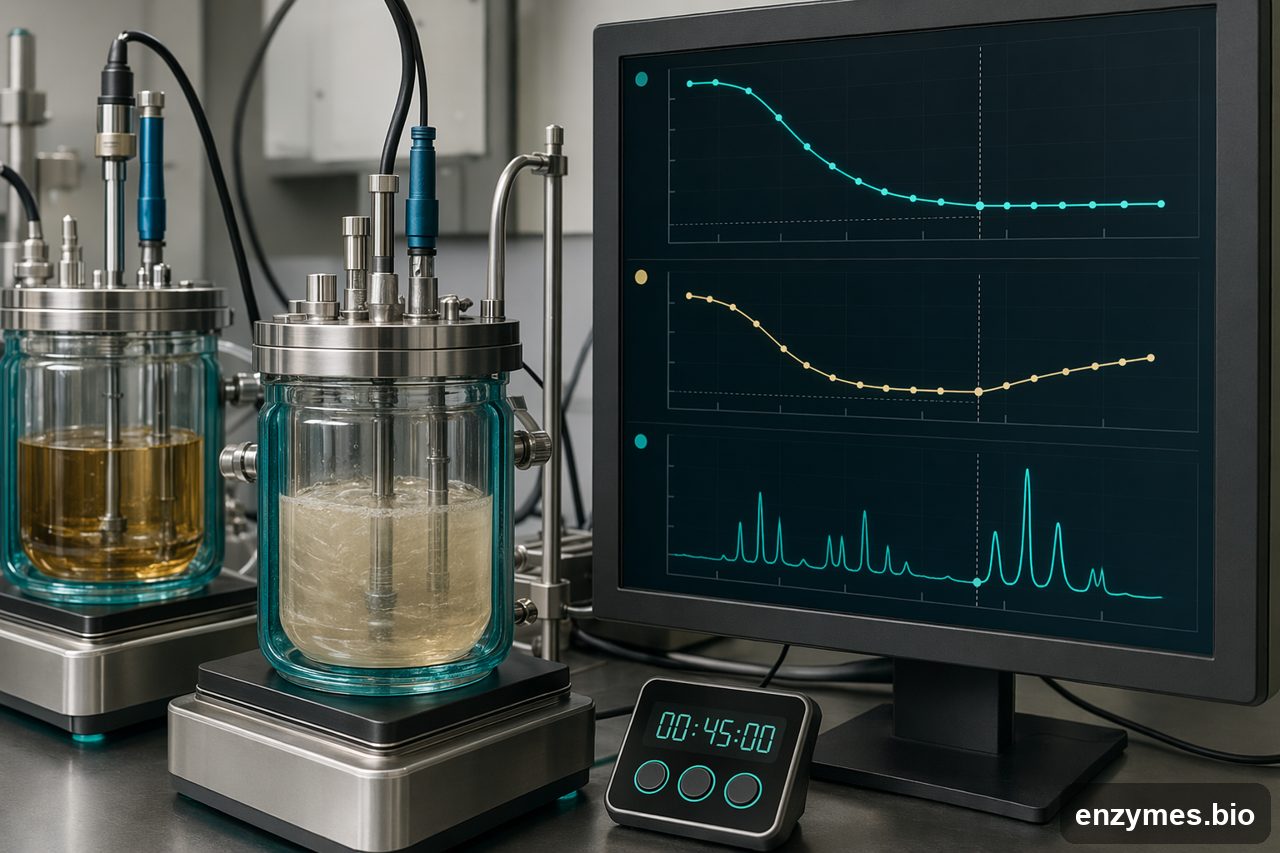
A good hydrolysis program should define the endpoint before the first trial. Useful development targets include soluble solids, soluble nitrogen, viscosity, peptide profile, sensory character, filtration rate, or drying behavior.
Recommended development sequence:
Aequion is built for technical B2B enzyme purchasing: clear application fit, disciplined documentation, and practical support for qualification and scale-up. We focus on the enzyme, the process window, and the buyer decision — not inflated claims.
Use Neutral Protease when you need controlled hydrolysis at near-neutral pH, cleaner peptide generation, and a process that can be engineered around measurable endpoints.
Tell us your substrate, annual volume estimate, target application, and preferred packaging format. Aequion will respond with availability, documentation options, and pricing guidance for your evaluation.
Tell us your application and target volume — our team replies with pricing, lead time, and the current specification sheet.