Neutral Protease for soy, pea, wheat, and other plant proteins: improve solubility, manage viscosity, and tune functional properties for beverages, meat alternatives, and nutrition applications.
Industrial-grade supplyMulti-application formulationBatch documentation on requestGlobal logistics, 180+ countries
01
Technical Overview
Neutral Protease for Soy, Pea, Wheat, and Other Plant Proteins
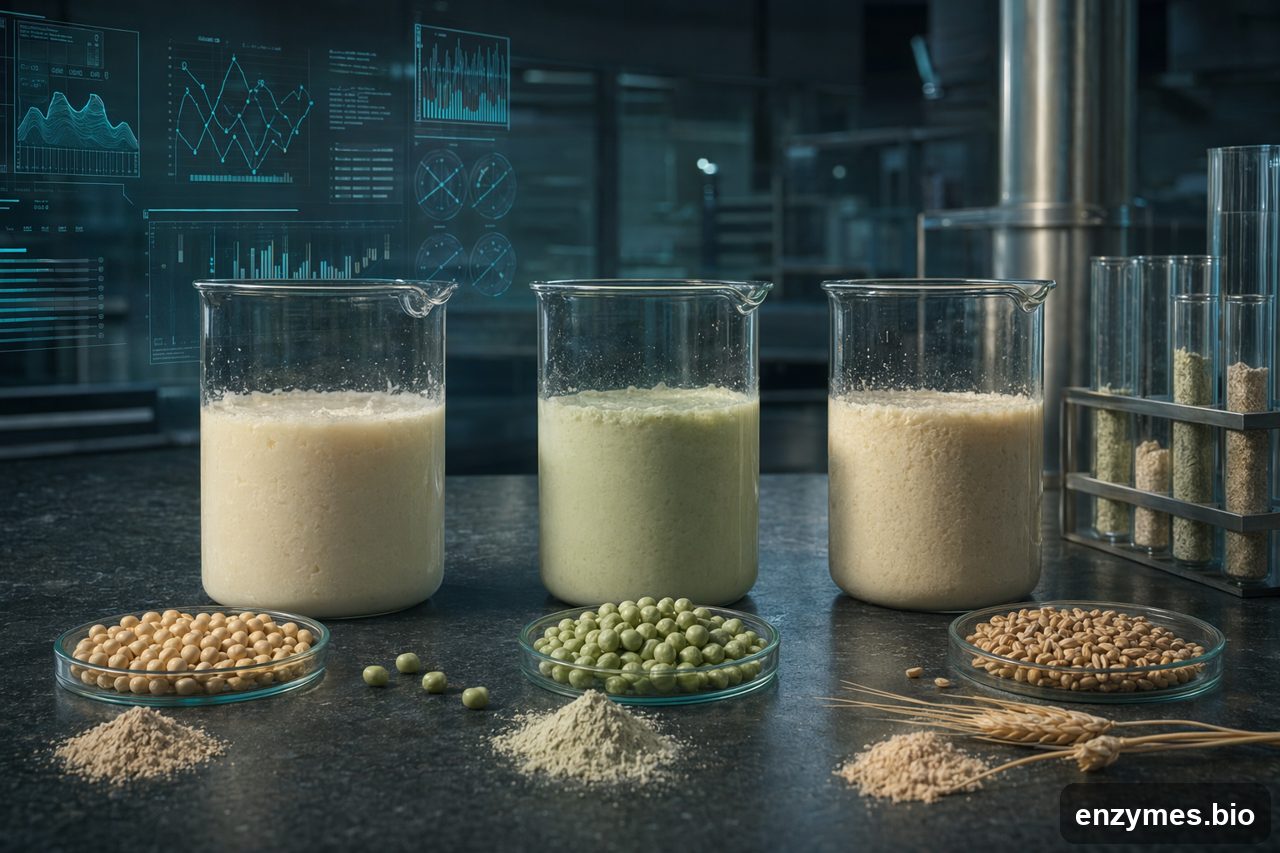
Plant proteins are valuable, but they are rarely process-ready. Soy, pea, wheat, faba, rice, and mixed botanical proteins can carry high viscosity, limited solubility, sedimentation risk, beany or cereal notes, and inconsistent behavior during heat treatment, extrusion, blending, or spray drying.
Aequion Neutral Protease is used to partially hydrolyze plant proteins under near-neutral processing conditions. The goal is controlled modification: smaller peptide profiles, improved dispersion, lower process viscosity, and better functional performance without pushing the system into excessive breakdown or harsh pH adjustment.
Where Neutral Protease fits in plant protein processing
Neutral Protease is selected when formulators need targeted protein modification while keeping the process close to the natural pH range of many plant protein slurries and finished food systems.
Common use cases include:
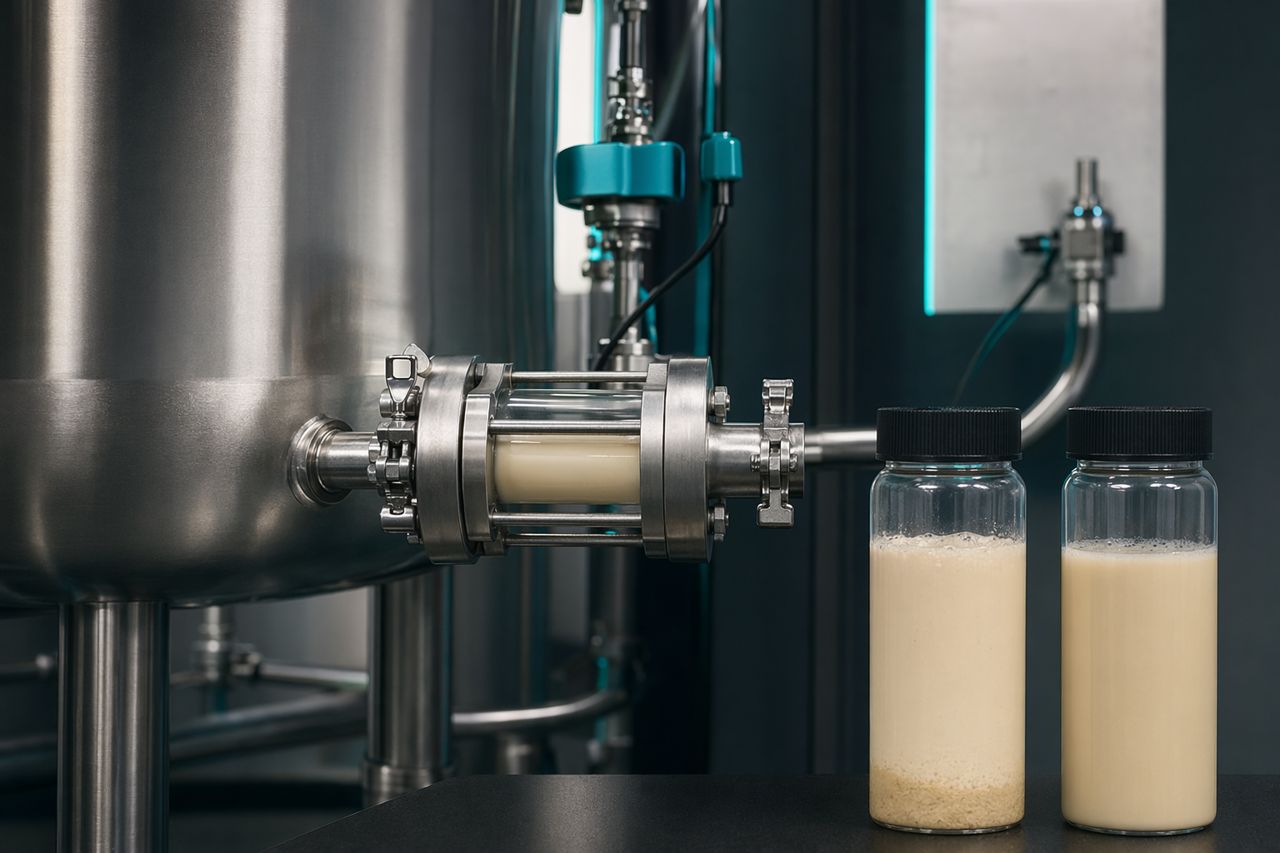
Plant-based beverages: improve solubility, reduce sedimentation, and support smoother mouthfeel.
Meat alternatives: adjust hydration, binding, and textural development in soy, pea, wheat, and mixed-protein bases.
Nutritional powders: improve dispersibility and reduce viscosity before concentration or drying.
Protein ingredients: create partially hydrolyzed protein fractions for blending, functionality, or downstream flavor work.
Fermented or cultured plant systems: prepare proteins for more predictable texture and fermentation performance.
Application value by processing challenge
Improve solubility and dispersion
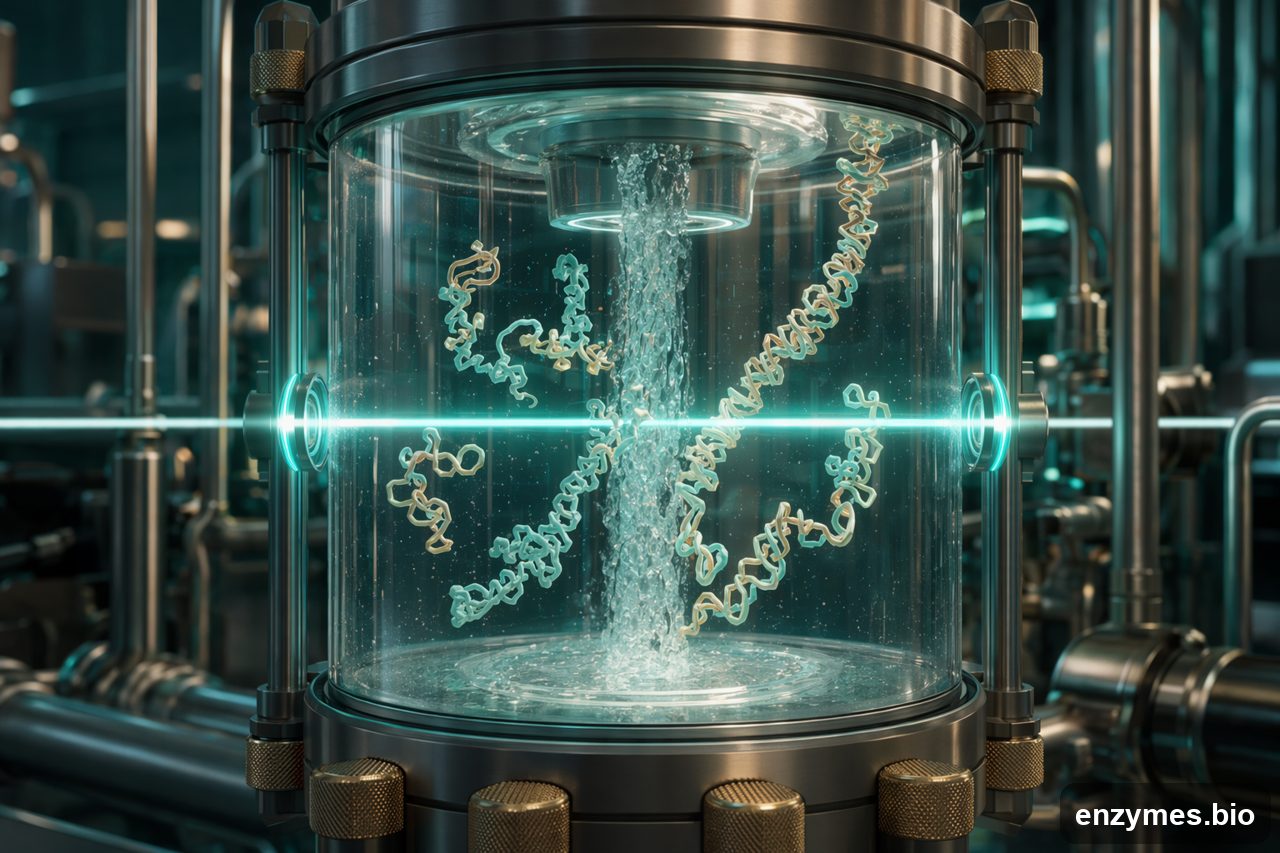
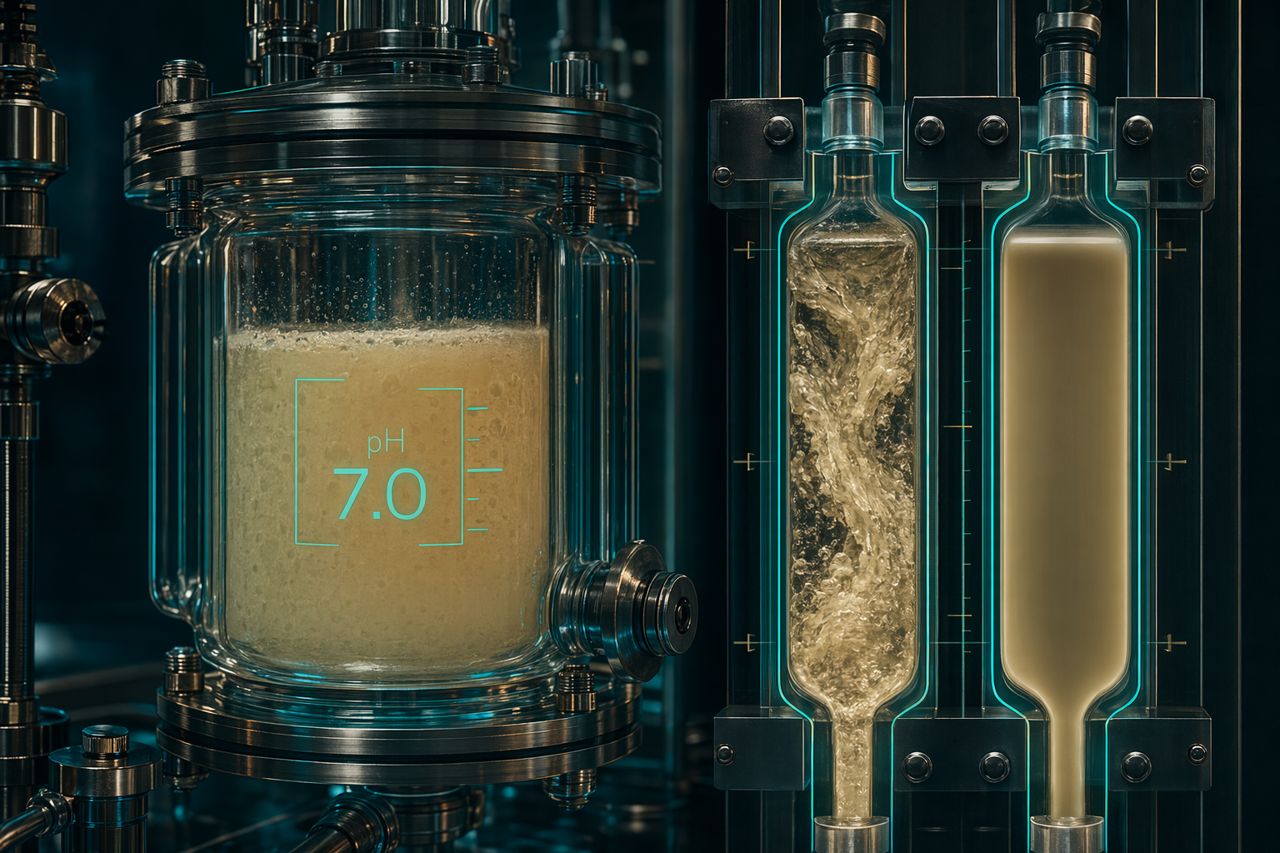
Limited solubility is one of the main barriers in plant protein beverages and nutrition systems. Controlled neutral proteolysis can reduce aggregate size and expose more hydrophilic peptide regions, helping the protein disperse more evenly in water-based formulations.
For beverage teams, this can support:
Lower sediment formation during storage
Faster powder wet-out during mixing
More uniform hydration before homogenization
Better compatibility with stabilizers, minerals, flavors, and sweeteners
Reduce viscosity before concentration or drying
High-solids plant protein slurries can become difficult to pump, heat, evaporate, or atomize. Neutral Protease can lower viscosity by reducing protein network formation and partial aggregation, giving process engineers more flexibility at practical solids levels.
Potential benefits include:
More stable pumping and heat transfer
Lower mixing load
Improved spray-dryer feed handling
Reduced fouling risk in heat-intensive steps
Better batch-to-batch process control
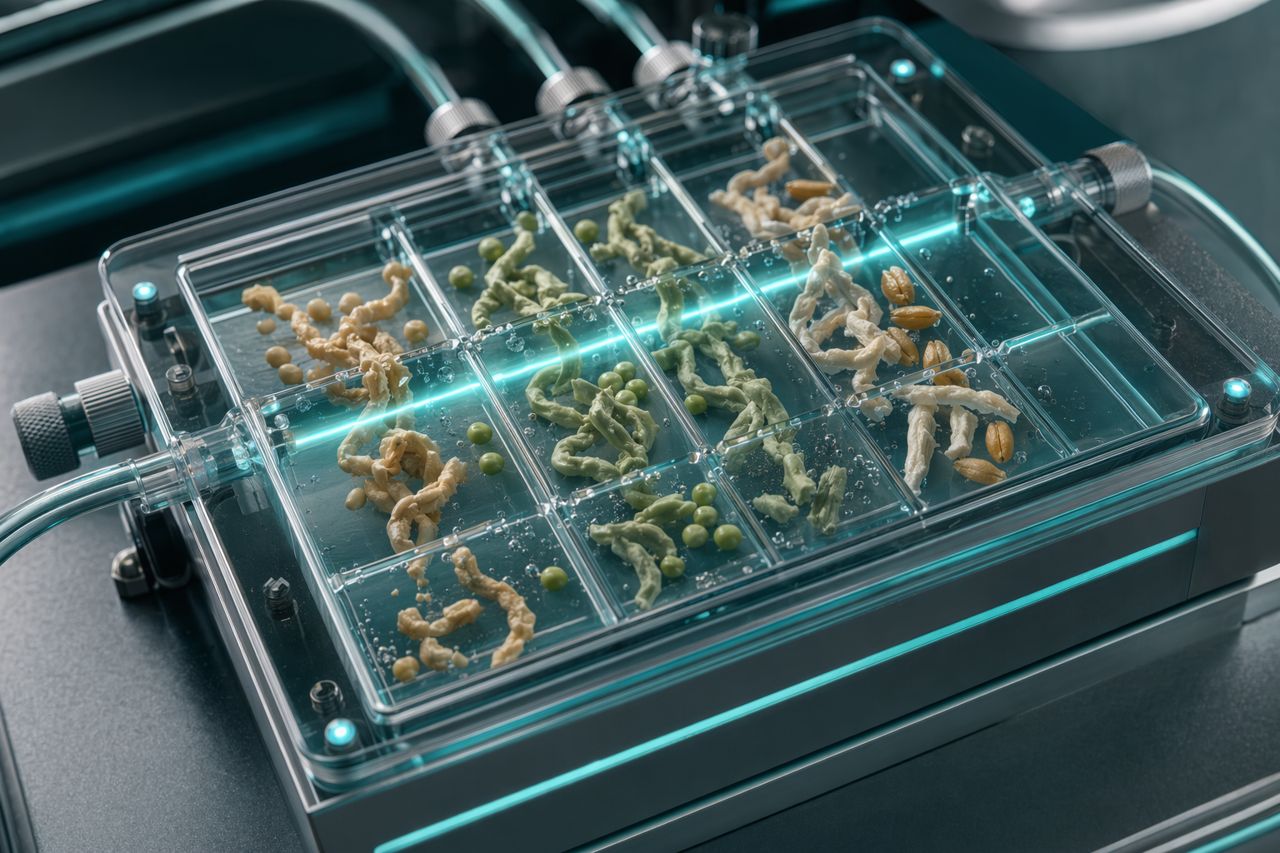
Tune texture and hydration in meat alternatives
In meat alternatives, complete solubilization is not always the target. The objective may be controlled hydration, improved binding, and more predictable protein behavior during mixing, forming, or high-moisture extrusion.
Neutral Protease can help adjust:
Water uptake and retention
Dough or paste viscosity
Protein network softness
Bite, chew, and juiciness perception
Integration with fibers, starches, fats, and hydrocolloids
Support flavor and bitterness control strategies
Protein hydrolysis can improve processing performance, but over-hydrolysis may generate bitter peptide notes. Aequion recommends treating Neutral Protease as a precision variable, not a maximum-dose ingredient.
Best practice is to screen enzyme addition, time, temperature, and stopping point together, then evaluate both functional performance and sensory impact. For some proteins, a short controlled hydrolysis delivers the desired viscosity or solubility shift with lower bitterness risk than extended treatment.
Process conditions and control points
Neutral Protease is most often used in aqueous plant protein slurries under near-neutral conditions. Exact conditions depend on protein source, solids content, upstream extraction method, heat history, and the required endpoint.
Typical screening considerations:
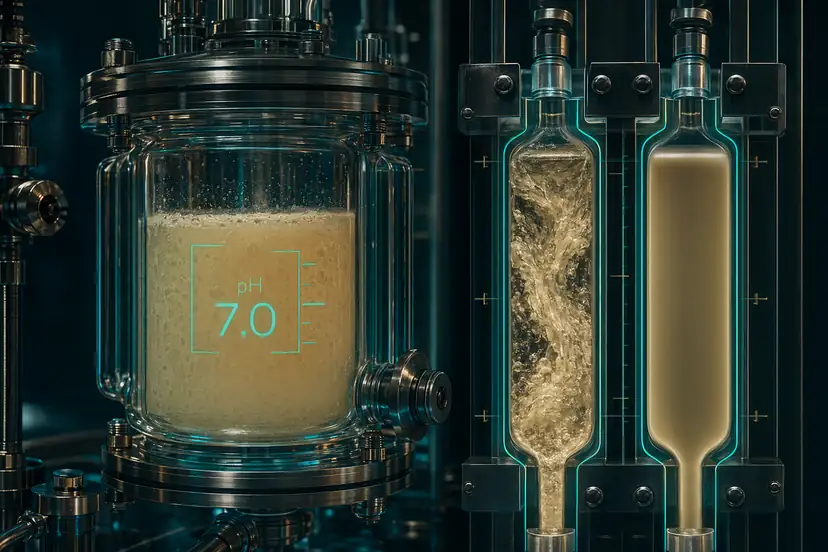
pH window: near-neutral systems are generally preferred for this enzyme class.
Temperature: moderate process temperatures are commonly used to balance reaction rate and protein stability.
Solids level: higher solids may require stronger agitation and tighter viscosity monitoring.
Contact time: shorter treatments are useful for light functional modification; longer treatments can produce deeper hydrolysis and more sensory risk.
Stopping method: thermal inactivation is commonly used when the desired endpoint is reached.
A practical lab screen usually begins with a small matrix rather than a single condition. As an initial range, formulation teams often evaluate 0.05% to 0.30% as-supplied enzyme product on protein solids, then refine based on substrate, process time, temperature, and target functionality.
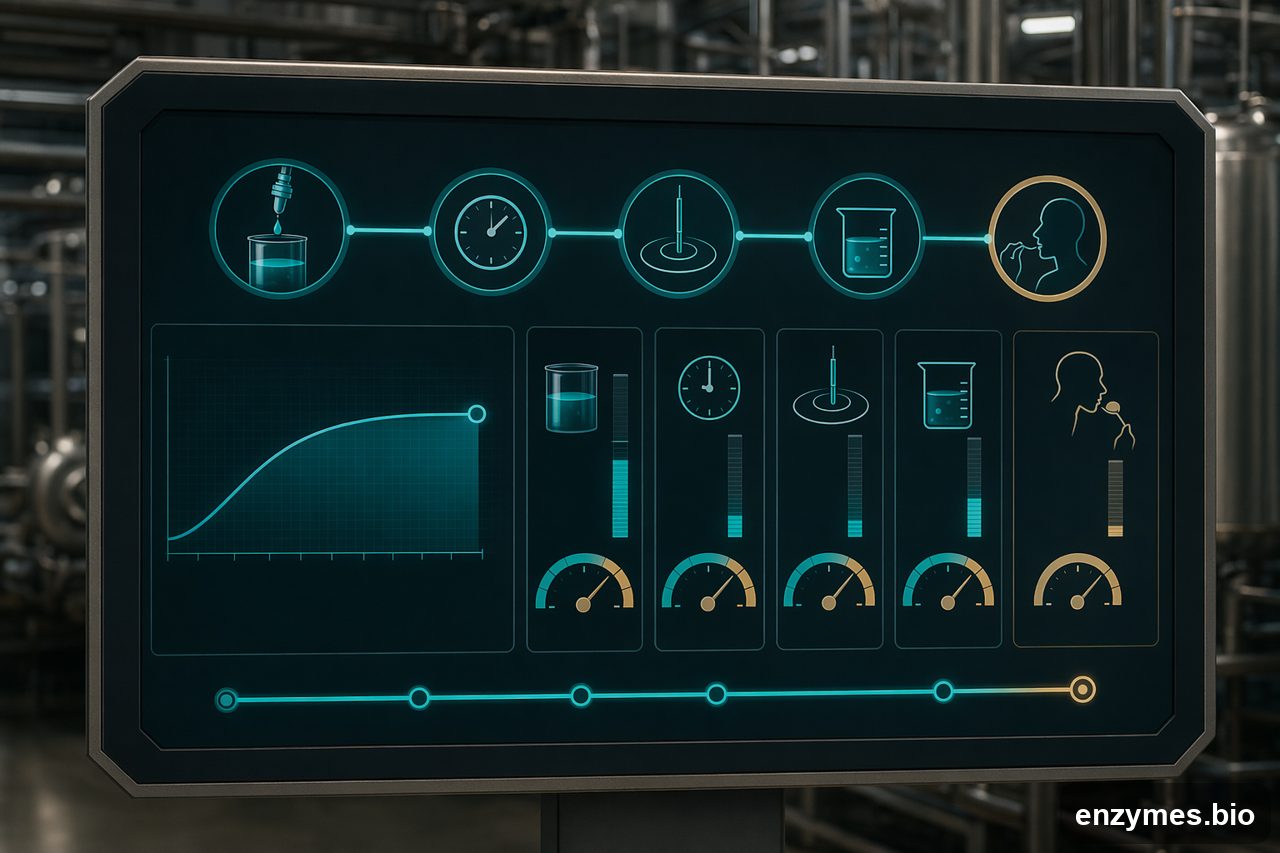
Recommended first-pass trial design:
Prepare a representative protein slurry at intended process solids.
Adjust to the target near-neutral pH range.
Run three enzyme levels across two contact times.
Stop the reaction consistently across all samples.
Compare viscosity, solubility, sedimentation, heat stability, and sensory notes.
Select the lowest effective enzyme input that meets the application target.
For commercial scale-up, keep the protein source, solids loading, mixing energy, heat-up profile, hold time, and inactivation step as close as possible to the validated pilot condition.
Protein-source considerations
Soy protein
Soy systems often respond well to controlled hydrolysis for beverage texture, viscosity reduction, and nutritional ingredient dispersibility. Watch for changes in mouthfeel and bitterness as hydrolysis depth increases.
Pea protein
Pea protein can show strong viscosity and sedimentation challenges depending on isolate quality and heat history. Neutral Protease may improve hydration and reduce graininess, but sensory evaluation is important.
Wheat protein and gluten-rich systems
Wheat proteins can require careful control because structure is often part of the desired functionality. Neutral Protease may be used to soften protein networks, improve processability, or adjust texture, but over-treatment can reduce bite and elasticity.
Multi-protein blends
Blends of pea, soy, rice, faba, wheat, or seed proteins can behave differently from single-source systems. Screen the final blend whenever possible because minerals, fibers, emulsifiers, and hydrocolloids can shift enzyme access and processing response.
Formulation compatibility
Neutral Protease is usually evaluated before final flavoring, fortification, or stabilization. This gives teams a clearer view of the protein response and reduces the number of variables during optimization.
Consider the impact of:
Salt and mineral load
Calcium or magnesium fortification
pH-adjusting agents
Heat-stable flavors
Cocoa, coffee, botanical extracts, or polyphenol-rich ingredients
Fibers, gums, starches, and emulsifiers
Oil phase and homogenization sequence
Quality and supply expectations
Aequion supplies Neutral Protease for industrial formulation teams that need consistent processing behavior, documentation, and reliable lot-to-lot performance. Available quality support may include product specification, allergen statement, safety documentation, regulatory status information, and packaging options aligned to production scale.
For procurement and technical teams, Aequion can help define:
Target application and substrate type
Trial quantity and packaging format
Storage and handling requirements
Documentation package
Lead time and supply planning
Scale-up questions for pilot or production runs
Request a quote or get pricing
Share your plant protein source, target application, approximate batch size, and the processing issue you want to solve. Aequion will respond with product availability, pricing, and trial guidance for your use case.
Technical note
Neutral Protease performance depends on the protein substrate and process endpoint. The best commercial result is usually achieved by pairing enzyme screening with formulation testing, not by maximizing hydrolysis. Aequion can support a practical trial plan that keeps processing control, sensory outcome, and procurement requirements aligned.