Application
Neutral Protease for Meat and Fish Protein Processing
Buyer-focused guidance on using Neutral Protease in meat tenderizing, fish protein hydrolysates, trim utilization, and protein-rich side stream conversion.
Application
Buyer-focused guidance on using Neutral Protease in meat tenderizing, fish protein hydrolysates, trim utilization, and protein-rich side stream conversion.
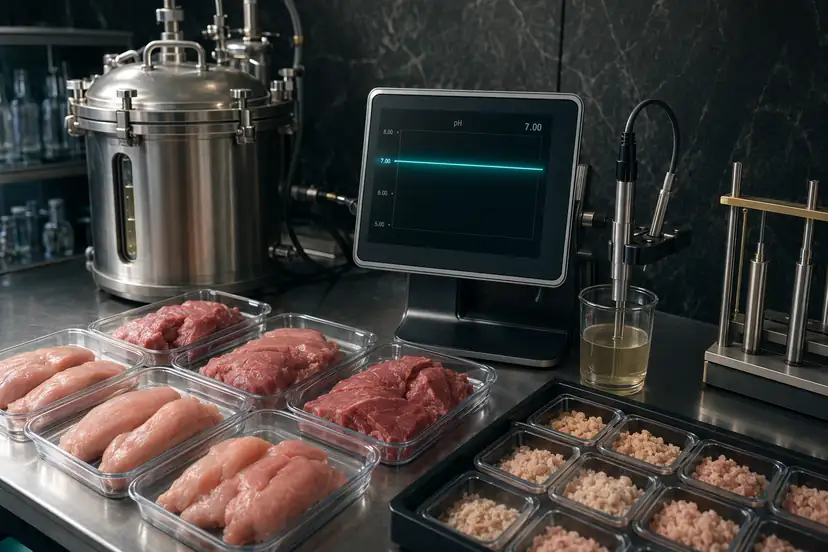
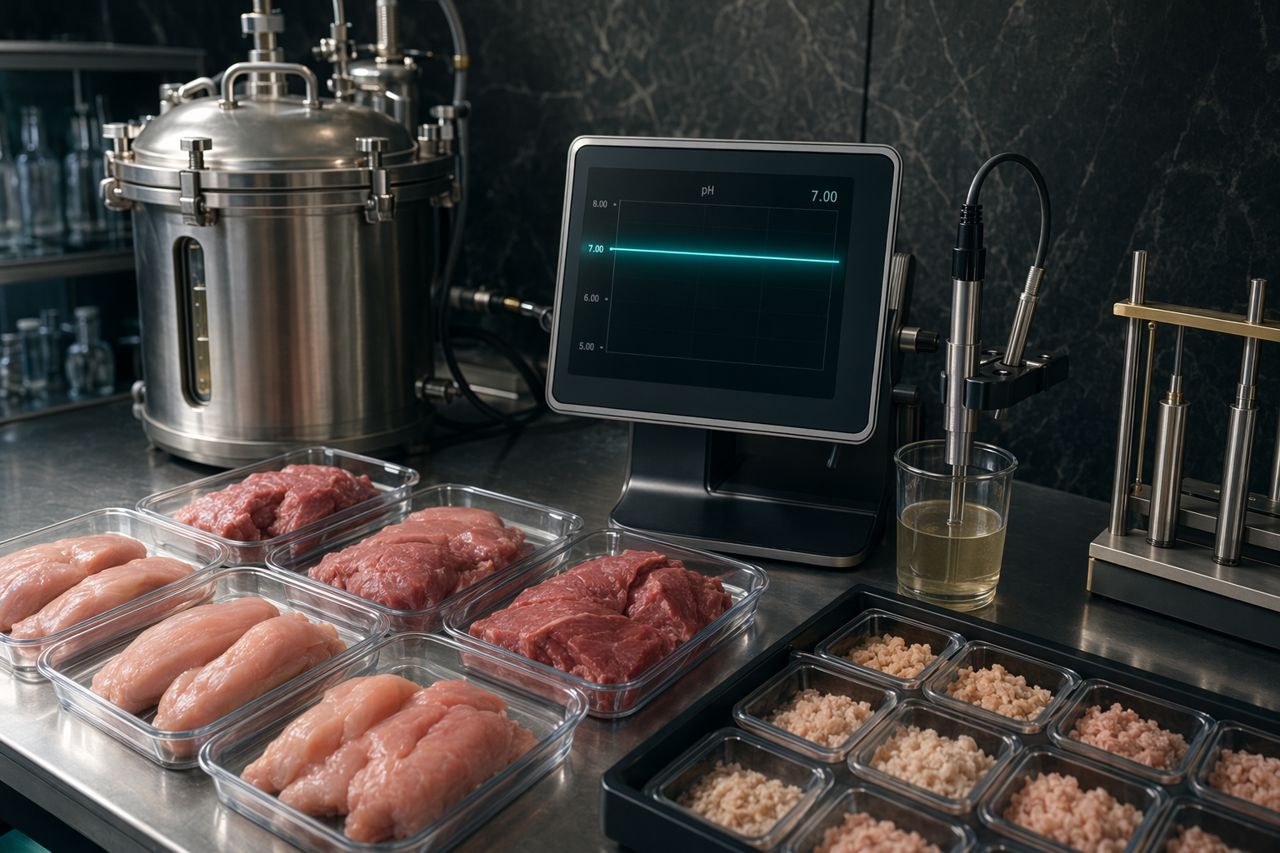
Neutral Protease, also called Neutral Proteinase, is used where processors need controlled protein modification without pushing the system into strongly acidic or alkaline conditions. In meat and fish processing, that matters: texture, flavor, soluble peptide profile, yield, and downstream filtration can all shift quickly when hydrolysis is overdriven.
Aequion supports B2B buyers and formulation teams evaluating neutral protease for tenderizing, fish protein hydrolysates, trim recovery, and higher-value use of protein-rich side streams.
Neutral Protease works best in near-neutral processing conditions, making it practical for protein systems where aggressive pH adjustment can damage quality or add cost. It can help cleave selected protein structures into smaller peptides while preserving process control.
Typical buyer goals include:
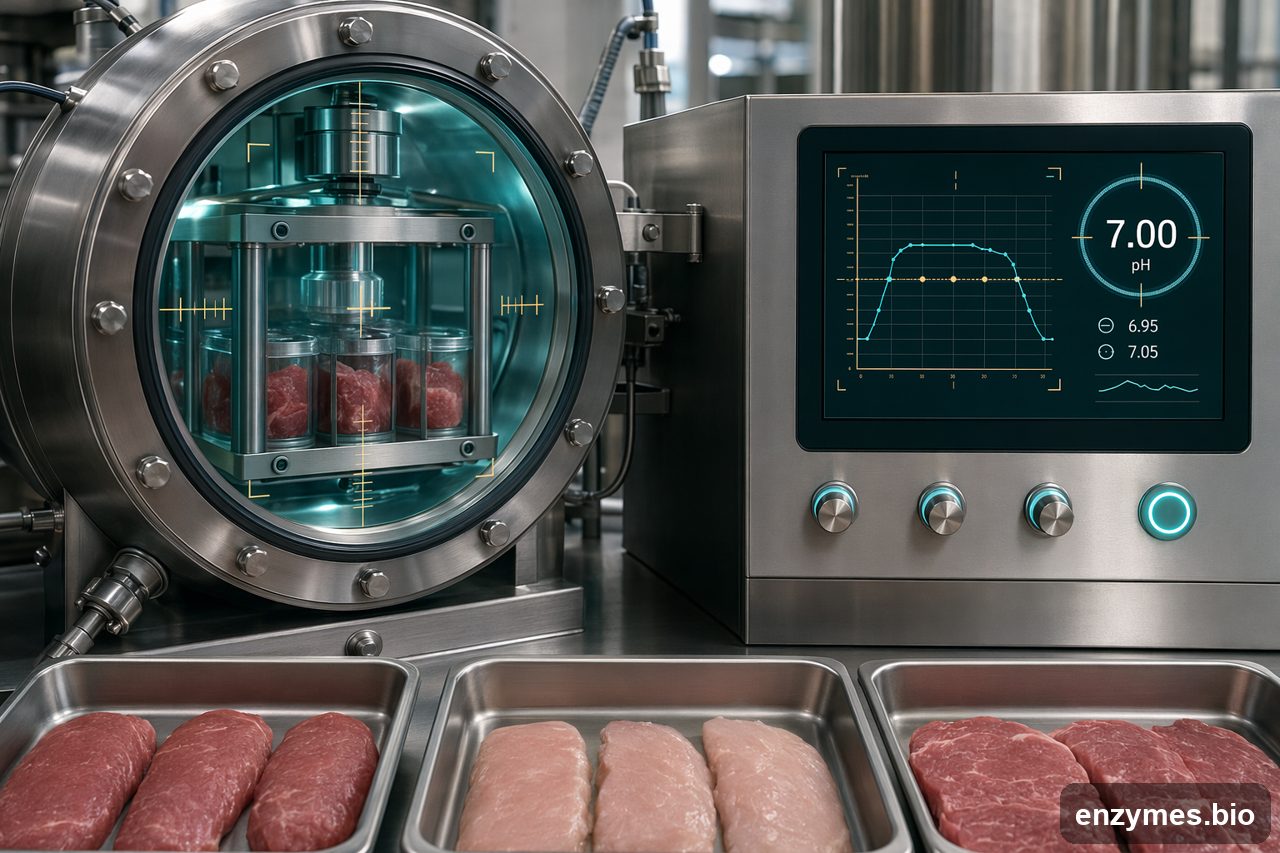
Neutral Protease can be used to soften connective and muscle protein structures when the process window is carefully controlled. It is suited for processors seeking repeatable tenderness improvement in marinated, injected, tumbled, or formed meat systems.
Key control points:
The commercial objective is not maximum hydrolysis. It is controlled texture modification that fits the finished product specification.
Fish protein hydrolysates require tight control because raw material variability is high. Species, freshness, fat level, endogenous enzymes, bone content, and prior handling can all affect hydrolysis behavior.
Neutral Protease can support:
For fish systems, the process should be designed around the target peptide profile, sensory limits, oil separation behavior, and downstream clarification requirements.
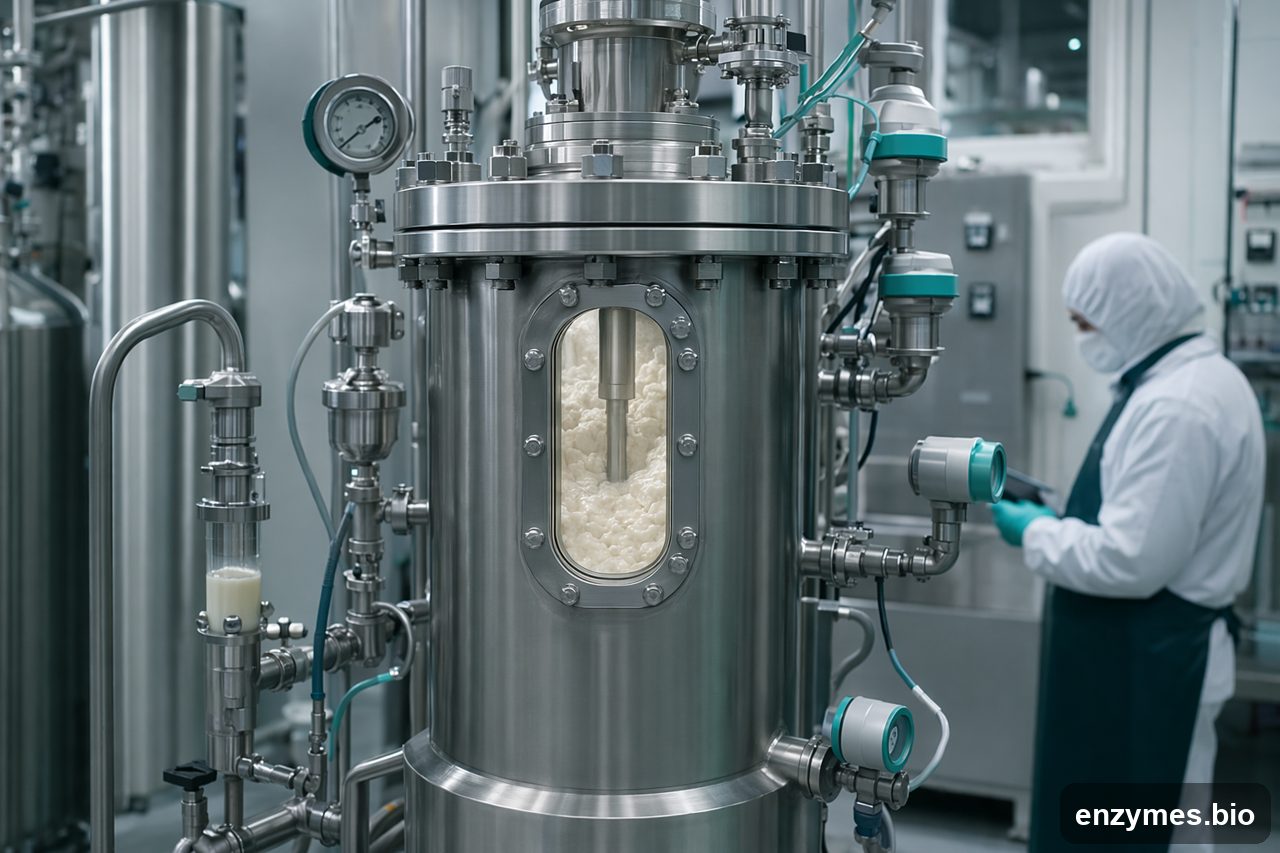
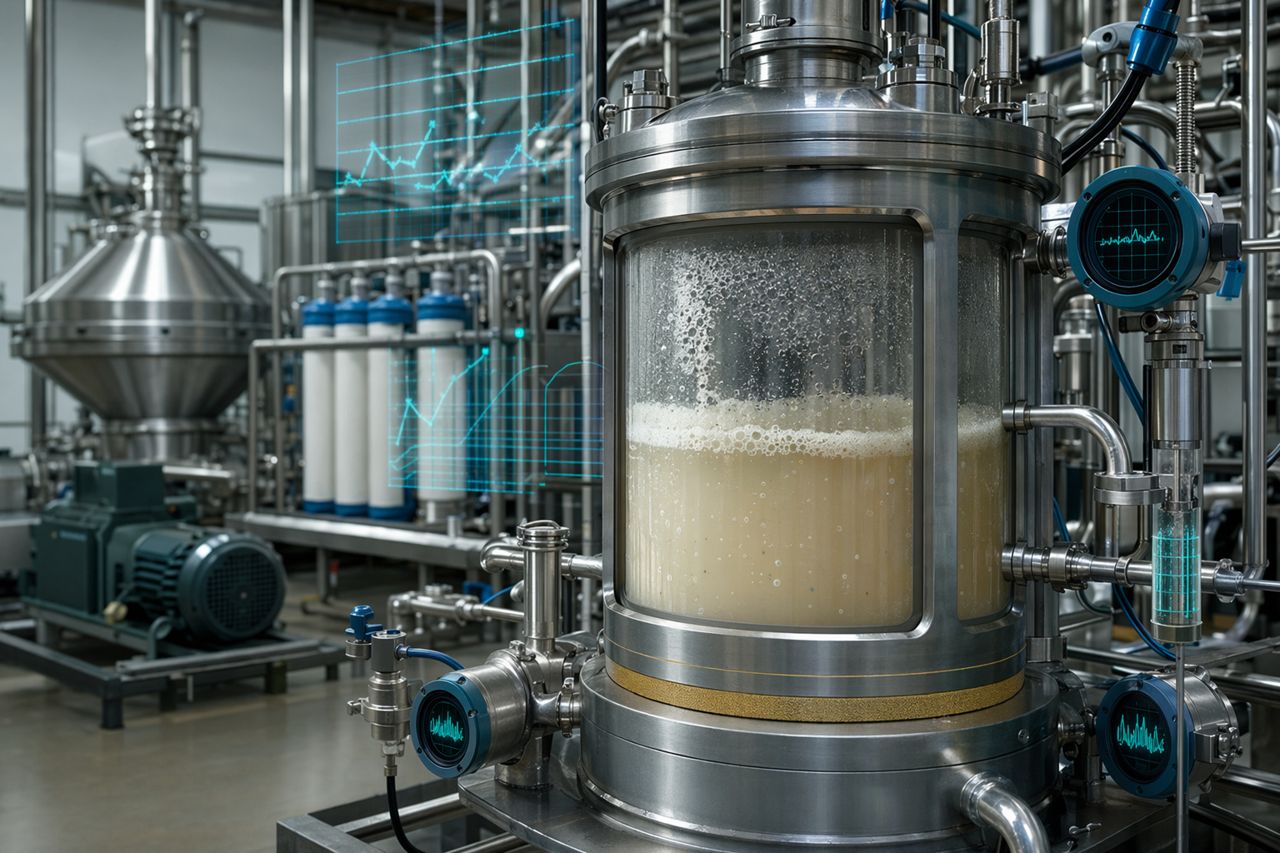
Protein-rich side streams are often underused because they are inconsistent, difficult to pump, or challenging to standardize. Neutral Protease can help convert these materials into more manageable, higher-value streams.
Potential uses include:
The value is created by improving extractability, solubility, and handling while keeping the process predictable enough for commercial production.
Neutral Protease performance depends on substrate, process temperature, pH, contact time, mixing, and inactivation strategy. Aequion recommends validating every commercial use through bench screening, pilot confirmation, and production-scale verification.
| Process variable | Buyer consideration | Practical guidance |
|---|---|---|
| Substrate | Meat trim, fish mince, frames, skin fractions, recovered protein | Characterize protein, fat, ash, salt, and freshness before trials |
| pH | Near-neutral systems | Minimize unnecessary pH swings that may affect flavor, yield, or equipment corrosion |
| Temperature | Drives reaction speed and selectivity | Use the lowest effective temperature that supports throughput and microbial control |
| Time | Controls degree of hydrolysis and texture shift | Start with short, measurable intervals and stop before over-softening or bitterness develops |
| Mixing | Affects enzyme contact and uniformity | Design for full dispersion without damaging finished texture goals |
| Inactivation | Stops the reaction | Confirm the thermal or process kill step under actual product conditions |
| Downstream separation | Filtration, centrifugation, evaporation, drying | Track viscosity, insolubles, fat behavior, and fouling risk |
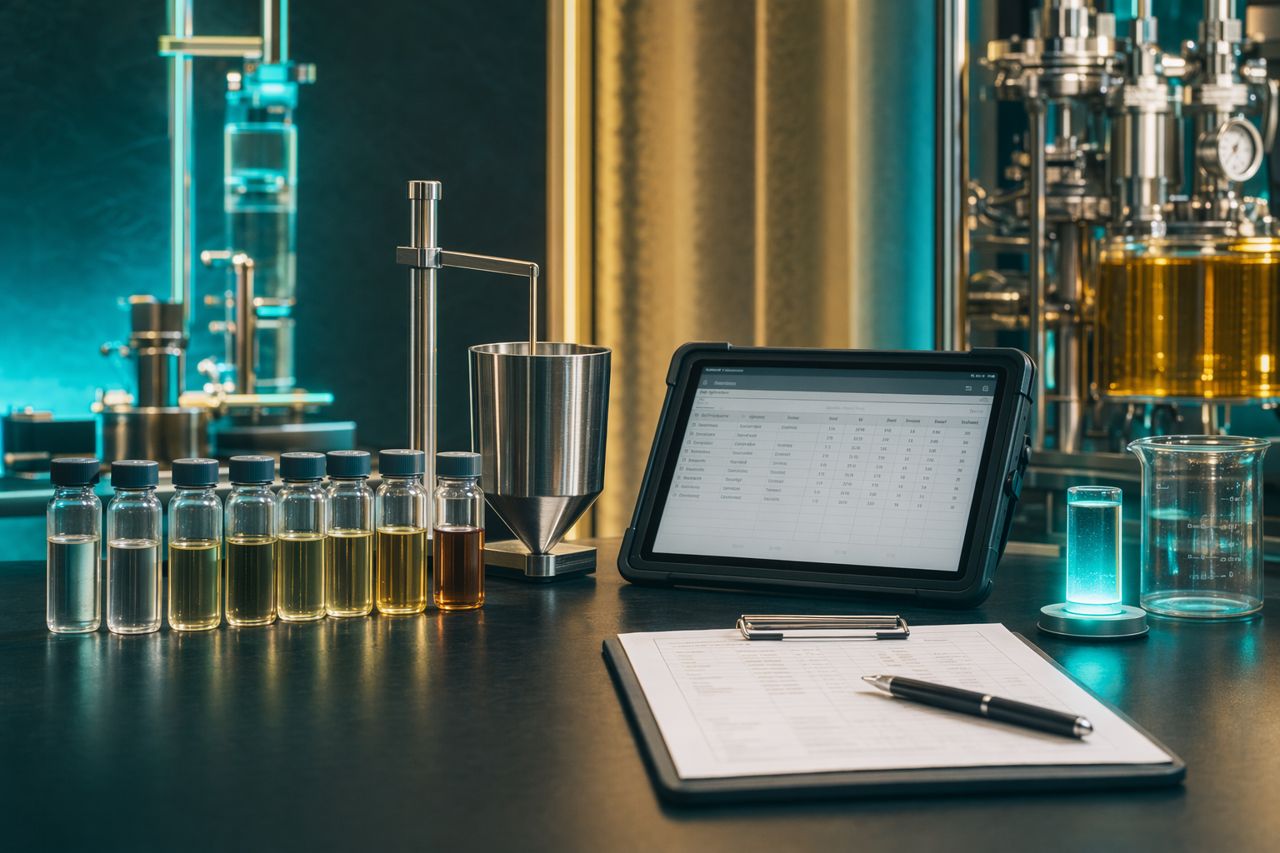
For early screening, processors often test a low, medium, and high addition level based on the supplied enzyme preparation and the protein content of the substrate. A practical starting matrix may include:
A typical bench program may begin around 0.02% to 0.20% enzyme preparation on protein-containing substrate, then narrow the dose according to texture, soluble nitrogen, viscosity, sensory profile, and yield. The final commercial dose should be confirmed against the exact raw material, process time, temperature, and inactivation step.
For meat and fish processing, Aequion recommends measuring outcomes that procurement, production, and quality teams can all evaluate:
These measurements help determine whether the enzyme is improving the process rather than simply increasing hydrolysis.
Neutral Protease should be evaluated in the full formulation environment, not only in water or simplified slurry. Ingredients that may influence performance include salt, phosphates, organic acids, antioxidants, spices, smoke components, emulsifiers, and preservatives.
In protein hydrolysates, oil level and mineral load can also affect mixing, separation, and drying behavior. For tenderized meat systems, the main risk is excessive softening if time, temperature, or enzyme distribution is not controlled.
For industrial buyers, enzyme selection is not only about reaction speed. It is about consistency, documentation, and fit with the customer’s production reality.
Aequion can support discussions around:
Final suitability depends on regulatory status, intended application, local requirements, and the buyer’s finished product claims.
Before moving from bench to plant, confirm:
Use the form below to request pricing, sample discussion, or application guidance for Neutral Protease in meat or fish protein processing. Include your substrate, process temperature range, pH range, target outcome, and annual volume estimate so the response can be specific.
Tell us your application and target volume — our team replies with pricing, lead time, and the current specification sheet.